Hey there! As a supplier of CNC Lathe Chucks, I get asked a lot about safety precautions when using these essential tools. So, I thought I'd sit down and write this blog to share some insights and tips to keep you safe while working with CNC lathe chucks.
First off, let's understand what a CNC lathe chuck is. It's a device used to hold a workpiece in place on a lathe. It's a crucial part of the machining process, as it ensures the workpiece stays stable and in the right position while the lathe does its thing. Now, let's dive into the safety precautions.
1. Read the Manual!
This might sound obvious, but you'd be surprised how many people skip this step. The manual that comes with your CNC lathe chuck contains important information about its operation, maintenance, and safety. It'll tell you things like the recommended clamping force, the types of workpieces it's designed for, and any specific safety features it has. So, take the time to read it thoroughly before you start using the chuck.
2. Inspect the Chuck Regularly
Before you start each job, give the chuck a good once-over. Look for any signs of wear and tear, such as cracks, chips, or loose parts. If you notice anything suspicious, don't use the chuck until it's been inspected and repaired by a qualified technician. A damaged chuck can pose a serious safety risk, as it might not hold the workpiece securely.
3. Use the Right Workpiece
Not all workpieces are suitable for every chuck. Make sure you're using a workpiece that's within the chuck's recommended size and weight limits. Trying to use a workpiece that's too large or heavy can cause the chuck to fail, which can lead to dangerous situations. For example, if you're working with a small chuck, don't try to use it to hold a large, heavy bar. You can find the recommended workpiece specifications in the chuck's manual.


4. Wear the Right Safety Gear
When operating a CNC lathe with a chuck, it's essential to wear the right safety gear. This includes safety glasses to protect your eyes from flying chips and debris, hearing protection if the lathe is noisy, and gloves to protect your hands. Some chucks might also require you to wear additional protective equipment, so make sure you check the manual for specific requirements.
5. Proper Clamping
Properly clamping the workpiece in the chuck is crucial for safety. Make sure the workpiece is centered and securely clamped before you start the lathe. If the workpiece isn't clamped properly, it can come loose during operation, which can cause serious injuries. Use the appropriate clamping force recommended in the manual, and don't over-tighten or under-tighten the chuck.
6. Keep the Work Area Clean
A clean work area is a safe work area. Make sure to keep the area around the lathe and the chuck free of chips, tools, and other debris. This will help prevent accidents and ensure that the chuck operates smoothly. Also, keep the lathe's coolant system clean and functioning properly, as dirty coolant can affect the performance of the chuck.
7. Be Mindful of the Spindle Speed
The spindle speed of the lathe can have a significant impact on the safety of using a chuck. Make sure you're using the right spindle speed for the workpiece and the chuck. Using a speed that's too high can cause the workpiece to wobble or come loose, while using a speed that's too low can lead to inefficient machining. You can find the recommended spindle speeds in the chuck's manual or consult with a machining expert.
8. Emergency Stop Procedures
Know the emergency stop procedures for your lathe. In case of an emergency, you should be able to quickly stop the lathe and prevent any further damage or injury. Make sure the emergency stop button is easily accessible and that you test it regularly to ensure it's working properly.
9. Training and Experience
If you're new to using a CNC lathe chuck, it's a good idea to get some training. There are many resources available, such as online courses, workshops, and on-the-job training. Having the right training and experience will help you use the chuck safely and efficiently.
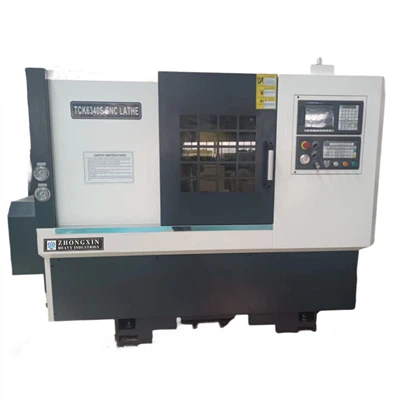
Now, I want to mention some of the products we offer as a CNC Lathe Chucks supplier. We have a wide range of chucks that can be used with different types of lathes, such as the Ck6140 CNC Lathe, the Large Lathe Machine, and the Horizontal Turning Lathe. Our chucks are designed to meet the highest safety and performance standards, and we're always here to provide support and advice.
If you're interested in purchasing a CNC lathe chuck or have any questions about safety precautions or our products, feel free to reach out to us. We're happy to help you make the right choice for your needs and ensure that you can use our chucks safely and effectively.
In conclusion, using a CNC lathe chuck safely requires a combination of proper equipment, training, and safety procedures. By following these tips and using our high-quality chucks, you can minimize the risk of accidents and ensure a smooth and productive machining process.
References
- General machining safety guidelines from industry standards
- Manufacturer's manuals for CNC lathe chucks