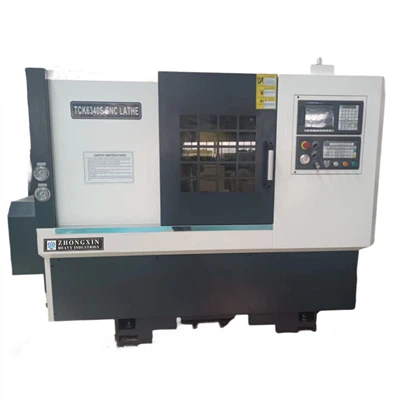
What is the Feed Rate on a Manual Turret Lathe?
As a supplier of Manual Turret Lathes, I've noticed that many customers are curious about the feed rate on these machines. Understanding the feed rate is crucial for achieving optimal results in turning operations. In this blog post, I'll explain what the feed rate is, why it matters, and how to set it on a manual turret lathe.
What is Feed Rate?
The feed rate on a manual turret lathe refers to the speed at which the cutting tool moves along the workpiece during a turning operation. It is typically measured in inches per revolution (ipr) or millimeters per revolution (mm/r). The feed rate determines how much material is removed from the workpiece with each rotation of the spindle.
A higher feed rate means that more material is removed in a shorter amount of time, which can increase productivity. However, a very high feed rate can also lead to poor surface finish, increased tool wear, and even damage to the workpiece or the lathe itself. On the other hand, a lower feed rate results in a smoother surface finish and less tool wear, but it also takes longer to complete the operation.
Why Does Feed Rate Matter?
The feed rate has a significant impact on several aspects of the turning process, including:
- Surface Finish: A lower feed rate generally produces a smoother surface finish because the cutting tool removes material in smaller increments. This is especially important for parts that require a high degree of precision or a fine finish, such as those used in the aerospace or medical industries.
- Tool Life: The feed rate affects the amount of stress and wear on the cutting tool. A high feed rate can cause the tool to overheat and wear out more quickly, while a lower feed rate can extend the tool's lifespan. By choosing the appropriate feed rate, you can reduce tooling costs and improve the overall efficiency of your operations.
- Productivity: Finding the right balance between feed rate and cutting speed is essential for maximizing productivity. A higher feed rate can increase the amount of material removed per unit of time, but only if it is used in conjunction with the appropriate cutting speed and tooling. If the feed rate is too high, the tool may break or the surface finish may be unacceptable, which can actually slow down the production process.
- Chip Formation: The feed rate also influences the way chips are formed during the cutting process. A proper feed rate helps to produce chips that are easy to manage and remove from the cutting area. If the feed rate is too low, the chips may be long and stringy, which can cause problems such as chip clogging and poor surface finish. If the feed rate is too high, the chips may be too short and difficult to control, leading to increased tool wear and potential damage to the workpiece.
How to Set the Feed Rate on a Manual Turret Lathe
Setting the feed rate on a manual turret lathe involves several steps:
- Determine the Material and Tooling: The first step is to identify the material of the workpiece and the type of cutting tool you will be using. Different materials have different cutting characteristics, and the feed rate should be adjusted accordingly. For example, softer materials like aluminum can typically be cut at a higher feed rate than harder materials like steel.
- Refer to the Tool Manufacturer's Recommendations: Most cutting tool manufacturers provide guidelines for recommended feed rates based on the material, tool type, and cutting conditions. These recommendations are a good starting point for setting the feed rate on your lathe.
- Consider the Cutting Speed: The feed rate is closely related to the cutting speed, which is the speed at which the cutting tool moves relative to the workpiece. A higher cutting speed generally allows for a higher feed rate, but only up to a certain point. You need to find the optimal combination of cutting speed and feed rate to achieve the best results.
- Make Test Cuts: Once you have determined the initial feed rate based on the material, tooling, and cutting speed, it's a good idea to make a test cut on a scrap piece of material. This will allow you to evaluate the surface finish, chip formation, and tool wear. Based on the results of the test cut, you can make adjustments to the feed rate as needed.
- Use the Feed Mechanism on the Lathe: Most manual turret lathes are equipped with a feed mechanism that allows you to adjust the feed rate. This mechanism may be a lever, a dial, or a gearbox, depending on the design of the lathe. To set the feed rate, simply adjust the mechanism to the desired value.
Factors Affecting Feed Rate
In addition to the material and tooling, several other factors can affect the feed rate on a manual turret lathe:
- Workpiece Diameter: The diameter of the workpiece can influence the feed rate. Larger diameter workpieces generally require a lower feed rate to ensure a smooth cut and prevent excessive tool wear.
- Depth of Cut: The depth of cut, which is the amount of material removed in each pass of the cutting tool, also affects the feed rate. A deeper cut typically requires a lower feed rate to maintain the integrity of the tool and the workpiece.
- Machine Rigidity: The rigidity of the lathe plays a role in determining the maximum feed rate that can be used. A more rigid machine can handle higher feed rates without causing excessive vibration or deflection, which can lead to poor surface finish and tool breakage.
- Operator Skill: The skill and experience of the operator can also impact the feed rate. An experienced operator is better able to judge the appropriate feed rate based on the cutting conditions and make adjustments as needed.
Conclusion
In conclusion, the feed rate is a critical parameter in the turning process on a manual turret lathe. It affects the surface finish, tool life, productivity, and chip formation. By understanding what the feed rate is, why it matters, and how to set it correctly, you can optimize your turning operations and achieve better results.
If you're in the market for a manual turret lathe, we offer a wide range of Manual Turret Lathe options to suit your needs. Our machines are known for their high quality, precision, and reliability. We also have Manual Lathe For Sale and High Precision Manual Lathe models available.


If you have any questions about feed rates or our manual turret lathes, or if you're interested in discussing a potential purchase, please don't hesitate to contact us. We're here to help you find the right solution for your machining needs.
References
- "Machining Handbook," Industrial Press Inc.
- Various cutting tool manufacturer's technical manuals.