



CNC Lathe Machine
What is Lathe Machine?
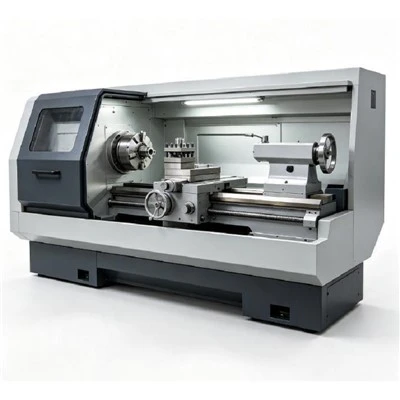
A lathe is a machine tool used to shape wooden or metallic products. It furnishes a wooden or metal piece by rotating it about an axis while a stationary cutting tool keeps removing unwanted material from the workpiece to form the desired shape.
Why Choose Us
Compliant With Standards
Most of our products comply with CE and EAC standards
OEM and ODM Orders
We also accept OEM and ODM orders and look for agents around the world
Excellent Service
Dedicated to producing higher intelligence, higher quality machine tools, and excellent after-sales service
High Quality Service
Make machines simpler, smarter, and smarter, always online, always with you, always serving you.

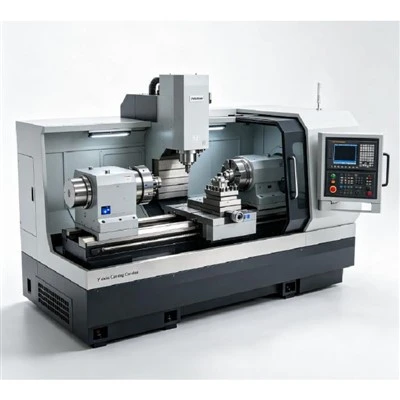
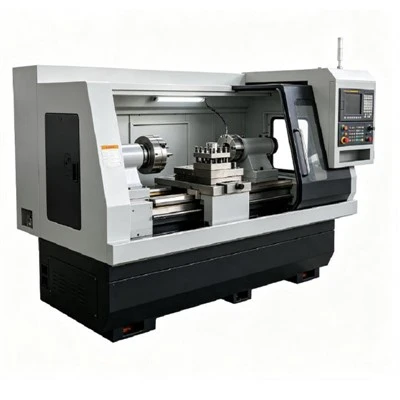
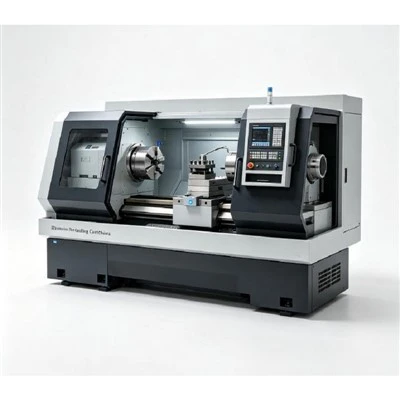
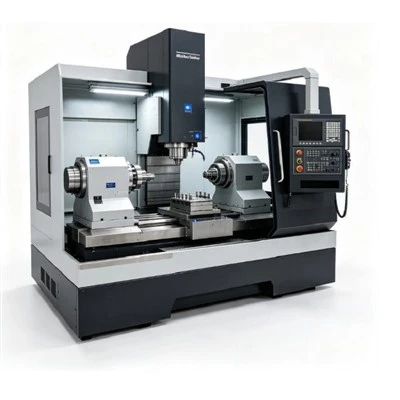
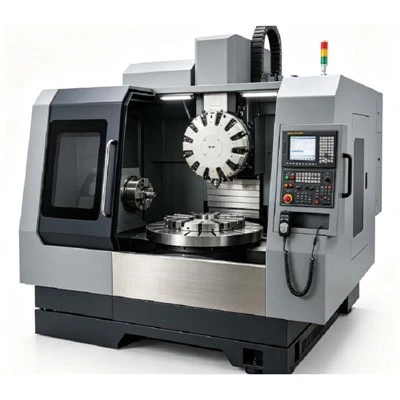
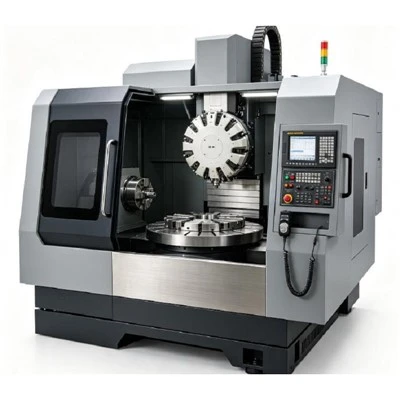
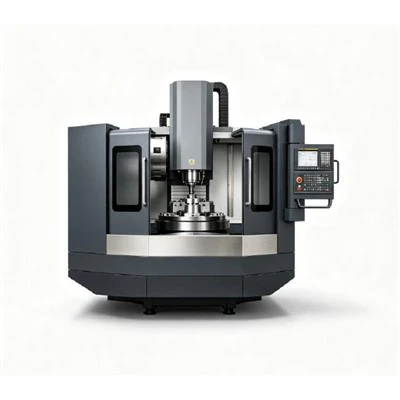
The Working Process Of a Lathe Machine
Step 1: The piece to be worked upon is placed between the headstock and tailstock. It is buckled with the chuck that helps put the workpiece into a stable position by gripping it from the outside.
Step 2: The workpiece is rotated with the help of a spindle which is connected to a motor. It makes the workpiece rotate at its axis.
Step 3: A cutting tool is then placed in the tool holder that holds the cutter at an appropriate distance from the rotating workpiece so its blades can cut the workpiece as desired. Different types of cutting tools are used for different desired shapes and materials.
How Does Lathe Machine Work?
Preparation and Setup: Before any lathe operation, it’s essential to prepare the machine and workpiece. This includes ensuring the lathe machine is clean and all components, such as the lathe bed, headstock, and tailstock, are properly aligned. The workpiece is then securely mounted to the lathe. This could be done between centers in the headstock and tailstock, or more commonly, by attaching it to a chuck or faceplate connected to the spindle.
Selecting and Installing the Cutting Tool: A suitable cutting tool is chosen based on the material of the workpiece and the desired operation. The tool is then securely fixed onto the tool post or a tool holder, ensuring it’s correctly positioned and at the appropriate distance from the workpiece.
Setting Spindle Speed: The spindle speed is a critical factor in lathe operations. It must be set according to the type of material and the specific cutting operation. The lathe’s electric motor powers the main spindle, dictating the rotational speed of the workpiece.
Engaging the Feed: After setting the spindle speed, the next step is to engage the feed. The feed moves the cutting tool along the longitudinal direction of the lathe bed or in a cross-slide motion, allowing for precision cutting. This movement can be manually controlled or set to move automatically at a steady rate, determined by the lead screw and feed rod mechanisms.
Performing the Cutting Operation: The cutting process begins by bringing the tool into contact with the rotating workpiece. The lathe removes unwanted parts from the workpiece, shaping it as it rotates. Operations such as turning, facing, grooving, and threading are performed by moving the tool against the workpiece in various directions and depths.
Monitoring and Adjusting: Throughout the operation, it’s crucial to monitor the cutting process and make necessary adjustments. This includes checking the shape and dimensions of the machined workpiece, ensuring the cutting tool remains sharp and effective, and adjusting the feed rate and spindle speed as needed.
Finishing and Inspection: Once the machining operation is complete, the workpiece is usually inspected for accuracy and finish. Additional steps like sanding or polishing may be performed on the lathe to achieve the desired surface finish.
How Are Lathe Machine Used In Various Industries?

Manufacturing Industry: Lathes are indispensable for producing metal components like gears, bolts, and rods. They ensure precision and efficiency in the production line.
Automotive Industry: Engine lathes are used for machining engine parts, brake drums, and flywheels, contributing to the assembly of vehicles.
Aerospace Industry: CNC lathes are crucial for fabricating high-precision parts such as turbine blades and various aerospace components.
Woodworking: Wood lathes are employed for turning wood to create intricately designed furniture, decorative items, and architectural details like table legs.
Metalworking: Metal lathes are essential for shaping metals into desired forms, crucial for creating machine parts, tools, and custom metal pieces.
Jewelry Making: Mini lathes are used to shape and polish precious metals and stones, aiding in the creation of intricate jewelry designs.
Shipbuilding: Large, industrial-scale lathes are used for shaping parts of ships, including propeller machining.
Glass Working: Specialized lathes are utilized for precision glass working, useful in creating scientific instruments and artistic glass pieces.
Tool Making: Toolroom lathes help in the production of high-precision tools and dies, essential for various manufacturing processes.
Education and Training: In academic and training settings, bench lathes are often used for teaching the basics of lathe operation and machining processes.

The Main Components Of a Lathe Machine
A Lathe Machine is a machine tool that is used to shape and cut various materials such as wood, metal, and plastics. It works by rotating the material on its axis while a cutting tool is applied to it. The lathe consists of several main components that work together to produce the desired outcome.
Headstock
The headstock is located at one end of the lathe and houses the main spindle. The spindle rotates the workpiece and is driven by an electric motor. The headstock also contains a mechanism to change the spindle speed, allowing the operator to adjust the cutting speed as needed.
Tailstock
The tailstock is located at the opposite end of the Lathe Machine from the headstock. It is used to support the other end of the workpiece and can be moved along the bed to accommodate different lengths of material. The tailstock also contains a spindle that can be extended to hold the workpiece in place.
Spindle
The spindle is a rotating component that is driven by the motor in the headstock. It holds the workpiece and can be fitted with various types of chucks or collets to secure the material.
Chuck
A chuck is a device that is attached to the spindle and holds the workpiece in place. It can be adjusted to grip different sizes of material and can be used to secure the workpiece while it is being shaped.
Bed
The bed is the base of the lathe and provides a stable platform for the other components. It is usually made of cast iron and is designed to be rigid and durable. The bed contains ways that guide the carriage and tailstock along its length.
Carriage
The carriage is the component that holds the cutting tool and moves along the bed. It can be moved manually or by a motor and is used to position the tool relative to the workpiece.
Lead Screw
The lead screw is a component that moves the carriage along the bed. It is driven by a handwheel and can be adjusted to move the carriage a precise distance.
Tool Post
The tool post is located on the carriage and holds the cutting tool. It can be adjusted to change the position of the tool relative to the workpiece and can be rotated to allow for different cutting angles.
Lathe Machine Bed
The Lathe Machine bed is the base of the machine and provides a stable platform for the other components. It is usually made of cast iron and is designed to be rigid and durable. The bed contains ways that guide the carriage and tailstock along its length.
Saddle
The saddle is the component that supports the carriage and moves along the lathe bed. It can be moved manually or by a motor and is used to position the cutting tool relative to the workpiece.
Handwheel
The handwheel is a component that is used to move the carriage or tailstock along the lathe bed. It can be turned by hand to move the component a precise distance.
Reasons To Invest In a Cnc Horizontal Machining Center
The amount of part handling associated with a VMC is significantly reduced on an HMC. For example, when machining a six-sided part on a VMC the operator typically moves the part six or more times, from fixture-to-fixture and in and out of the machine. Not only does this increase labor costs and slow production, it also increases the possibility of human error that can produce scrap and rework.
Because HMCs require less part handling, they allow for greater spindle run time. In fact, studies show that the spindle on a VMC operates only about 25% of the time, while an HMC typically produces 85% uptime.
Every time an operator touches a part it adds cost, thus reducing potential profitability and the ability to compete for more business. Typically, an HMC machines a six-sided part with only three touches by the operator, so the cost-per-part is significantly less.
Because of its ability to handle many kinds of parts more efficiently, HMCs can replace three or four VMCs. Not only is this a savings in initial machine cost, it also frees up valuable floor space for other uses.
Using one HMC instead of multiple VMCs means fewer fixtures, reduced setup times and greater throughput – all adding up to lower cost-per-part.
Types Of Lathe Machine
There are various types of lathes available, each designed for specific purposes. Here are some of the most common types of lathes:
Engine Lathe
Also known as a center lathe, an engine lathe is the most common type of lathe used in workshops. It is a versatile machine that can perform a range of operations, including turning, facing, drilling, and threading. Engine lathes are available in different sizes, ranging from small benchtop models to large industrial machines.
Turret Lathe
A turret lathe is a specialized lathe that is used for mass production of parts. It has a turret that can hold multiple tools, allowing for quick and efficient tool changes. Turret lathes are commonly used in the automotive and aerospace industries.
Speed Lathe
A speed lathe is a small lathe that is used for light-duty work. It is designed for high-speed operations and is commonly used for polishing, drilling, and sanding.
Bench Lathe
A bench lathe is a small lathe that is designed to be mounted on a workbench. It is commonly used for light-duty work, such as jewelry making and model building.
Wood Lathe
A wood lathe is designed specifically for woodworking. It is used for turning wood to create various shapes and designs, such as bowls, spindles, and furniture legs.
Metal Lathe
A metal lathe is designed for working with metal. It is used for turning, drilling, and threading metal parts.
Toolroom Lathe
A toolroom lathe is a precision lathe that is used for high-precision work. It is commonly used in tool and die shops, where accuracy is critical.
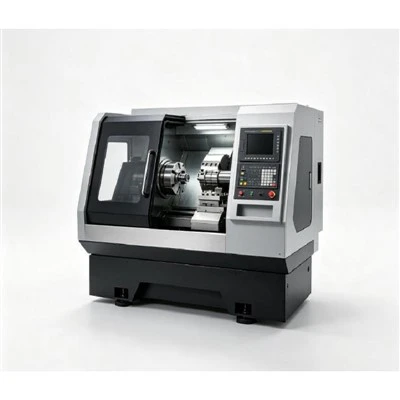
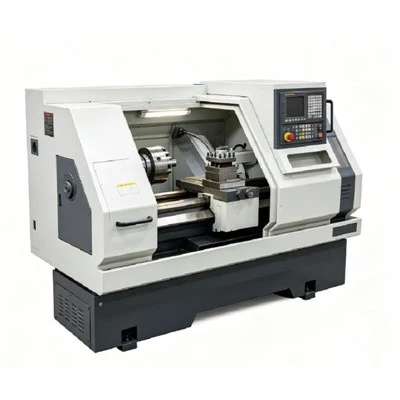
CNC Lathe
A CNC lathe is a computer-controlled lathe that is used for high-precision work. It is commonly used in manufacturing for mass production of parts.
Precision And Accuracy In a Lathe


A lathe is a versatile machine tool used for precision machining processes. It is capable of performing various operations such as cutting, drilling, sanding, knurling, and deformation with accuracy and precision. In a lathe, precision refers to the ability to perform a task with minimum deviation from the intended result, while accuracy refers to the ability to achieve the intended result consistently.
One of the critical factors that determine the precision and accuracy of a lathe is the finish of the workpiece. The finish of the workpiece refers to the surface quality of the material after machining. A smooth finish is essential for achieving high precision and accuracy in a lathe. The finish of the workpiece is affected by various factors such as the type of tool used, speed, feed rate, and the material being machined.
Another factor that affects the precision and accuracy of a lathe is the diameter of the workpiece. The diameter of the workpiece is critical because it determines the amount of material that needs to be removed. The larger the diameter of the workpiece, the more difficult it is to achieve high precision and accuracy. Therefore, it is essential to choose the right lathe for the job based on the diameter of the workpiece.
Precision and accuracy are critical factors in a lathe. Achieving high precision and accuracy requires a smooth finish of the workpiece and careful consideration of the diameter of the workpiece. By taking these factors into account, engineers and machinists can achieve the desired results consistently and efficiently.
Certifications


Our Factory
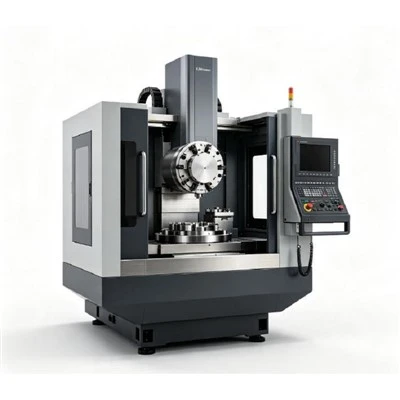
We have a general investment of 300 million yuan and covers an area of more than 120 thousand square meters, has more than one hundred sets of advanced equipment, annual production capacity over 3600 sets of machines, comprising more than thirty-five types and over fifty models. As a professional CNC lathe machine, CNC Veritical machining center, CNC gantry machine, band saw machine, bending machine supplier, We have dedicated ourselves to the field of machine tool manufacturing, we have built a modern quality management system which is in strict accordance with international standards, committed to produce a higher intelligent and higher quality machines and good after-sales services. We have exported our machines to more than 50 countries such as Russia, Belarus, East Europe, Egypt, Algeria, South Africa, Indonesia, Vietnam, Argentina, Mexico. We are also taking OEM & ODM orders and looking for agents all over the world, most of our products have got CE & EAC standards. Welcome to ZHONGXIN and establish a good cooperation and create a bright future together. ZHONGXIN, make the machines more easier, intelligent, and smarter, always online, always with you, and always for you!
