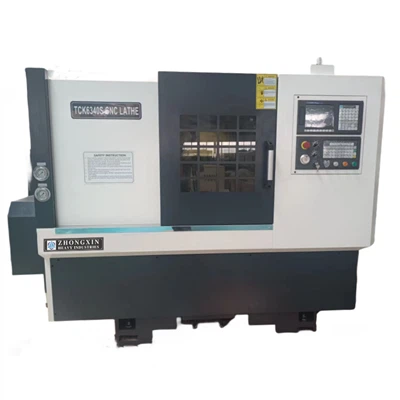
Hey there! As a supplier of CNC Lathe Chucks, I often get asked if these chucks can be used for machining complex - shaped workpieces. Well, let's dive right into this topic and find out.
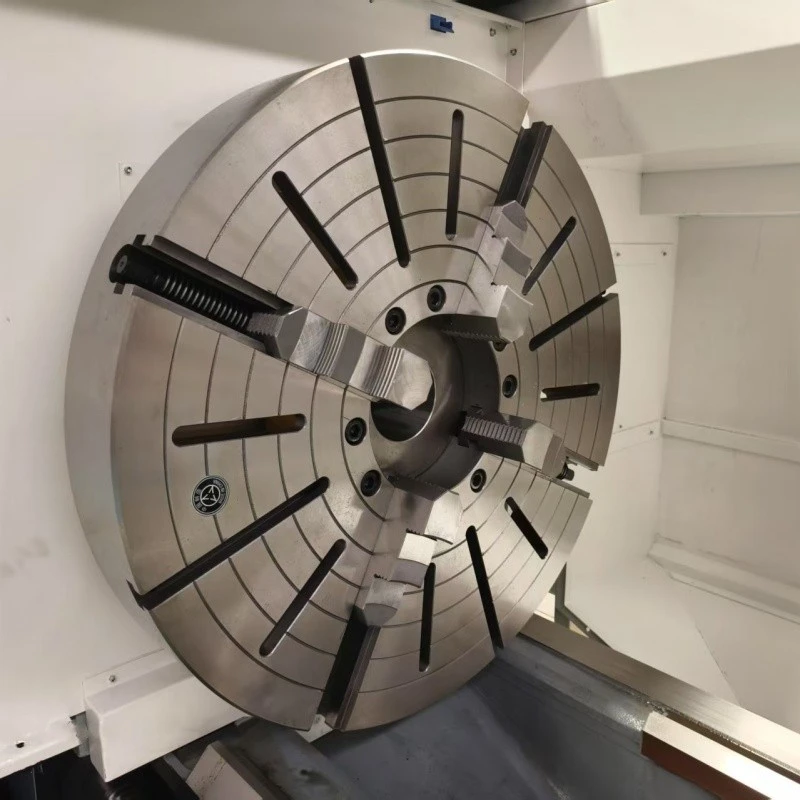

First off, let's understand what a CNC lathe chuck is. A CNC lathe chuck is a device used to hold a workpiece firmly in place on a lathe machine. It's a crucial part of the lathe setup, as it ensures that the workpiece stays stable during the machining process. Now, when it comes to complex - shaped workpieces, things get a bit more interesting.
Complex - shaped workpieces can have irregular curves, angles, and contours. These are not your typical round or cylindrical parts that are relatively easy to hold and machine. So, can a CNC lathe chuck handle them? The answer is, it depends.
One of the main factors to consider is the type of CNC lathe chuck. There are different types available in the market, such as three - jaw chucks, four - jaw chucks, and collet chucks. Three - jaw chucks are great for holding round or hexagonal workpieces. They are self - centering, which means they can quickly and easily grip the workpiece in the center. However, for complex - shaped workpieces, they might not be the best option. The jaws of a three - jaw chuck are designed to grip symmetrically, and if the workpiece has an irregular shape, it may not be held securely.
On the other hand, four - jaw chucks offer more flexibility. Each jaw can be adjusted independently, allowing for better control over the gripping of the workpiece. This makes them a better choice for machining complex - shaped workpieces. You can adjust the jaws to fit the contours of the workpiece, ensuring a more secure hold. For example, if you have a workpiece with an oval shape, you can adjust the four jaws to grip it firmly at different points.
Collet chucks are another option. They are known for their high - precision gripping. Collets are available in different sizes and can be used to hold workpieces of various diameters. However, they are more suitable for smaller, cylindrical workpieces. For complex - shaped workpieces, collet chucks may not be as effective, as they are designed to grip in a more uniform way around the circumference of the workpiece.
Another important aspect is the material of the workpiece. Different materials have different properties, such as hardness, ductility, and brittleness. For example, if you're machining a complex - shaped workpiece made of a hard material like titanium, you need a chuck that can provide enough clamping force to hold it in place during the machining process. A weak grip can lead to the workpiece moving or vibrating, which can result in poor surface finish and inaccurate machining.
The design of the CNC lathe chuck also plays a role. Some chucks are designed with features that make them more suitable for complex - shaped workpieces. For instance, there are chucks with special jaw designs that can conform to the shape of the workpiece better. These jaws may have serrated edges or other textures that increase the friction between the chuck and the workpiece, providing a more secure hold.
Now, let's talk about the machining process itself. When machining complex - shaped workpieces, the cutting forces can be quite different compared to machining regular - shaped parts. The direction and magnitude of the cutting forces can change rapidly as the tool moves along the complex contours of the workpiece. This means that the chuck needs to be able to withstand these changing forces without losing its grip on the workpiece.
If you're using a Cnc Lathe Machine Heavy Duty, it can provide more power and stability during the machining process. A heavy - duty lathe machine can handle the larger cutting forces associated with machining complex - shaped workpieces. And when paired with the right CNC lathe chuck, it can result in more accurate and efficient machining.
For those who prefer a Fanuc Lathe, Fanuc is known for its high - precision control systems. These systems can work in conjunction with a well - chosen CNC lathe chuck to ensure that the machining process is carried out with great accuracy. The control system can adjust the cutting parameters based on the shape of the workpiece, and the chuck can hold the workpiece firmly in place.
As a supplier of CNC Lathe Chucks, I've seen many customers successfully machine complex - shaped workpieces using our chucks. But it's important to do some planning and testing before starting the actual machining process. You need to choose the right type of chuck based on the shape and material of the workpiece. You may also need to make some adjustments to the chuck, such as changing the jaws or adjusting the clamping force.
In some cases, you might need to use additional fixtures or supports to hold the complex - shaped workpiece more securely. For example, you can use angle plates or V - blocks to provide extra support and stability. These fixtures can work in combination with the CNC lathe chuck to ensure that the workpiece stays in place during the machining process.
To sum it up, yes, you can use a CNC lathe chuck for machining complex - shaped workpieces, but you need to choose the right chuck and take into account various factors such as the type of chuck, the material of the workpiece, the design of the chuck, and the machining process. With the right setup and approach, you can achieve high - quality machining results.
If you're interested in purchasing CNC lathe chucks for your complex - shaped workpiece machining needs, feel free to reach out to us. We have a wide range of chucks to choose from, and our team of experts can help you select the best one for your specific requirements. Let's start a conversation and see how we can help you improve your machining operations.
References:
- "CNC Machining Handbook"
- Industry reports on CNC lathe chuck technology