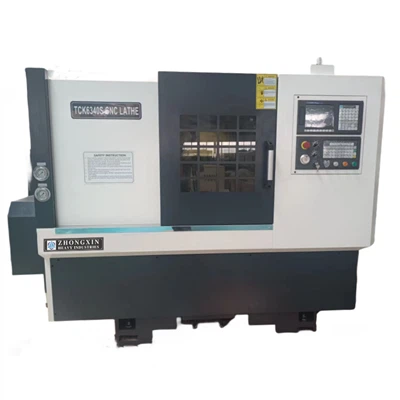
The precision range of a Precision CNC Lathe is a critical aspect that determines its suitability for various machining applications. As a leading supplier of Precision CNC Lathes, we understand the importance of providing accurate information about the precision capabilities of our machines. In this blog post, we will delve into the factors that influence the precision range of a Precision CNC Lathe and explore the typical precision levels achievable with our products.
Factors Influencing Precision Range
Machine Design and Construction
The design and construction of a Precision CNC Lathe play a fundamental role in determining its precision range. High-quality materials, such as cast iron or steel, are used to build the machine's base and components to ensure stability and rigidity. A rigid structure minimizes vibrations during machining, which can significantly affect the accuracy of the finished part. Additionally, the use of precision linear guides and ball screws allows for smooth and accurate movement of the cutting tool, contributing to better precision.
Control System
The control system of a Precision CNC Lathe is another crucial factor in achieving high precision. Advanced CNC controllers offer precise control over the machine's movements, spindle speed, and feed rate. These controllers can execute complex machining programs with high accuracy, ensuring that the part is machined to the specified dimensions. Some modern control systems also feature real-time monitoring and compensation capabilities, which can automatically adjust the machining parameters to account for variations in the workpiece or tool wear.
Cutting Tools
The choice of cutting tools can have a significant impact on the precision of a CNC lathe. High-quality cutting tools made from materials such as carbide or diamond offer excellent wear resistance and cutting performance. These tools can maintain their sharpness for longer periods, resulting in more consistent cutting and better surface finish. Additionally, the proper selection of cutting tool geometry, such as the rake angle and clearance angle, can optimize the cutting process and improve precision.
Workpiece Material and Fixturing
The type of workpiece material and the way it is fixtured can also influence the precision range of a CNC lathe. Different materials have different machining characteristics, such as hardness, ductility, and thermal conductivity, which can affect the cutting forces and surface finish. Therefore, it is important to select the appropriate cutting parameters and tools for the specific workpiece material. Moreover, proper fixturing is essential to ensure that the workpiece is held securely and accurately during machining. Any movement or vibration of the workpiece can lead to dimensional errors and poor surface quality.
Typical Precision Levels
The precision range of a Precision CNC Lathe can vary depending on the machine's specifications and the application requirements. As a general rule, most modern Precision CNC Lathes can achieve a dimensional accuracy of ±0.005 mm to ±0.02 mm (±0.0002 inches to ±0.0008 inches). This level of precision is suitable for a wide range of machining applications, including automotive, aerospace, and medical industries.
For more demanding applications, such as the production of high-precision components for the electronics or optical industries, our Swiss Turn Lathe can achieve even higher precision levels. These machines are capable of achieving a dimensional accuracy of up to ±0.001 mm (±0.00004 inches), thanks to their advanced design and cutting-edge technology.
In addition to dimensional accuracy, surface finish is another important aspect of precision machining. The surface finish of a machined part can affect its functionality, appearance, and durability. Most Precision CNC Lathes can achieve a surface finish of Ra 0.4 to Ra 1.6 µm (16 to 63 µin), depending on the cutting parameters and the type of cutting tool used. For applications that require a mirror-like surface finish, such as the production of optical lenses or medical implants, additional finishing processes, such as polishing or grinding, may be required.
Applications of Precision CNC Lathes
The high precision and versatility of Precision CNC Lathes make them suitable for a wide range of applications across various industries. Here are some examples:
Automotive Industry
In the automotive industry, Precision CNC Lathes are used to manufacture engine components, such as crankshafts, camshafts, and pistons. These components require high precision and tight tolerances to ensure optimal engine performance and reliability.
Aerospace Industry
The aerospace industry demands the highest level of precision and quality in the manufacturing of aircraft components. Precision CNC Lathes are used to produce critical parts, such as turbine blades, landing gear components, and aerospace fasteners. The ability to achieve precise dimensions and excellent surface finish is crucial for ensuring the safety and performance of aircraft.
Medical Industry
In the medical industry, Precision CNC Lathes are used to manufacture medical devices and implants, such as orthopedic screws, dental implants, and surgical instruments. These components must meet strict quality and safety standards, and precision machining is essential to ensure their accuracy and functionality.
Electronics Industry
The electronics industry requires the production of small, high-precision components, such as connectors, terminals, and microelectronic parts. Precision CNC Lathes can machine these components with high accuracy and repeatability, making them ideal for the electronics manufacturing process.
Choosing the Right Precision CNC Lathe
When choosing a Precision CNC Lathe, it is important to consider several factors, including the required precision range, the size and complexity of the parts to be machined, the production volume, and the budget. Here are some tips to help you make an informed decision:
Evaluate Your Application Requirements
Before purchasing a Precision CNC Lathe, carefully evaluate your application requirements, including the dimensional accuracy, surface finish, and production volume. This will help you determine the type of machine and the features you need.
Consider the Machine's Specifications
Look for a machine that offers the precision range and capabilities you require. Pay attention to factors such as the maximum spindle speed, the feed rate, the number of axes, and the control system.
Check the Machine's Build Quality
The build quality of a Precision CNC Lathe is important for ensuring its reliability and longevity. Look for a machine that is made from high-quality materials and has a rigid structure.

Look for Additional Features
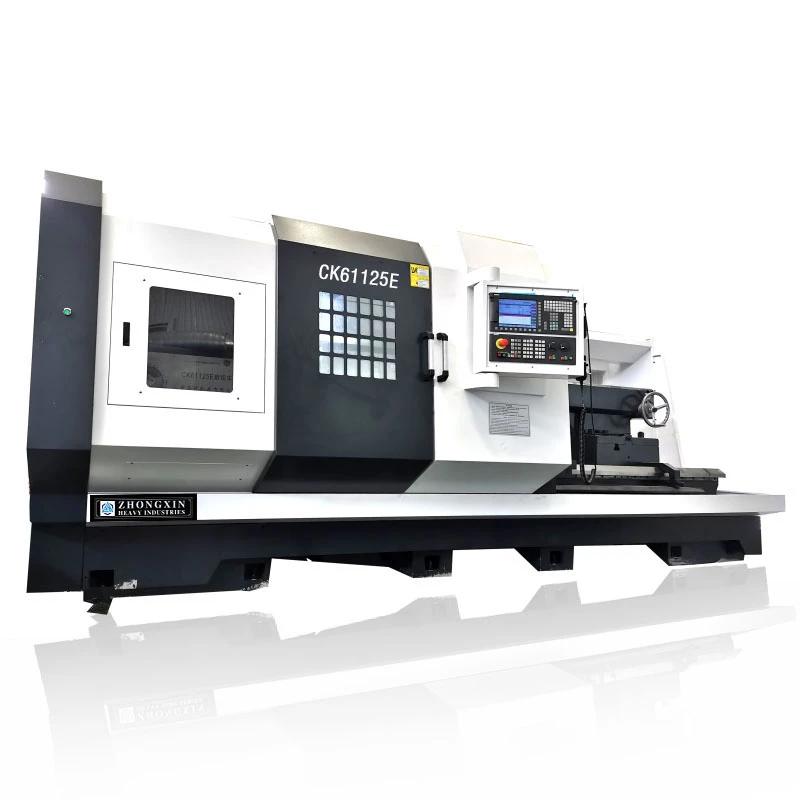
Some Precision CNC Lathes offer additional features, such as automatic tool changers, live tooling, and sub-spindles. These features can increase the machine's versatility and productivity, but they may also increase the cost.
Contact Us for More Information
If you are in the market for a Precision CNC Lathe, we would be happy to help you choose the right machine for your application. Our team of experts has extensive experience in the field of precision machining and can provide you with personalized advice and support. We offer a wide range of Precision CNC Lathes, including Swiss Turn Lathe, Large Lathe Machine, and Horizontal Turning Lathe, to meet the diverse needs of our customers.
Contact us today to learn more about our products and services. We look forward to working with you to achieve your precision machining goals.
References
- Smith, J. (2019). Precision Machining Handbook. New York: McGraw-Hill.
- Brown, A. (2020). CNC Lathe Operations and Programming. London: Elsevier.
- Johnson, M. (2021). Advances in Precision Engineering. Boston: Springer.