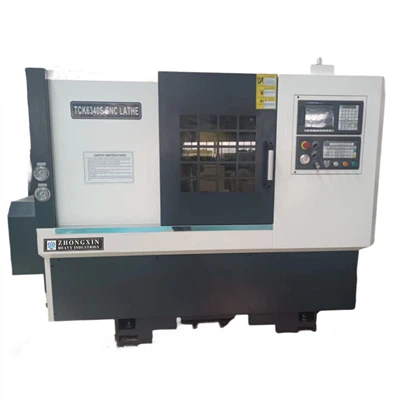
What is the price range of a horizontal CNC lathe machine?
As a supplier of horizontal CNC lathe machines, I've had numerous inquiries from clients about the price range of these sophisticated pieces of equipment. Understanding the cost factors associated with horizontal CNC lathe machines is crucial for both businesses looking to expand their manufacturing capabilities and individuals interested in precision machining. In this blog post, I'll delve into the various elements that influence the price of a horizontal CNC lathe machine and provide a comprehensive overview of the price range you can expect.
Factors Affecting the Price of Horizontal CNC Lathe Machines
-
Machine Size and Capacity
The physical size of a horizontal CNC lathe machine and its capacity play a significant role in determining its price. Larger machines with higher swing diameters (the maximum diameter of the workpiece that can be rotated on the lathe) and longer bed lengths generally command higher prices. These machines are designed to handle larger and more complex workpieces, which require more robust construction and powerful components. For example, a small horizontal CNC lathe with a swing diameter of around 200 - 300 mm and a bed length of 500 - 1000 mm may cost significantly less than a large machine with a swing diameter of over 500 mm and a bed length of several meters. -
Precision and Accuracy
Precision is a critical factor in CNC machining, and horizontal CNC lathe machines with higher precision and accuracy capabilities are typically more expensive. Machines that can achieve tighter tolerances (the allowable deviation from a specified dimension) and produce smoother surface finishes require advanced control systems, high - quality ball screws, and precision linear guides. For instance, a lathe machine capable of achieving a tolerance of ±0.005 mm will be priced higher than one with a tolerance of ±0.05 mm. -
Control System
The control system is the brain of a CNC lathe machine, and its sophistication can greatly impact the price. Advanced control systems offer features such as multi - axis control, high - speed machining, and compatibility with various programming languages. Brands like Fanuc and Siemens are well - known for their high - end control systems, which are often more expensive but provide superior performance and reliability. A basic CNC control system may be sufficient for simple turning operations, but for complex machining tasks, a more advanced system is required.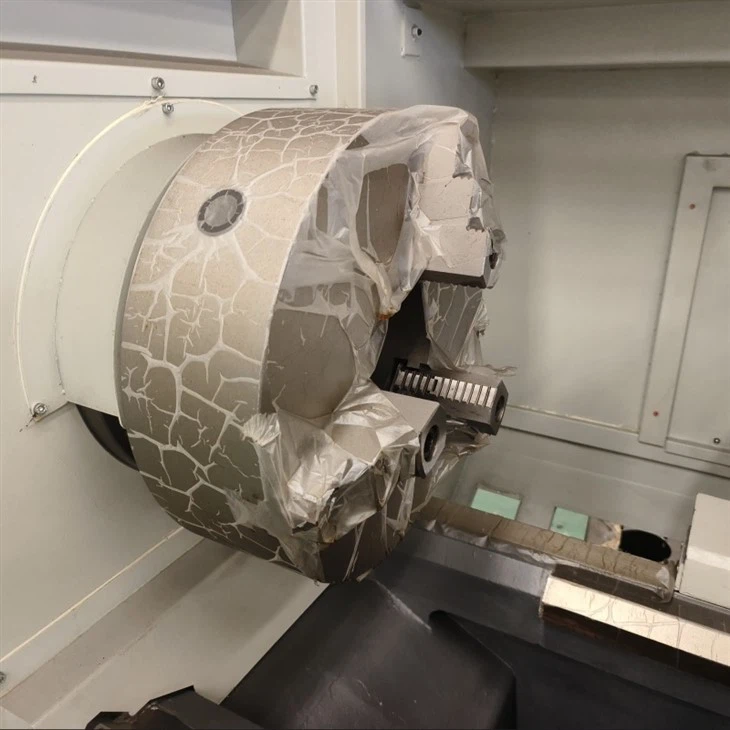

-
Tooling and Accessories
The type and number of tooling options and accessories included with the horizontal CNC lathe machine also affect the price. Machines that come with a comprehensive set of tool holders, cutting tools, and automatic tool changers (ATCs) are more expensive. An ATC allows the machine to automatically select and change tools during the machining process, increasing productivity and reducing setup time. Additionally, optional accessories such as CNC Lathe Chucks can enhance the functionality of the lathe but add to the overall cost. -
Brand and Reputation
Well - established brands with a reputation for quality and reliability often charge a premium for their horizontal CNC lathe machines. These brands invest heavily in research and development, use high - quality materials, and provide excellent after - sales support. While you may pay more for a machine from a well - known brand, you can expect better performance, longer service life, and fewer breakdowns. However, there are also many emerging brands that offer good - quality machines at more competitive prices.
Price Range of Horizontal CNC Lathe Machines
The price range of horizontal CNC lathe machines can vary widely depending on the factors mentioned above. Generally, you can expect to find the following price categories:
-
Entry - Level Horizontal CNC Lathe Machines
Entry - level horizontal CNC lathe machines are suitable for small - scale workshops, hobbyists, and businesses with limited machining requirements. These machines typically have a smaller size, basic control systems, and fewer features. The price of entry - level machines can range from $10,000 to $30,000. They are often used for simple turning operations on small workpieces and may not offer the same level of precision and productivity as more advanced models. -
Mid - Range Horizontal CNC Lathe Machines
Mid - range horizontal CNC lathe machines are more versatile and offer better performance than entry - level models. They usually have larger capacities, more advanced control systems, and additional features such as automatic tool changers. The price of mid - range machines typically falls between $30,000 and $100,000. These machines are suitable for medium - sized manufacturing businesses that require a balance between cost and performance. -
High - End Horizontal CNC Lathe Machines
High - end horizontal CNC lathe machines are designed for large - scale manufacturing, aerospace, automotive, and other industries that demand the highest levels of precision and productivity. These machines feature state - of - the - art control systems, high - speed spindles, and advanced tooling options. They can handle large and complex workpieces with tight tolerances. The price of high - end horizontal CNC lathe machines can exceed $100,000 and may go up to several hundred thousand dollars or more, depending on the specific configuration and features. -
Specialized Horizontal CNC Lathe Machines
There are also specialized horizontal CNC lathe machines, such as Swiss Turn Lathe and Horizontal Turning Lathe, which are designed for specific machining applications. Swiss turn lathes are commonly used for machining small, complex parts with high precision, while horizontal turning lathes are used for heavy - duty turning operations. The price of specialized machines can vary significantly based on their unique features and capabilities, but they generally fall within the mid - to high - end price range.
Making an Informed Decision
When considering the purchase of a horizontal CNC lathe machine, it's important to evaluate your specific machining requirements, budget, and long - term goals. Don't just focus on the upfront cost; also consider the total cost of ownership, which includes maintenance, tooling, training, and energy consumption. It's advisable to consult with a professional in the industry or a representative from a reputable supplier to get a better understanding of the available options and to choose a machine that best suits your needs.
If you're in the market for a horizontal CNC lathe machine, I encourage you to reach out to us. As a trusted supplier, we offer a wide range of horizontal CNC lathe machines to meet various requirements and budgets. Our team of experts can provide you with detailed information, product demonstrations, and assistance in selecting the right machine for your business. Whether you're a small - scale workshop or a large - scale manufacturing facility, we're here to help you make the best investment in your machining operations.
References
- "CNC Machining Handbook" by Peter H. Herum
- "Modern Machining Technology" by Robert L. Todd