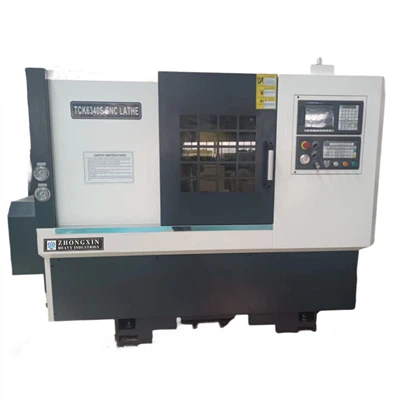
Hey there! As a supplier of CNC Lathe Chucks, I've seen a lot of folks scratching their heads over how to pick the right chuck for their machines. It's not as straightforward as it might seem at first glance, but don't worry – I'm here to break it down for you.
First off, let's talk about what a CNC lathe chuck actually is. In simple terms, it's a device that holds the workpiece firmly in place while the lathe does its thing. Without a good chuck, you're gonna have a hard time getting accurate and consistent results. So, how do you choose the right one? Well, there are a few key factors you need to consider.
Size Matters
The size of the chuck is one of the most important things to think about. You need to make sure it's compatible with the size of your lathe and the workpieces you'll be using. If the chuck is too small, it won't be able to hold the workpiece securely. On the other hand, if it's too big, it might not fit properly on your lathe or could cause unnecessary vibrations.
To determine the right size, you'll need to know the maximum diameter of the workpieces you'll be working with. Most chucks are rated by their maximum capacity, so make sure you choose one that can handle the largest pieces you plan to use. For example, if you're mostly working with small parts, a Small CNC Lathe with Live Tooling might be a good fit, and you'll want to choose a chuck that's appropriate for its size.
Type of Chuck
There are several different types of CNC lathe chucks available, each with its own advantages and disadvantages. The most common types are three-jaw chucks, four-jaw chucks, and collet chucks.
- Three-Jaw Chucks: These are the most widely used type of chuck. They have three jaws that move simultaneously to grip the workpiece. Three-jaw chucks are great for round or hexagonal workpieces because they can center the piece automatically. They're also relatively easy to use and are available in a wide range of sizes.
- Four-Jaw Chucks: Four-jaw chucks have four independent jaws that can be adjusted individually. This makes them more versatile than three-jaw chucks because they can grip irregularly shaped workpieces. However, they're also more difficult to set up and require more skill to use effectively.
- Collet Chucks: Collet chucks use a collet to grip the workpiece. They're known for their high precision and are often used for small, round workpieces. Collet chucks are also very fast to change, which can save you a lot of time if you're working on multiple parts.
Chuck Accuracy
Accuracy is another crucial factor when choosing a CNC lathe chuck. A high-accuracy chuck will ensure that your workpieces are held securely and that the machining process is precise. Look for chucks that have a low runout, which is the amount of deviation from perfect concentricity. A chuck with a low runout will produce more accurate parts.
Chuck Material
The material of the chuck is also important. Chucks are typically made from steel, cast iron, or aluminum. Steel chucks are strong and durable, but they can be heavy. Cast iron chucks are also strong and have good vibration damping properties, but they're heavier than aluminum chucks. Aluminum chucks are lightweight and corrosion-resistant, but they may not be as strong as steel or cast iron chucks.
Mounting Style
The mounting style of the chuck is another thing to consider. There are several different mounting styles available, including direct mount, flange mount, and draw tube mount. Make sure you choose a chuck that's compatible with the mounting style of your lathe.
Cost
Of course, cost is always a factor when making a purchase. CNC lathe chucks can vary widely in price, depending on their size, type, and features. While it's tempting to go for the cheapest option, remember that you get what you pay for. A high-quality chuck may cost more upfront, but it will last longer and provide better performance in the long run.
Heavy Duty Applications
If you're working on heavy-duty applications, such as machining large or tough materials, you'll need a Heavy Duty Metal Lathe and a chuck that can handle the load. Look for chucks that are designed for heavy-duty use and have a high clamping force. These chucks are typically made from stronger materials and have a more robust construction.
Combo Machines
If you have a Lathe Milling Machine Combo 3 in 1, you'll need to choose a chuck that's compatible with both the lathe and milling functions. Some chucks are designed specifically for combo machines and can be used for both turning and milling operations.
Conclusion
Choosing the right CNC lathe chuck for your machine is an important decision that can have a big impact on the quality and efficiency of your work. By considering factors such as size, type, accuracy, material, mounting style, and cost, you can find a chuck that meets your needs and helps you get the most out of your lathe.


If you're still not sure which chuck is right for you, don't hesitate to reach out. As a supplier of CNC Lathe Chucks, I have the knowledge and experience to help you make the best choice. Whether you're a hobbyist or a professional machinist, I can provide you with the information and support you need to find the perfect chuck for your machine. So, if you're ready to take your machining to the next level, let's start the conversation and find the right chuck for you.
References
- "CNC Lathe Operations Handbook"
- "Machinery's Handbook"