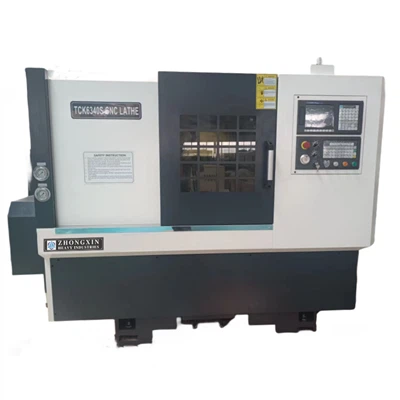
Hey there, fellow machining enthusiasts! I'm a supplier of Manual Turret Lathes, and I've seen firsthand how crucial it is to have these machines properly aligned. In this blog, I'm gonna walk you through the process of aligning the components of a Manual Turret Lathe. Whether you're a seasoned pro or just starting out in the machining world, this guide will help you get the most out of your equipment.
First off, let's talk about why alignment matters. A well - aligned Manual Turret Lathe can produce high - quality parts with tight tolerances. It reduces wear and tear on the machine, extends its lifespan, and improves overall efficiency. Misaligned components can lead to poor surface finishes, inaccurate dimensions, and even damage to the lathe itself.
Pre - alignment Checks
Before you start the actual alignment process, there are a few pre - alignment checks you need to do. These checks will help you identify any obvious issues and ensure that the machine is in a good starting condition.
- Clean the Machine: Make sure the lathe is clean. Remove any chips, dirt, or debris from the bed, turret, and other components. A dirty machine can affect the accuracy of your alignment.
- Inspect for Damage: Look for any signs of damage, such as cracks, worn - out parts, or loose bolts. Replace or repair any damaged components before proceeding with the alignment.
- Check the Lubrication: Ensure that all moving parts are properly lubricated. This includes the ways, lead screws, and turret indexing mechanism. Proper lubrication reduces friction and helps the components move smoothly during alignment.
Aligning the Bed
The bed is the foundation of the Manual Turret Lathe, and its alignment is critical. Here's how you can align it:
- Level the Machine: Use a precision level to level the lathe in both the longitudinal and cross - sectional directions. Place the level on the bed ways and adjust the leveling feet until the bubble is centered. This step ensures that the lathe is sitting flat and stable.
- Check the Bed Straightness: You can use a straightedge and feeler gauges to check the straightness of the bed. Place the straightedge along the bed ways and use the feeler gauges to measure the gaps between the straightedge and the ways. If there are any significant gaps, you may need to adjust the bed mounting bolts or use shims to correct the alignment.
Aligning the Headstock
The headstock holds the spindle, which is one of the most important components of the lathe. Here's how to align it:
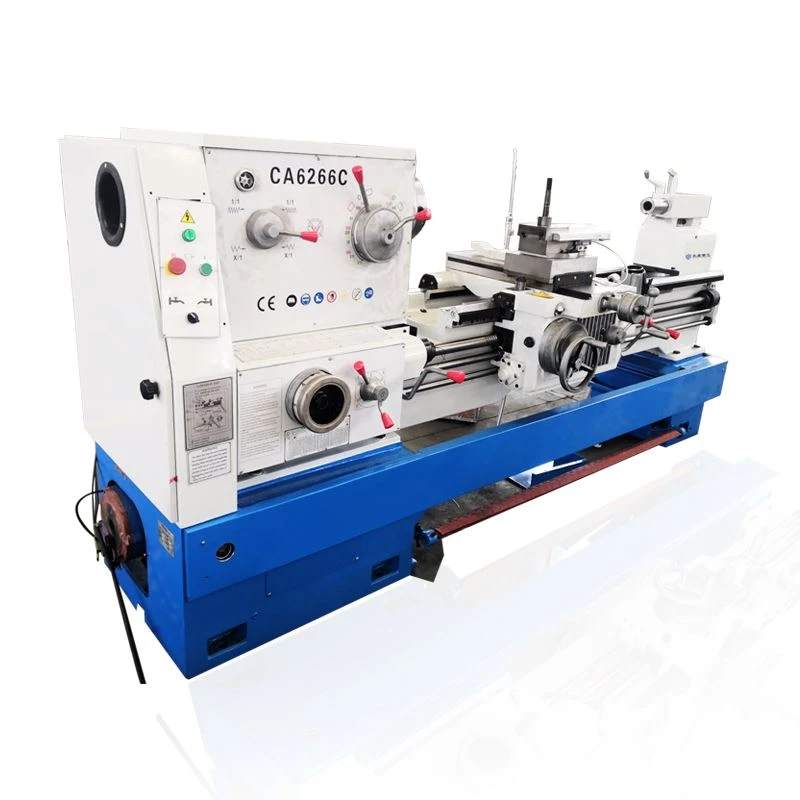

- Spindle Runout: Use a dial indicator to check the spindle runout. Mount the dial indicator on the lathe bed and position the probe against the spindle nose. Rotate the spindle slowly and observe the indicator reading. The runout should be within the manufacturer's specifications. If it's not, you may need to adjust the spindle bearings or the headstock mounting.
- Headstock Alignment with the Bed: Ensure that the headstock is parallel to the bed ways. You can use a straightedge and feeler gauges to check the alignment. Place the straightedge across the headstock and the bed ways and measure the gaps. Make any necessary adjustments to the headstock mounting bolts to achieve proper alignment.
Aligning the Turret
The turret is where you mount the cutting tools, and its alignment is essential for accurate machining.
- Turret Indexing: Check the turret indexing accuracy. Rotate the turret through all its positions and use a dial indicator to measure the position of each station. The indexing should be precise, and any deviation should be within acceptable limits. If there are issues with indexing, you may need to adjust the turret indexing mechanism or replace worn - out parts.
- Turret Tool Post Alignment: Make sure that the tool posts on the turret are perpendicular to the spindle axis. You can use a square and a dial indicator to check this alignment. Adjust the tool post mounting as needed to ensure proper orientation.
Aligning the Tailstock
The tailstock provides support for long workpieces. Here's how to align it:
- Tailstock Alignment with the Spindle: Use a test bar and a dial indicator to check the alignment of the tailstock with the spindle. Insert the test bar into the spindle and mount the dial indicator on the tailstock quill. Move the tailstock along the bed and observe the indicator reading. The tailstock should be aligned with the spindle axis within a specified tolerance. Adjust the tailstock mounting bolts or the quill if necessary.
Fine - Tuning and Testing
After you've completed the initial alignment of all the components, it's time for some fine - tuning and testing.
- Test Cuts: Make some test cuts on a sample workpiece. Check the dimensions, surface finish, and concentricity of the machined part. If there are any issues, go back and make further adjustments to the alignment.
- Repeat the Checks: Periodically repeat the alignment checks to ensure that the components remain properly aligned over time. Wear and tear, as well as normal use, can cause the alignment to shift.
Conclusion
Aligning the components of a Manual Turret Lathe is a detailed and important process. By following these steps, you can ensure that your lathe is operating at its best, producing high - quality parts with precision.
If you're in the market for a new Manual Turret Lathe or looking to upgrade your existing one, we've got you covered. Check out our Manual Lathe For Sale, Manual Turret Lathe, and High Precision Manual Lathe options. Our lathes are built to last and offer excellent performance.
If you have any questions or want to discuss your specific requirements, don't hesitate to reach out. We're here to help you make the right choice for your machining needs.
References
- "Machinery's Handbook"
- Manufacturer's Manuals for Manual Turret Lathes