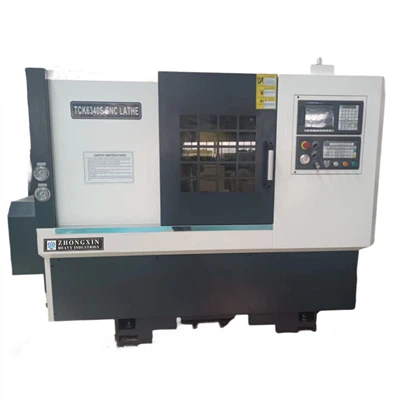
Hey there! As a supplier of Swiss Turn Lathes, I'm stoked to share with you the ins and outs of installing one of these bad boys. Whether you're a seasoned pro or just starting out in the machining world, getting your Swiss Turn Lathe up and running correctly is crucial for top-notch performance. So, let's dive right in!
Pre-Installation Preparations
Before you even think about unpacking your shiny new Swiss Turn Lathe, there are a few things you need to take care of. First off, you gotta pick the right spot for it. The location should be level, well-ventilated, and have enough space around it for easy access and maintenance. You don't want to be squeezing into tight corners every time you need to make adjustments.
Next, check the electrical requirements. Swiss Turn Lathes usually need a specific voltage and phase to operate properly. Make sure your power supply can handle it. If you're not sure, it's a good idea to consult an electrician. They can help you set up the right electrical connections and ensure everything is safe.
You'll also need to gather all the necessary tools for the installation. This might include wrenches, screwdrivers, and a torque wrench. Having the right tools on hand will make the installation process a whole lot smoother.


Unpacking and Inspection
Once you've got everything ready, it's time to unpack your Swiss Turn Lathe. Carefully remove it from the packaging, making sure not to damage any parts. As you unpack, take a good look at the machine. Check for any signs of damage during shipping, like dents, scratches, or loose components. If you find anything wrong, contact the shipping company and us right away.
While you're inspecting the machine, familiarize yourself with all the parts. Locate the control panel, the spindle, the tool turret, and any other important components. This will help you understand how the machine works and make the installation process easier.
Machine Placement
Now that your Swiss Turn Lathe is unpacked and inspected, it's time to place it in its permanent location. Use a forklift or a crane to move the machine into position. Make sure it's centered on the floor and aligned with the markings you made earlier. Once it's in place, use shims to level the machine. A level machine is essential for accurate machining, so take your time to get it right.
Electrical Installation
With the machine in place, it's time to tackle the electrical installation. Start by connecting the power cable to the machine. Make sure all the connections are tight and secure. Then, connect the control panel to the machine. This will allow you to operate the lathe and control its functions.
If your Swiss Turn Lathe has a coolant system, you'll also need to connect the coolant hoses. Make sure the hoses are properly connected and that there are no leaks. The coolant system is important for keeping the machine cool and lubricated during operation.
Mechanical Installation
Once the electrical connections are made, it's time to focus on the mechanical installation. Start by installing the tool turret. This is where you'll mount your cutting tools. Follow the manufacturer's instructions carefully to ensure the tool turret is installed correctly.
Next, install the spindle. The spindle is the heart of the lathe, so it's important to get it right. Make sure it's properly aligned and that all the bearings are lubricated. Once the spindle is installed, you can mount the chuck or collet. This is what holds the workpiece in place during machining.
Testing and Calibration
After the mechanical installation is complete, it's time to test the machine. Turn on the power and run a few test cycles. Check for any abnormal noises or vibrations. If you notice anything wrong, stop the machine immediately and troubleshoot the problem.
Once you're satisfied that the machine is running smoothly, it's time to calibrate it. This involves adjusting the various settings on the control panel to ensure accurate machining. You'll need to calibrate the spindle speed, the feed rate, and the tool offsets. Follow the manufacturer's instructions carefully to ensure the calibration is done correctly.
Training and Support
Installing a Swiss Turn Lathe is just the first step. To get the most out of your machine, you'll need to train your operators. We offer comprehensive training programs to help your operators learn how to use the machine safely and effectively. Our training programs cover everything from basic operation to advanced programming.
In addition to training, we also offer ongoing support. If you have any questions or problems with your Swiss Turn Lathe, our technical support team is here to help. We can provide you with troubleshooting advice, replacement parts, and software updates.
Conclusion
Installing a Swiss Turn Lathe can be a challenging but rewarding process. By following these steps and working with a reputable supplier like us, you can ensure that your machine is installed correctly and running smoothly. If you're interested in purchasing a Swiss Turn Lathe or have any questions about the installation process, don't hesitate to contact us. We'd love to help you take your machining operations to the next level.
References
- "CNC Lathe Installation and Maintenance Guide" by ABC Publishing
- "Swiss Turn Lathe Technology" by XYZ Industries
If you're interested in other types of lathes, check out our Ck6150 CNC Lathe, Small Cnc Lathe, and Ck6132 CNC Lathe. Contact us today to discuss your specific needs and start the purchasing process!