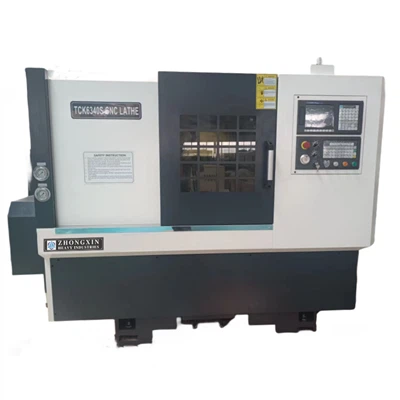
Hey there! As a supplier of shearing machines, I often get asked about how to lubricate these essential pieces of equipment. Proper lubrication is crucial for the smooth operation, longevity, and overall performance of a shearing machine. In this blog post, I'll walk you through the ins and outs of lubricating a shearing machine.
Why Lubrication Matters
First off, let's talk about why lubrication is so important. A shearing machine works by applying a significant amount of force to cut through metal sheets. This process generates a lot of friction and heat, which can wear down the machine's components over time. Lubrication helps to reduce friction between moving parts, preventing excessive wear and tear. It also dissipates heat, keeping the machine cool and preventing overheating. Additionally, a well - lubricated machine operates more quietly and efficiently, saving you energy and money in the long run.
Types of Lubricants
There are different types of lubricants available for shearing machines, and choosing the right one is key.
- Mineral Oil - Based Lubricants: These are the most commonly used lubricants. They are relatively inexpensive and offer good lubrication properties. Mineral oil - based lubricants are suitable for general - purpose shearing machines that operate under normal conditions.
- Synthetic Lubricants: Synthetic lubricants are more expensive but offer superior performance. They have better resistance to high temperatures, oxidation, and wear. Synthetic lubricants are ideal for high - speed shearing machines or those that operate in harsh environments.
- Greases: Greases are thick lubricants that are often used in areas where oil might leak or drip. They are suitable for components that require long - term lubrication, such as bearings and pivot points.
Lubrication Points on a Shearing Machine
Now, let's take a look at the main lubrication points on a shearing machine.
1. Blade Guides
The blade guides are crucial for ensuring the accurate movement of the cutting blade. They need to be well - lubricated to reduce friction and prevent the blade from sticking or binding. You can use a high - quality oil or grease to lubricate the blade guides. Apply the lubricant regularly, following the manufacturer's recommendations.
2. Bearings
Bearings support the rotating and moving parts of the shearing machine. They are subject to high loads and speeds, so proper lubrication is essential. Use a lubricant that is specifically designed for bearings. For ball bearings, you can use a light - weight oil, while for roller bearings, a heavier - grade oil or grease might be more appropriate.
3. Pivot Points
Pivot points allow the machine's components to move smoothly. These points should be lubricated to reduce wear and ensure free movement. A grease with good adhesion properties is usually a good choice for pivot points.
4. Hydraulic System
If your shearing machine is a CNC Hydraulic Shearing Machine, the hydraulic system is a critical part that requires proper lubrication. The hydraulic fluid acts as both a lubricant and a power - transmitting medium. Make sure to use the correct type of hydraulic fluid recommended by the manufacturer and change it at the recommended intervals.
Lubrication Process
Step 1: Preparation
Before you start lubricating the shearing machine, make sure it is turned off and unplugged (if it's an electric machine). Wear appropriate safety gear, such as gloves and safety glasses. Gather all the necessary lubricants and tools, such as oil cans, grease guns, and cleaning rags.
Step 2: Cleaning
Clean the lubrication points to remove any dirt, debris, or old lubricant. Use a clean rag or a brush to wipe away the contaminants. This step is important because dirt and debris can mix with the new lubricant and cause damage to the machine's components.
Step 3: Lubrication
- Oil Lubrication: For oil - lubricated parts, use an oil can to apply the oil evenly to the lubrication points. Make sure to apply the right amount of oil. Too little oil won't provide adequate lubrication, while too much oil can cause leaks and attract dirt.
- Grease Lubrication: If you're using a grease gun, attach it to the grease fitting at the lubrication point. Pump the grease gun until a small amount of fresh grease appears at the fitting. Wipe away any excess grease.
Step 4: Inspection
After lubricating the machine, inspect the lubrication points to make sure the lubricant has been applied evenly and there are no signs of leaks. Start the machine and run it for a few minutes to check for any abnormal noises or vibrations.
Lubrication Schedule
Establishing a regular lubrication schedule is essential for the proper maintenance of a shearing machine. The lubrication frequency depends on several factors, such as the machine's usage, operating conditions, and the type of lubricant used.
- Daily Lubrication: Some parts, such as the blade guides, may require daily lubrication, especially if the machine is used frequently.
- Weekly or Monthly Lubrication: Bearings and pivot points can be lubricated on a weekly or monthly basis, depending on the machine's usage.
- Periodic Hydraulic Fluid Changes: For the hydraulic system, the hydraulic fluid should be changed according to the manufacturer's recommendations, which is usually every few months or years, depending on the machine.
Troubleshooting Lubrication Issues
Sometimes, you may encounter lubrication - related issues with your shearing machine. Here are some common problems and their solutions:
- Excessive Noise: If the machine is making excessive noise, it could be a sign of inadequate lubrication. Check the lubrication points and make sure they are properly lubricated. If the noise persists, there may be other issues, such as worn - out bearings or misaligned components.
- Leaking Lubricant: A leaking lubricant can be a sign of a damaged seal or an over - lubricated part. Check the seals for any signs of damage and replace them if necessary. Also, make sure you're not applying too much lubricant.
- Overheating: Overheating can be caused by insufficient lubrication or the use of the wrong type of lubricant. Check the lubrication levels and the type of lubricant being used. If the problem persists, there may be an issue with the machine's cooling system.
Conclusion
Proper lubrication is a vital part of maintaining a shearing machine. By following the steps outlined in this blog post, you can ensure that your shearing machine operates smoothly, efficiently, and has a long lifespan.
If you're in the market for a new shearing machine or have any questions about lubrication or maintenance, feel free to reach out to us. We're here to help you make the right choice and keep your equipment in top - notch condition.

References
- Manufacturer's manuals of shearing machines
- Industry standards and guidelines for machine lubrication