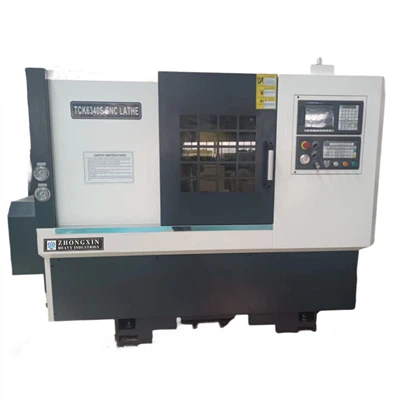
Selecting the right gear ratio for a large lathe machine is a crucial decision that significantly impacts its performance, efficiency, and the quality of the work it produces. As a supplier of large lathe machines, I understand the importance of this choice and am here to guide you through the process.
Understanding Gear Ratios in Lathe Machines
Before delving into how to select the right gear ratio, it's essential to understand what gear ratios are and how they function in a lathe machine. A gear ratio is the ratio of the number of teeth on two gears that are meshed together. In a lathe machine, the gear ratio determines the speed and torque relationship between the motor and the spindle.
A high gear ratio (e.g., 10:1) means that the output shaft (spindle) rotates at a slower speed than the input shaft (motor) but with higher torque. This is useful for heavy - duty cutting operations where more force is required to remove material from the workpiece. On the other hand, a low gear ratio (e.g., 1:1) results in the spindle rotating at a higher speed with lower torque, which is suitable for finishing operations and working with softer materials.
Factors to Consider When Selecting Gear Ratios
1. Workpiece Material
The type of material you'll be working with is a primary factor in determining the appropriate gear ratio. Hard materials such as stainless steel, titanium, and hardened steel require more torque to cut through. For these materials, a high gear ratio is necessary to provide the necessary force. For example, when turning a large stainless - steel shaft on a Horizontal Slant Bed Lathe, a high gear ratio will ensure smooth and efficient cutting without overloading the machine.
Conversely, softer materials like aluminum, brass, and plastics can be cut at higher speeds. A low gear ratio allows the spindle to rotate faster, enabling quicker material removal and a better surface finish. When using a Swiss Turn Lathe to machine small aluminum parts, a lower gear ratio can enhance productivity.
2. Cutting Operations
Different cutting operations demand different gear ratios. Roughing operations, where a large amount of material is removed from the workpiece, require high torque. A high gear ratio is ideal for roughing because it allows the cutting tool to penetrate the material deeply and steadily. For instance, when roughing a large diameter cast - iron workpiece on a Cnc Lathe Machine Heavy Duty, a high gear ratio will prevent the tool from stalling and ensure a consistent cut.
Finishing operations, on the other hand, focus on achieving a smooth surface finish. These operations typically require lower torque and higher spindle speeds. A low gear ratio is preferred for finishing as it enables the cutting tool to make fine cuts and produce a high - quality surface.
3. Tooling
The type of cutting tools you use also affects the gear ratio selection. Carbide tools can withstand higher cutting speeds and are often used for high - speed machining. When using carbide tools, a lower gear ratio can be employed to take advantage of their speed capabilities. High - speed steel (HSS) tools, on the other hand, are more suitable for lower - speed operations. For HSS tools, a higher gear ratio may be necessary to provide the right amount of torque for effective cutting.


4. Machine Capacity
The size and capacity of the lathe machine play a role in gear ratio selection. Larger lathe machines are designed to handle heavier workpieces and more demanding cutting operations. They usually have a wider range of gear ratios available to accommodate different tasks. A large - capacity lathe can typically handle both high - torque roughing and high - speed finishing operations. However, it's important to match the gear ratio to the machine's power and structural capabilities. Overloading the machine by using an inappropriate gear ratio can lead to premature wear and damage.
Calculating the Right Gear Ratio
In some cases, you may need to calculate the specific gear ratio for a particular job. The formula for calculating the gear ratio is:
Gear Ratio = Number of Teeth on Driven Gear / Number of Teeth on Driving Gear
However, in modern lathe machines, especially CNC lathes, the gear ratios are often pre - set and can be adjusted through the machine's control system. The machine's manufacturer usually provides a recommended range of gear ratios for different types of materials and operations.
Testing and Optimization
Once you've selected a gear ratio based on the factors mentioned above, it's important to test the setup on a sample workpiece. Start with a conservative approach and gradually adjust the gear ratio as needed. Monitor the cutting process closely, paying attention to factors such as cutting force, surface finish, and tool wear.
If the cutting force is too high and the machine is struggling, it may indicate that a higher gear ratio is required. If the surface finish is poor or the tool is wearing too quickly, a lower gear ratio might be more appropriate. Continuously optimizing the gear ratio based on real - world testing will help you achieve the best results.
Conclusion
Selecting the right gear ratio for a large lathe machine is a complex but essential task. By considering factors such as workpiece material, cutting operations, tooling, and machine capacity, you can make an informed decision. Remember to test and optimize the gear ratio for each job to ensure the best performance and quality of work.
As a supplier of large lathe machines, we are committed to providing you with the support and expertise you need to make the right choices for your machining operations. If you have any questions or need further assistance in selecting the appropriate gear ratio for your lathe machine, please don't hesitate to contact us for more information and to discuss your procurement needs. Our team of experts is ready to help you find the perfect solution for your manufacturing requirements.
References
- "Machinery's Handbook" - A comprehensive reference for mechanical engineers and machinists, providing in - depth information on gear systems and lathe operations.
- Manufacturer's manuals for large lathe machines, which often include guidelines on gear ratio selection for different materials and cutting operations.