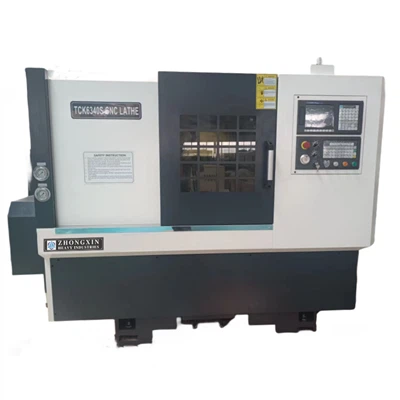
Hey there! As a supplier of shearing machines, I often get asked about the blade life of a shearing machine. It's a crucial question because the blade is like the heart of the shearing machine. A long - lasting blade can save you a ton of money and keep your production running smoothly. So, let's dive right in and explore what the blade life of a shearing machine is all about.
What Affects the Blade Life?
First off, we need to understand the factors that can impact how long a shearing machine blade lasts.
Material Quality
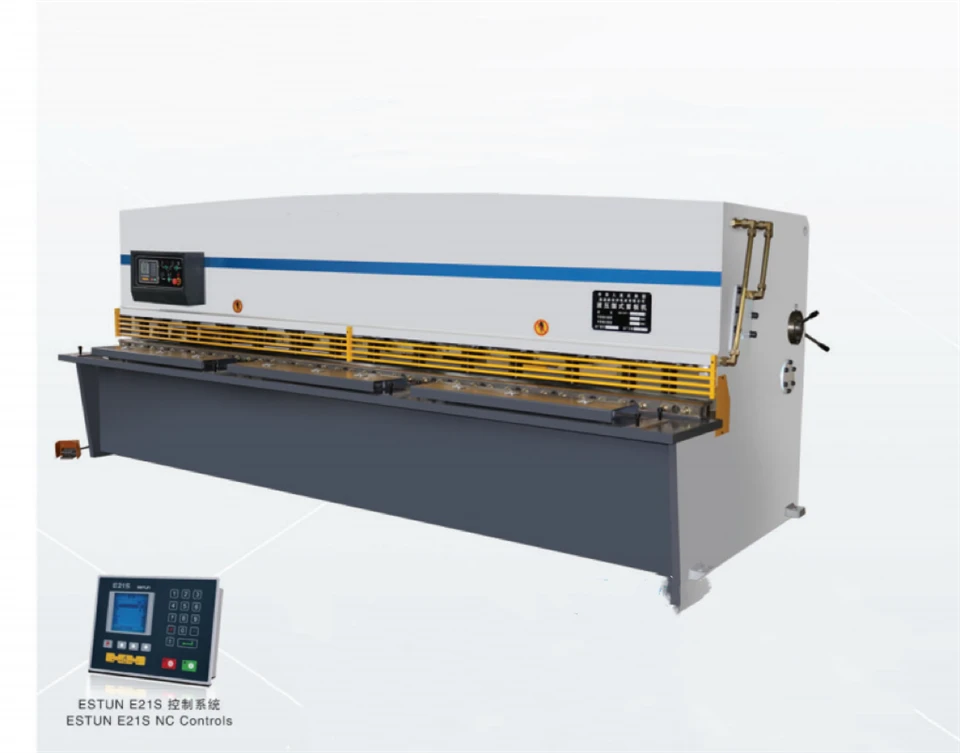
The quality of the blade material is a no - brainer. High - quality blades are usually made from special steels that are heat - treated to have high hardness and toughness. For example, blades made from D2 or A2 tool steel can withstand more wear and tear compared to lower - grade steels. When you invest in a CNC Hydraulic Shearing Machine, it often comes with high - quality blades because these machines are designed for precision and long - term use.
Workpiece Material
The type of material you're cutting also matters big time. If you're constantly cutting through soft materials like aluminum or copper, the blade will last longer than if you're dealing with hard materials such as stainless steel or high - carbon steel. Hard materials put more stress on the blade, causing it to wear out faster. For instance, cutting thick stainless steel sheets requires a blade with excellent wear resistance.
Cutting Thickness and Length
The thickness and length of the material being cut play a significant role. Cutting thicker and longer workpieces requires more force, which in turn increases the wear on the blade. A Hydraulic Shearing Machine 2000mm is designed to handle larger workpieces, but if you're pushing it to its limits with very thick materials all the time, the blade life will be reduced.
Cutting Frequency
How often you use the shearing machine is another key factor. If you're running the machine non - stop for long hours every day, the blades will wear out quicker than if you're using it occasionally. It's like driving a car; the more you drive, the more wear and tear on the tires.
Blade Clearance
Proper blade clearance is super important. If the clearance is too large, the blade won't cut cleanly, and it'll cause more wear. On the other hand, if the clearance is too small, the blade can get damaged. You need to adjust the blade clearance according to the thickness and type of the material you're cutting.
How to Extend Blade Life?
Now that we know what affects blade life, let's talk about how to make those blades last longer.
Regular Maintenance
Regular maintenance is the name of the game. You should clean the blades after each use to remove any debris or chips. Also, lubricating the blades can reduce friction and wear. A little bit of lubricant goes a long way in keeping the blades in good shape.
Correct Blade Installation
Make sure the blades are installed correctly. Incorrect installation can lead to uneven wear and premature blade failure. Follow the manufacturer's instructions carefully when installing the blades.
Monitor Cutting Conditions
Keep an eye on the cutting process. If you notice any signs of poor cutting quality, like rough edges or burrs, it could be a sign that the blade needs adjustment or replacement. Don't ignore these signs; address them right away to prevent further damage.

Train Your Operators
Well - trained operators are essential. They should know how to use the shearing machine properly, including adjusting the blade clearance and using the right cutting parameters. A trained operator can make a huge difference in blade life.
Measuring Blade Life
So, how do we measure the blade life of a shearing machine? There isn't a one - size - fits - all answer because it depends on all the factors we've discussed above.
Some manufacturers might specify the blade life in terms of the number of cuts. For example, a blade might be rated for 100,000 cuts under certain conditions. However, this number can vary widely depending on the material being cut and other factors.
Another way to measure blade life is by the quality of the cut. When the cut quality starts to deteriorate significantly, it's a sign that the blade is reaching the end of its useful life. You can also measure the blade's wear by checking its thickness. As the blade wears, its thickness will decrease.
Real - World Examples
Let's look at a couple of real - world examples to give you a better idea of blade life.
Say you have a small workshop that mainly cuts thin aluminum sheets. You use a hydraulic shearing machine for a few hours a day. In this case, the blades could last for several months or even a year with proper maintenance.
On the other hand, if you have a large - scale manufacturing plant that cuts thick stainless steel sheets around the clock, the blades might need to be replaced every few weeks.
Why Choose Our Shearing Machines?
As a shearing machine supplier, we take pride in offering high - quality machines with long - lasting blades. Our CNC Hydraulic Shearing Machine is designed with precision and durability in mind. The blades are made from top - notch materials and are heat - treated to ensure maximum wear resistance.
Our Hydraulic Shearing Machine 2000mm is also a great choice for handling larger workpieces. We provide detailed instructions on blade maintenance and installation to help you get the most out of your machine.
If you're in the market for a shearing machine and want to ensure long blade life, we're here to help. Our team of experts can answer all your questions and guide you through the selection process. Whether you're a small business or a large industrial operation, we have the right shearing machine for you.
Contact Us for a Purchase Discussion
If you're interested in learning more about our shearing machines or want to discuss a potential purchase, don't hesitate to reach out. We're always happy to have a chat and help you find the perfect solution for your cutting needs.
References
- "Metal Cutting Technology Handbook", various industry experts, published by a leading industrial press.
- Manufacturer's manuals for shearing machines, providing technical details on blade materials and maintenance.