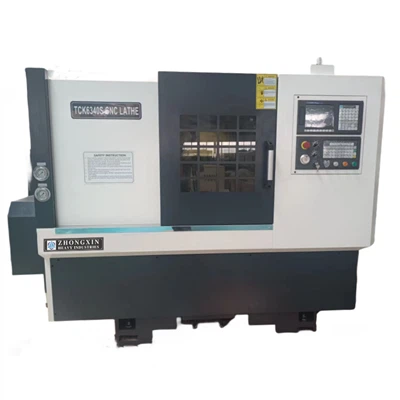
Hey there! I'm a supplier of manual lathes, and I've seen firsthand how these machines can be game - changers in the manufacturing world. But let's face it, sometimes they can be a bit sluggish, and you might find yourself wishing they were more efficient. Well, you're in the right place because today, I'm gonna share some tips on how to improve the efficiency of a manual lathe.
1. Operator Training
First off, having a well - trained operator is crucial. A skilled operator can make the most out of a manual lathe. They know how to set up the machine properly, select the right cutting tools, and operate it at optimal speeds and feeds.
I've seen so many cases where a lack of training leads to wasted time and materials. For example, if an operator doesn't know how to correctly measure the workpiece, they might end up making multiple passes to get the right dimensions, which is a huge time - suck.
We offer training programs for our customers who buy Manual Lathe For Sale. These programs cover everything from basic machine operation to advanced techniques like threading and taper turning. By investing in operator training, you can significantly boost the efficiency of your manual lathe.
2. Tool Selection and Maintenance
The cutting tools you use on a manual lathe can have a big impact on its efficiency. Using the wrong tool for the job can lead to poor surface finishes, slow cutting speeds, and even damage to the workpiece or the machine itself.
When it comes to tool selection, you need to consider the material you're working with. For example, if you're machining a hard metal like stainless steel, you'll need a tool with a high - speed steel or carbide tip. On the other hand, if you're working with a softer material like aluminum, a high - speed steel tool might be sufficient.
Regular tool maintenance is also essential. Dull tools not only cut slower but also produce a worse surface finish. You should sharpen or replace your tools regularly to keep them in top condition. We have a wide range of high - quality cutting tools available for our Manual Turret Lathe, and we can provide guidance on the best tools for your specific applications.
3. Workpiece Setup
Proper workpiece setup is another key factor in improving the efficiency of a manual lathe. If the workpiece is not centered or clamped securely, it can cause vibrations during machining, which can lead to poor surface finishes, inaccurate dimensions, and even damage to the cutting tools.
Before you start machining, make sure the workpiece is properly aligned and clamped. You can use a dial indicator to check the alignment and make any necessary adjustments. Also, consider using fixtures or jigs to hold the workpiece in place. This can save you a lot of time in setting up each individual workpiece.
For small - scale projects, our Mini Lathe Machine is a great option. It's easy to set up and can handle a variety of workpieces with precision.

4. Speed and Feed Optimization
The speed and feed rates you use on a manual lathe can greatly affect its efficiency. Running the machine too fast or too slow can lead to problems. If the speed is too high, the cutting tool can overheat and wear out quickly. If the speed is too low, the machining process will take longer than necessary.
Similarly, the feed rate, which is the rate at which the cutting tool moves along the workpiece, needs to be optimized. A feed rate that is too high can cause the tool to break, while a feed rate that is too low can result in a slow machining process.
You can use a speed and feed calculator to determine the optimal settings for your specific workpiece material and cutting tool. We can provide you with some guidelines on speed and feed optimization when you purchase our manual lathes.
5. Regular Machine Maintenance
Just like any other piece of equipment, a manual lathe needs regular maintenance to keep it running efficiently. This includes cleaning the machine, lubricating the moving parts, and checking the alignment of the components.
Over time, dirt and debris can build up on the machine, which can affect its performance. Regular cleaning can prevent this from happening. Lubrication is also important to reduce friction between the moving parts and extend their lifespan.
We recommend that you follow a regular maintenance schedule for your manual lathe. If you're not sure how to perform maintenance, our technical support team can provide you with detailed instructions.
6. Process Improvement
Finally, take a look at your overall machining process. Are there any steps that can be eliminated or streamlined? For example, can you combine multiple operations into one setup?
By analyzing your process and making improvements, you can save a significant amount of time and increase the efficiency of your manual lathe. You might also consider implementing lean manufacturing principles, which focus on eliminating waste and improving productivity.
In conclusion, improving the efficiency of a manual lathe requires a combination of operator training, proper tool selection and maintenance, correct workpiece setup, speed and feed optimization, regular machine maintenance, and process improvement. As a manual lathe supplier, we're here to support you every step of the way.
If you're interested in purchasing a manual lathe or need more information on how to improve the efficiency of your existing machine, don't hesitate to contact us for a procurement discussion. We'll work with you to find the best solutions for your needs.
References
- "Manual Lathe Operation Handbook"
- "Cutting Tool Technology for Lathes"
- "Lean Manufacturing Principles in Machining"