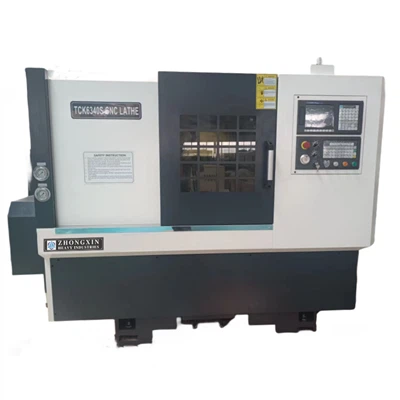
As a supplier of Fanuc Lathes, I often encounter inquiries from customers regarding the cutting depth limit of these machines. Understanding this parameter is crucial for optimizing machining processes, ensuring product quality, and maximizing the efficiency of the lathe. In this blog post, I will delve into the factors that influence the cutting depth limit of a Fanuc Lathe, discuss how to determine an appropriate cutting depth, and provide some practical tips for achieving the best results.
Factors Influencing the Cutting Depth Limit
Machine Rigidity
The rigidity of a Fanuc Lathe is one of the primary factors that determine its cutting depth limit. A more rigid machine can withstand higher cutting forces without excessive vibration or deflection. Fanuc Lathes are known for their robust construction, which provides a stable platform for machining operations. However, the specific model and configuration of the lathe can affect its rigidity. For example, larger lathes with heavier castings and more substantial components generally offer greater rigidity compared to smaller models.
Tooling and Cutting Tools
The type and quality of the cutting tools used also play a significant role in determining the cutting depth limit. Different cutting tools are designed for specific materials and machining operations, and each has its own recommended cutting parameters. High - quality cutting tools made from advanced materials such as carbide can withstand higher cutting forces and allow for deeper cuts compared to lower - quality tools. Additionally, the geometry of the cutting tool, including the rake angle, clearance angle, and cutting edge radius, can affect the cutting forces and the maximum achievable cutting depth.
Workpiece Material
The material of the workpiece is another critical factor. Different materials have different mechanical properties, such as hardness, toughness, and ductility, which can influence the cutting forces and the maximum cutting depth. For example, machining a hard material like stainless steel or titanium requires more cutting force compared to a softer material like aluminum. As a result, the cutting depth limit for hard materials may be lower to avoid excessive tool wear and damage to the machine.
Spindle Power
The power of the lathe's spindle is directly related to its ability to drive the cutting tool through the workpiece. A more powerful spindle can provide the necessary torque to make deeper cuts. Fanuc Lathes are available with a range of spindle power options, and the cutting depth limit will be higher for lathes with more powerful spindles. However, it's important to note that simply having a high - power spindle does not guarantee that deeper cuts can be made. Other factors such as machine rigidity and tooling also need to be considered.
Determining the Appropriate Cutting Depth
To determine the appropriate cutting depth for a specific machining operation on a Fanuc Lathe, the following steps can be taken:
Consult the Machine Manual
The machine manual provided by Fanuc is an invaluable resource. It contains detailed information about the machine's specifications, including the recommended cutting parameters for different materials and operations. The manual will often provide guidelines on the maximum cutting depth based on the machine's capabilities and the type of cutting tools used.
Consider the Tool Manufacturer's Recommendations
Cutting tool manufacturers also provide recommendations for cutting parameters, including the maximum cutting depth. These recommendations are based on extensive testing and research and take into account the tool's material, geometry, and intended application. By following the tool manufacturer's guidelines, you can ensure that the cutting tool is used within its optimal range and minimize the risk of tool failure.
Conduct Test Cuts
In some cases, it may be necessary to conduct test cuts to determine the optimal cutting depth for a particular workpiece and machining operation. Start with a relatively shallow cut and gradually increase the depth while monitoring the cutting forces, tool wear, and surface finish of the workpiece. This approach allows you to find the maximum cutting depth that still produces acceptable results without causing excessive wear on the tool or damage to the machine.
Practical Tips for Achieving the Best Results
Optimize the Cutting Parameters
In addition to the cutting depth, other cutting parameters such as feed rate and cutting speed also need to be optimized. A proper combination of these parameters can help to reduce cutting forces, improve surface finish, and extend tool life. For example, increasing the feed rate while maintaining a moderate cutting depth can sometimes increase the material removal rate without sacrificing too much on tool wear.
Use Proper Coolant
Coolant plays a crucial role in machining operations. It helps to reduce cutting temperatures, flush away chips, and lubricate the cutting tool. Using the right type of coolant and applying it effectively can improve the cutting performance and allow for deeper cuts. For example, in high - speed machining of difficult - to - machine materials, a high - pressure coolant system can be very effective in reducing tool wear and improving chip evacuation.
Regular Maintenance
Regular maintenance of the Fanuc Lathe is essential to ensure its optimal performance. This includes checking and adjusting the machine's alignment, lubricating moving parts, and inspecting the cutting tools regularly. A well - maintained machine will have better rigidity and stability, which can increase the cutting depth limit and improve the overall machining quality.


Conclusion
The cutting depth limit of a Fanuc Lathe is influenced by multiple factors, including machine rigidity, tooling, workpiece material, and spindle power. By understanding these factors and following the appropriate procedures for determining the cutting depth, you can optimize your machining processes and achieve the best results. As a Fanuc Lathe supplier, we are committed to providing our customers with the necessary support and expertise to help them make the most of their Fanuc Lathes. Whether you are involved in Large CNC Turning operations or need high - quality CNC Lathe Chucks, we have the products and knowledge to meet your needs.
If you are interested in learning more about our Fanuc Lathes or have any questions regarding the cutting depth limit or other machining parameters, please feel free to contact us. We look forward to discussing your specific requirements and helping you find the best solutions for your machining applications.
References
- Fanuc Lathe Operator's Manuals
- Cutting Tool Manufacturer's Technical Guides
- Machining Handbook (various editions)