

When operating a New Vertical Lathe, ensuring safety is of utmost importance. As a supplier of New Vertical Lathes, I understand the significance of providing clear guidelines on safety precautions to our customers. In this blog post, I will outline the essential safety measures that should be taken when operating a New Vertical Lathe.
Pre - operation Safety Checks
Before starting the New Vertical Lathe, a series of pre - operation safety checks must be carried out. First and foremost, inspect the machine's overall condition. Check for any visible damages such as cracks in the machine body, loose parts, or signs of wear and tear on critical components. A damaged machine can pose significant safety risks during operation.
Verify that all safety guards are in place and functioning properly. Safety guards are designed to prevent operators from coming into contact with moving parts, such as the spindle, chuck, and cutting tools. They act as a physical barrier, protecting operators from potential injuries caused by flying debris, entanglement, or direct contact with rotating elements. If any safety guards are missing or damaged, they should be replaced immediately.
Examine the electrical system of the lathe. Ensure that all electrical connections are secure, and there are no exposed wires or frayed cables. Faulty electrical systems can lead to electric shocks, short - circuits, and even fires. Use a voltage tester to check the electrical supply to the machine, and make sure it is within the specified voltage range.
Check the lubrication system. Adequate lubrication is essential for the smooth operation of the lathe and to prevent overheating of moving parts. Inspect the oil levels in the lubrication reservoirs and refill them if necessary. Also, check the oil lines for any blockages or leaks.
The cutting tools should be inspected carefully. Make sure they are sharp, properly installed, and securely tightened. Dull or loose cutting tools can cause poor machining quality, increase the risk of tool breakage, and pose a danger to the operator. Select the appropriate cutting tool for the specific machining task, taking into account factors such as the material being machined, the cutting speed, and the feed rate.
Personal Protective Equipment (PPE)
Wearing the appropriate Personal Protective Equipment is crucial when operating a New Vertical Lathe. Operators should wear safety glasses to protect their eyes from flying chips, coolant, and debris. The safety glasses should have side shields to provide additional protection.
Hearing protection is also necessary, as the operation of a lathe can generate high - level noise. Earplugs or earmuffs can help reduce the risk of hearing loss caused by prolonged exposure to loud noise.
A well - fitting safety helmet should be worn to protect the head from any falling objects or potential impacts.
Operators should wear protective gloves, but it is important to choose the right type. Gloves with loose or long cuffs should be avoided, as they can get caught in the moving parts of the lathe. Instead, use tight - fitting gloves designed for machine operation.
A safety apron or work clothing that fits properly is recommended. Loose clothing can also get entangled in the machine, so it should be avoided. Tuck in shirts, and make sure there are no dangling strings or accessories.
Operating Procedures
During the operation of the New Vertical Lathe, operators should follow strict operating procedures. First, they should be thoroughly trained on the machine's controls and functions. Familiarize themselves with the control panel, including the start/stop buttons, speed controls, and feed controls.
When starting the lathe, make sure the chuck is empty and there are no tools or other objects on the worktable. Slowly start the machine at a low speed and let it run for a few minutes to warm up. This helps to ensure smooth operation and reduces the risk of mechanical failures.
When loading and unloading workpieces, use proper lifting techniques. Workpieces can be heavy, and improper lifting can lead to back injuries. Use lifting equipment such as cranes or hoists if necessary. Secure the workpiece firmly in the chuck or fixture to prevent it from moving during machining.
Set the cutting parameters correctly. The cutting speed, feed rate, and depth of cut should be adjusted according to the material being machined and the capabilities of the lathe. Incorrect cutting parameters can cause excessive tool wear, poor surface finish, and even damage to the machine.
Avoid reaching into the working area of the lathe while it is in operation. If it is necessary to remove chips or adjust the workpiece, stop the machine first and wait for all moving parts to come to a complete stop.
Keep the work area clean and organized. Remove chips and debris regularly to prevent them from accumulating on the worktable or in the machine's moving parts. This not only improves the safety of the operation but also helps to maintain the performance of the lathe.

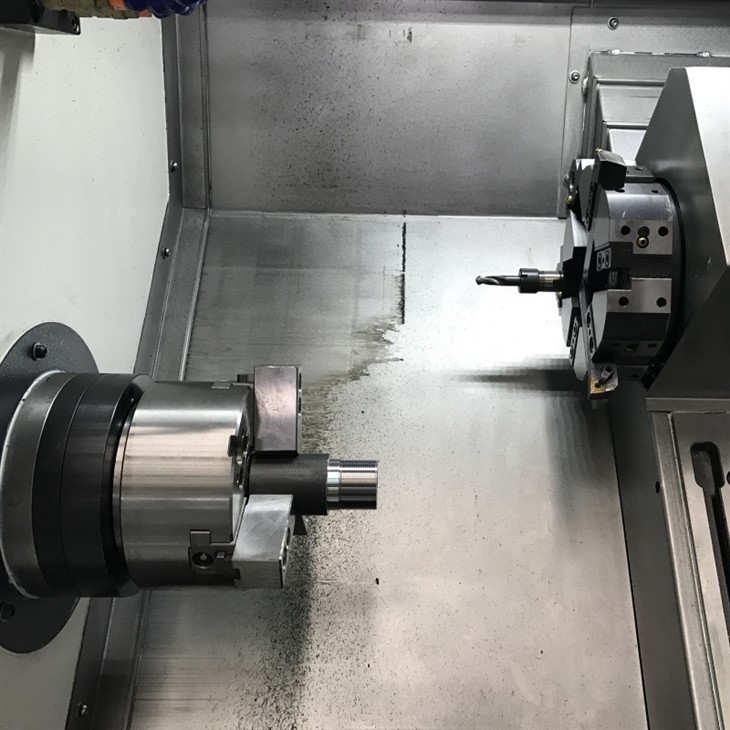
Emergency Procedures
In case of an emergency, operators should know the emergency stop procedure. Locate the emergency stop button on the control panel and be familiar with how to use it. In the event of a dangerous situation, such as a tool breakage, a fire, or an electrical problem, immediately press the emergency stop button to shut down the machine.
After pressing the emergency stop button, isolate the power supply to the lathe to prevent any accidental restart. Then, assess the situation and take appropriate measures to address the emergency. If there is a fire, use the appropriate fire - extinguishing equipment, such as a dry - chemical fire extinguisher.
If an operator is injured, provide first - aid immediately and call for medical assistance. Have a first - aid kit readily available in the work area.
Maintenance and Inspection
Regular maintenance and inspection of the New Vertical Lathe are essential for its safe and reliable operation. Establish a maintenance schedule and follow it strictly.
Periodically inspect the mechanical components of the lathe, such as the spindle, bearings, and gears. Check for any signs of wear, misalignment, or damage. Replace any worn - out parts promptly.
The electrical system should be inspected regularly by a qualified electrician. Check the electrical components for signs of overheating, corrosion, or damage. Test the grounding system to ensure its effectiveness.
Clean and lubricate the machine regularly. Remove any dirt, chips, and coolant residue from the machine's surfaces and internal components. Lubricate the moving parts as recommended by the manufacturer.
Conclusion
Operating a New Vertical Lathe safely requires a combination of pre - operation checks, the use of proper Personal Protective Equipment, strict operating procedures, emergency preparedness, and regular maintenance. By following these safety precautions, operators can minimize the risk of accidents and injuries, and ensure the long - term performance of the lathe.
If you are interested in our New Vertical Lathes or other related products such as New Slant Bed Lathe, Slant Bed Cnc Lathe Machine, or Ck6132 CNC Lathe, please feel free to contact us for more information and to discuss your specific requirements. We are committed to providing high - quality machines and excellent customer service.
References
- Machinery's Handbook, Industrial Press Inc.
- OSHA Guidelines for Machine Operation Safety.
