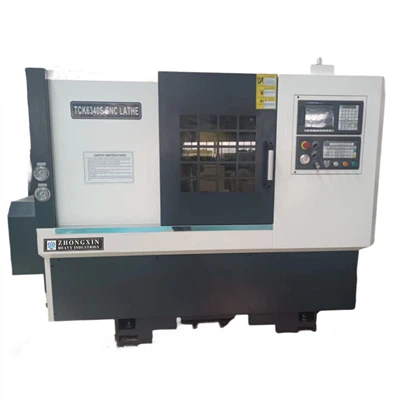
When it comes to using a heavy duty metal lathe, safety should always be the top priority. As a supplier of heavy duty metal lathes, I understand the importance of providing clear and comprehensive safety guidelines to our customers. In this blog post, I will share some essential safety precautions that should be taken when operating a heavy duty metal lathe.
Pre - operation Safety Checks
Before starting the lathe, a series of pre - operation checks are crucial. First, inspect the lathe thoroughly. Check for any visible signs of damage such as cracks in the bed, loose parts, or worn - out components. Ensure that all the guards are in place and in good condition. Guards are designed to protect operators from flying chips, moving parts, and other potential hazards. For example, the spindle guard should be securely attached to prevent accidental contact with the rotating spindle.
Next, examine the cutting tools. Make sure they are sharp and properly installed. Dull or incorrectly installed tools can cause poor cutting performance, increase the risk of tool breakage, and pose a danger to the operator. Check the tool holders for tightness and alignment. A loose tool holder can lead to the tool moving during operation, which may result in an unexpected accident.
Verify the lubrication system. Adequate lubrication is essential for the smooth operation of the lathe and to prevent overheating. Check the oil levels in the lubrication reservoirs and ensure that the oil is flowing to all the necessary parts. Insufficient lubrication can cause excessive wear on the machine components and increase the risk of mechanical failure.
Personal Protective Equipment (PPE)
Wearing the appropriate personal protective equipment is non - negotiable when operating a heavy duty metal lathe. Safety glasses are a must. Metal chips can fly off at high speeds during the cutting process, and safety glasses can protect your eyes from these flying debris. Make sure the safety glasses have side shields for full protection.
Hearing protection is also important. The operation of a heavy duty metal lathe can generate a significant amount of noise, which can cause hearing damage over time. Earplugs or earmuffs should be worn to reduce the noise exposure.
Wear a proper - fitting work apron or coveralls. Loose clothing can get caught in the moving parts of the lathe, leading to serious injuries. Tie back long hair and remove any jewelry or loose accessories that could potentially get entangled in the machine.
Steel - toed boots are recommended to protect your feet from falling objects or heavy tools. In a workshop environment, there is always a risk of something being dropped, and steel - toed boots can prevent foot injuries.
During Operation
When the lathe is in operation, maintain a safe distance from the moving parts. Do not reach over the rotating spindle or the cutting area. Keep your hands and fingers away from the cutting tools at all times. Use appropriate tools such as wrenches and pliers to make adjustments or hold workpieces, rather than using your bare hands.
Set the correct operating speed and feed rate for the material being machined. Incorrect settings can lead to poor cutting quality, tool breakage, and increased stress on the machine. Refer to the lathe's manual for the recommended speed and feed rates based on the type and size of the workpiece.
Secure the workpiece properly. An unsecured workpiece can become dislodged during operation, which can be extremely dangerous. Use appropriate fixtures and clamps to hold the workpiece firmly in place. Make sure the clamps are tightened enough to prevent movement but not so tight that they damage the workpiece.


Regularly monitor the operation of the lathe. Watch for any abnormal vibrations, noises, or smoke. These could be signs of a mechanical problem or an impending failure. If you notice any of these issues, stop the lathe immediately and investigate the cause.
After Operation
Once the operation is completed, turn off the lathe and allow it to come to a complete stop before performing any maintenance or cleaning tasks. Wait for the spindle and other moving parts to stop rotating.
Clean the lathe thoroughly. Remove all the chips and debris from the work area, the tool holders, and the lathe bed. Use a brush or a vacuum cleaner to clean the chips. Leaving chips on the lathe can cause corrosion and damage to the machine components over time.
Inspect the cutting tools again for any signs of wear or damage. Replace any worn - out tools to ensure optimal performance in the next operation.
Store all the tools and accessories in their designated places. A well - organized workshop reduces the risk of accidents and makes it easier to find the tools you need for future operations.
Specific Safety Considerations for Different Types of Heavy Duty Metal Lathes
Slant Bed CNC Lathe Machine
The Slant Bed Cnc Lathe Machine offers several advantages in terms of precision and productivity. However, when operating this type of lathe, pay special attention to the CNC programming. Incorrect programming can lead to the lathe performing unexpected movements, which can be dangerous. Double - check the program before starting the operation.
Also, due to the slant bed design, the chips tend to fall more easily into the chip conveyor. But make sure the chip conveyor is working properly to prevent chip accumulation, which can affect the machine's performance and pose a safety hazard.
Dual Spindle CNC Lathe
For the Dual Spindle CNC Lathe, there are two spindles operating simultaneously. This means there are more moving parts and a higher potential for interference. Ensure that the workpieces on both spindles are properly aligned and that the cutting operations are coordinated. Check the safety interlocks to prevent the spindles from colliding with each other.
Horizontal Turning Lathe
The Horizontal Turning Lathe is commonly used for turning large - diameter workpieces. When working with large workpieces, make sure the lathe is properly balanced. An unbalanced workpiece can cause excessive vibrations, which can damage the machine and pose a safety risk. Use appropriate lifting equipment to load and unload the workpieces to avoid injuries.
Importance of Training
Proper training is essential for anyone operating a heavy duty metal lathe. Operators should be trained on the specific model of the lathe they will be using, including its controls, functions, and safety features. Training should cover all aspects of operation, from pre - operation checks to post - operation maintenance.
Regular refresher courses should be provided to keep operators updated on the latest safety procedures and best practices. A well - trained operator is more likely to operate the lathe safely and efficiently, reducing the risk of accidents and improving the overall productivity of the workshop.
Conclusion
Using a heavy duty metal lathe can be a rewarding but potentially dangerous task. By following the safety precautions outlined above, you can minimize the risk of accidents and ensure a safe working environment. At our company, we are committed to providing high - quality heavy duty metal lathes and also to promoting safety in the workplace.
If you are interested in purchasing a heavy duty metal lathe or have any questions about our products, we encourage you to contact us for a detailed discussion. Our team of experts is ready to assist you in finding the right lathe for your needs and to provide you with all the necessary information regarding safety and operation.
References
- "Machine Tool Safety Handbook", Industrial Press Inc.
- "Metalworking Machinery Safety Standards", Occupational Safety and Health Administration (OSHA)