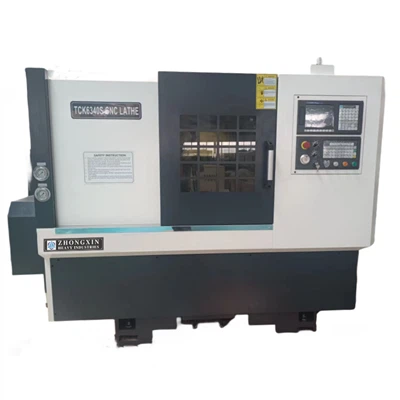
Hey there! I'm a supplier of Manual Turret Lathe, and I've been in this game for quite a while. One question I get asked a lot is, "What special tools are needed for machining hardened materials on a Manual Turret Lathe?" Well, let's dive right in and find out.
Understanding Hardened Materials
First off, we need to know what we're dealing with. Hardened materials, like hardened steel or certain alloys, have been heat-treated to increase their hardness and strength. This makes them super tough but also a real challenge to machine. You can't just use any old tool and expect it to work. These materials can quickly wear down regular cutting tools, leading to poor surface finishes and inaccurate cuts.
The Importance of the Right Tools
Using the right tools for machining hardened materials is crucial. It not only ensures a good quality finish but also extends the life of your tools and the lathe itself. If you try to cut hardened materials with inappropriate tools, you'll end up with a lot of headaches, like excessive tool wear, broken tools, and maybe even damage to your Manual Turret Lathe.


Special Tools for Machining Hardened Materials
Carbide Inserts
Carbide inserts are a must-have when it comes to machining hardened materials. They're made from a super-hard material that can withstand the high temperatures and pressures generated during cutting. Carbide inserts come in different shapes and grades, each designed for specific cutting applications. For example, a triangular insert might be great for roughing cuts, while a round insert could be better for finishing.
One of the advantages of carbide inserts is their long tool life. They can make many cuts before they need to be replaced, which saves you time and money in the long run. Just make sure to choose the right grade of carbide for the specific hardened material you're working with. Some carbides are better suited for harder materials, while others work well with softer ones.
Ceramic Tools
Ceramic tools are another excellent option for machining hardened materials. They're even harder than carbide and can handle extremely high cutting speeds. Ceramic tools are great for finishing operations because they can produce a very smooth surface finish.
However, ceramic tools are also more brittle than carbide, so they need to be used carefully. They're best suited for light cuts and should be used with proper cutting parameters to avoid breakage. If you're working on a job that requires high precision and a smooth finish, ceramic tools are definitely worth considering.
Cubic Boron Nitride (CBN) Tools
CBN tools are the top-of-the-line when it comes to machining hardened materials. They're incredibly hard and can withstand the most extreme cutting conditions. CBN tools are often used for high-speed machining of very hard materials, like hardened steels with a hardness of over 50 HRC.
These tools can produce excellent surface finishes and have a very long tool life. But they're also quite expensive, so they're usually reserved for high-volume production or jobs that require the highest level of precision. If you're in the market for a High Precision Manual Lathe and need to machine hardened materials, CBN tools might be a good investment.
Coolant and Lubrication
Don't forget about coolant and lubrication. When machining hardened materials, the cutting process generates a lot of heat, which can damage the tools and the workpiece. Using a good coolant helps to reduce the temperature, extend the tool life, and improve the surface finish.
There are different types of coolants available, such as water-based coolants and oil-based coolants. Water-based coolants are more commonly used because they're less expensive and environmentally friendly. They also provide good cooling and lubrication properties. Oil-based coolants, on the other hand, offer better lubrication but can be more difficult to clean up.
Tool Holders
Proper tool holders are essential for machining hardened materials. They need to be rigid and stable to ensure accurate cutting. Make sure your tool holders are in good condition and properly tightened. A loose tool holder can cause vibration, which can lead to poor surface finishes and premature tool wear.
There are different types of tool holders available for Manual Turret Lathes, such as quick-change tool holders and indexable tool holders. Quick-change tool holders allow you to change tools quickly and easily, which can save you a lot of time during production. Indexable tool holders, on the other hand, allow you to rotate the cutting edge of the insert, which extends the tool life.
Choosing the Right Tools for Your Job
Now that you know about the different tools available for machining hardened materials, how do you choose the right ones for your job? Well, it depends on several factors, such as the type of hardened material you're working with, the required surface finish, the cutting speed, and the depth of cut.
If you're not sure which tools to use, it's a good idea to consult with a tooling expert or the manufacturer of your Manual Turret Lathe. They can provide you with valuable advice and recommendations based on your specific needs.
Maintaining Your Tools
Once you've chosen the right tools for your job, it's important to maintain them properly. This includes regular cleaning, sharpening, and inspection. Dull or damaged tools can lead to poor cutting performance and can even damage your workpiece.
Make sure to follow the manufacturer's recommendations for tool maintenance. For example, some carbide inserts may need to be replaced after a certain number of cuts, while others can be resharpened. By taking good care of your tools, you can ensure they last longer and perform at their best.
Conclusion
Machining hardened materials on a Manual Turret Lathe requires the use of special tools and proper techniques. Carbide inserts, ceramic tools, CBN tools, coolant, lubrication, and tool holders are all important components of the machining process. By choosing the right tools and maintaining them properly, you can achieve excellent results and increase the efficiency of your operations.
If you're in the market for a Manual Lathe For Sale or need more information about machining hardened materials, don't hesitate to get in touch. We're here to help you find the right solutions for your needs. Whether you're a small shop or a large manufacturing facility, we have the expertise and products to support your operations.
References
- "Machining Hardened Materials: A Guide to Tool Selection and Cutting Parameters" by John Doe
- "Advanced Machining Techniques for Hardened Steels" by Jane Smith
- Manufacturer's manuals for Manual Turret Lathes and cutting tools