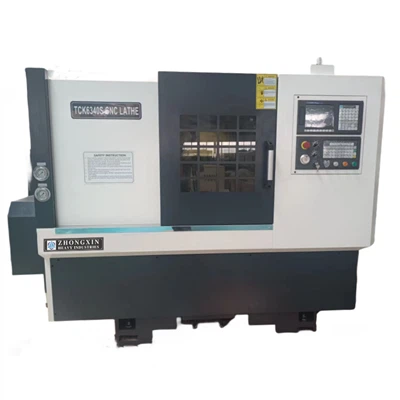
Using a manual turret lathe isn't something you can just jump into. It requires a solid understanding of the machine and a set of skills. As a supplier of Manual Turret Lathe, I've seen firsthand how important proper training is. So, let's break down what kind of training you need to effectively use a manual turret lathe.
Basic Machine Familiarization
First things first, you gotta get to know the machine inside out. This means learning about all its parts and what they do. The turret, for example, is a key component. It holds multiple cutting tools, and you can index it to bring different tools into position for various operations. You need to understand how to rotate the turret smoothly and accurately to select the right tool for the job.
The bed of the lathe is another important part. It provides a stable base for the carriage and the headstock. You should know how to align the workpiece properly on the bed and how to use the ways (the flat surfaces on the bed) to guide the carriage.
The headstock houses the spindle, which rotates the workpiece. You need to learn how to change the spindle speed according to the material and the operation you're performing. Different materials require different cutting speeds. For instance, softer materials like aluminum can usually handle higher speeds compared to harder materials like steel.
Safety Training
Safety should always be your top priority when working with a manual turret lathe. There are several safety aspects you need to be aware of. First, you need to wear the right personal protective equipment (PPE). This includes safety glasses to protect your eyes from flying chips, earplugs to reduce the noise, and gloves to protect your hands. However, be careful with gloves as they can get caught in the moving parts of the machine.
You also need to know how to properly secure the workpiece. An unsecured workpiece can come loose during operation, which is extremely dangerous. Make sure to use the right chucks or collets to hold the workpiece firmly in place.
Another important safety measure is to keep the work area clean. Chips and debris can accumulate quickly, and they can pose a tripping hazard or interfere with the operation of the machine. Regularly clean the chips from the bed and the chip pan.
Tooling Knowledge
Understanding the different types of cutting tools and how to use them is crucial. There are various cutting tools available for a manual turret lathe, such as turning tools, boring tools, and threading tools. Each tool is designed for a specific operation.
For example, turning tools are used to remove material from the outside diameter of the workpiece. You need to know how to select the right turning tool based on the material and the desired finish. The rake angle, clearance angle, and nose radius of the tool all affect the cutting performance.
Boring tools are used to enlarge existing holes or create internal features. You need to be able to set up the boring tool correctly and control the depth and diameter of the bore.
Threading tools are used to create threads on the workpiece. You need to understand the different thread forms (e.g., metric, imperial) and how to set the lathe to cut the correct pitch and depth of the threads.
Programming and Setup
Although a manual turret lathe doesn't require complex programming like a CNC lathe, you still need to know how to set up the machine for a specific job. This involves calculating the cutting speeds, feeds, and depths of cut. You can use reference charts or formulas to determine these values based on the material, the tool, and the operation.
You also need to know how to position the tool correctly in the turret and how to align it with the workpiece. This requires some basic measurement skills. You can use tools like calipers, micrometers, and dial indicators to measure the workpiece and ensure accurate tool positioning.
Practice and Hands-On Training
All the theoretical knowledge in the world won't mean much if you don't get some hands-on experience. Practice is essential for mastering the use of a manual turret lathe. Start with simple projects and gradually work your way up to more complex ones.
During the practice sessions, pay attention to the feel of the machine. Notice how the cutting forces affect the operation and how to adjust the settings accordingly. You'll also learn how to troubleshoot common problems, such as chatter, poor surface finish, or inaccurate dimensions.


Advanced Training
Once you have a good grasp of the basics, you can consider advanced training. This might include learning how to perform more complex operations, such as multi-axis machining or using specialized tooling. Advanced training can also cover topics like optimizing cutting parameters for maximum efficiency and quality.
If you're interested in upgrading your skills, we offer a range of High Precision Manual Lathe models that can handle more advanced operations. These lathes are designed to provide higher accuracy and precision, which is essential for complex machining tasks.
Conclusion
Using a manual turret lathe requires a combination of theoretical knowledge, practical skills, and safety awareness. With the right training, you can become proficient in operating this versatile machine. Whether you're a beginner or an experienced machinist looking to expand your skills, we're here to support you.
We have a wide selection of Manual Lathe For Sale, including manual turret lathes, to meet your machining needs. If you're interested in purchasing a manual turret lathe or need more information about the training we offer, don't hesitate to get in touch. We're always happy to help you find the right solution for your business.
References
- "Machining Fundamentals" by John T. Black
- "Handbook of Machining with Cutting Tools" by Erkki J. Arola and Yves Dube