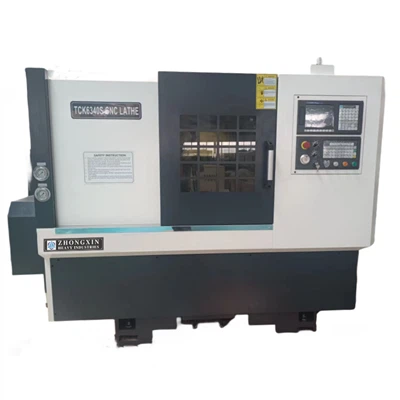
In the manufacturing industry, lathe machines play a pivotal role in shaping various materials into precise components. One crucial aspect that often goes unnoticed but significantly impacts the performance and longevity of lathe machines is the coolant used. As a reputable lathe machine supplier, I understand the importance of selecting the right coolant for different applications. In this blog post, I will delve into the various types of coolants used in lathe machines, their characteristics, and how they contribute to the overall machining process.
Types of Coolants Used in Lathe Machines
1. Water - Based Coolants
Water - based coolants are the most commonly used type in lathe machines. They are a mixture of water and various additives, which can be further classified into three sub - types:
- Soluble Oils: Soluble oils are made by emulsifying mineral oil in water with the help of an emulsifier. They offer excellent cooling properties due to the high specific heat capacity of water. The oil component provides lubrication, reducing friction between the cutting tool and the workpiece. Soluble oils are relatively inexpensive and easy to maintain. They are suitable for a wide range of materials, including ferrous and non - ferrous metals. For example, when machining mild steel on our Ck6150 CNC Lathe, soluble oils can effectively dissipate heat and prevent tool wear.
- Semi - Synthetic Fluids: Semi - synthetic fluids are a hybrid between soluble oils and synthetic coolants. They contain a lower percentage of oil (usually 5 - 30%) compared to soluble oils, along with synthetic additives. These coolants offer better corrosion protection and longer sump life than soluble oils. They also have good lubricity and cooling capabilities. Semi - synthetic fluids are often used in high - speed machining operations, such as in Large CNC Turning, where heat generation is significant.
- Synthetic Fluids: Synthetic coolants do not contain any oil. They are formulated with chemical additives dissolved in water. Synthetic fluids provide excellent cooling, corrosion protection, and resistance to bacterial growth. They are clear, which allows operators to have a better view of the machining process. However, they may have lower lubricity compared to oil - containing coolants. Synthetic fluids are ideal for precision machining of materials like aluminum and stainless steel, where a clean and precise finish is required.
2. Neat Cutting Oils
Neat cutting oils, also known as straight oils, are pure oils without any water content. They are typically made from mineral, vegetable, or animal oils, or a combination of them. Neat cutting oils offer superior lubrication, which is essential for reducing friction and wear on the cutting tool. They are particularly effective in heavy - duty machining operations, such as threading and gear cutting. However, they have poor cooling properties compared to water - based coolants. Neat cutting oils are also more expensive and may pose environmental and health risks if not properly managed. They are commonly used in applications where surface finish and tool life are of utmost importance, such as in the production of high - precision components on our Gantry Machining Center.
3. Gas - Based Coolants
Gas - based coolants, such as compressed air and nitrogen, are also used in some lathe machining operations. Compressed air is a simple and cost - effective coolant option. It can be used to blow away chips from the cutting area, reducing the chances of chip recutting and improving the surface finish. Nitrogen, on the other hand, is an inert gas that can be used in machining operations where oxidation needs to be minimized, such as in the machining of titanium alloys. Gas - based coolants are often used in combination with other coolants to enhance the overall machining performance.


Factors Affecting Coolant Selection
1. Material of the Workpiece
Different materials have different machining requirements. For example, ferrous metals like steel generate a significant amount of heat during machining, so coolants with good cooling properties are preferred. Non - ferrous metals, such as aluminum and copper, are more prone to adhesion and galling, so coolants with high lubricity are needed. When machining titanium alloys, coolants that can prevent oxidation and have good heat dissipation capabilities are essential.
2. Machining Operation
The type of machining operation also influences coolant selection. For roughing operations, where high material removal rates are required, coolants with excellent cooling properties are crucial to prevent tool overheating. In finishing operations, where surface finish is the main concern, coolants with good lubricity are preferred to reduce friction and achieve a smooth surface.
3. Tool Material
The material of the cutting tool also plays a role in coolant selection. Carbide tools, for example, are more heat - resistant than high - speed steel tools. However, they are also more brittle and can be prone to chipping. Coolants that can effectively dissipate heat and reduce thermal stress are beneficial for carbide tools. High - speed steel tools, on the other hand, require coolants with good lubricity to prevent wear.
Benefits of Using the Right Coolant
1. Extended Tool Life
The right coolant can significantly extend the life of the cutting tool. By reducing friction and heat, it minimizes tool wear and tear, allowing the tool to maintain its cutting edge for a longer time. This not only reduces tool replacement costs but also improves the overall productivity of the lathe machine.
2. Improved Surface Finish
Coolants with good lubricity can reduce the friction between the cutting tool and the workpiece, resulting in a smoother surface finish. This is particularly important in applications where a high - quality surface finish is required, such as in the production of automotive components and aerospace parts.
3. Enhanced Machining Accuracy
By controlling the temperature and reducing thermal expansion, the right coolant can improve the machining accuracy of the lathe machine. This is crucial in precision machining operations, where tight tolerances need to be maintained.
4. Reduced Chip Formation and Disposal Issues
Proper coolant selection can help in breaking chips into smaller pieces, making them easier to remove from the cutting area. This reduces the chances of chip recutting and improves the overall machining efficiency. Additionally, some coolants can also help in separating chips from the coolant, making chip disposal more manageable.
Conclusion
Selecting the right coolant for lathe machines is a critical decision that can have a significant impact on the performance, productivity, and cost - effectiveness of the machining process. As a lathe machine supplier, we understand the importance of providing our customers with the right advice on coolant selection. Whether you are using a Ck6150 CNC Lathe, engaging in Large CNC Turning, or utilizing a Gantry Machining Center, choosing the appropriate coolant can enhance your machining results.
If you are interested in learning more about our lathe machines or need assistance in selecting the right coolant for your specific application, we encourage you to contact us for a detailed discussion. Our team of experts is ready to provide you with the best solutions tailored to your needs.
References
- Boothroyd, G., & Knight, W. A. (2006). Fundamentals of machining and machine tools. CRC Press.
- Kalpakjian, S., & Schmid, S. R. (2013). Manufacturing engineering and technology. Pearson.
- Trent, E. M., & Wright, P. K. (2000). Metal cutting. Butterworth - Heinemann.