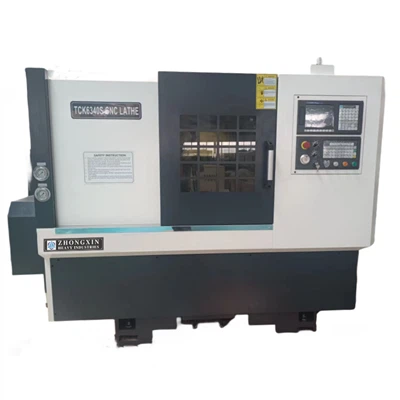
As a supplier of large lathe machines, I understand the critical role that cutting fluid plays in the performance and longevity of these powerful tools. Selecting the right cutting fluid is not just a matter of preference; it's a strategic decision that can significantly impact the quality of your machining operations, the lifespan of your equipment, and the overall efficiency of your production process. In this blog post, I'll share some insights on how to choose the right cutting fluid for a large lathe machine, drawing on my experience in the industry and the latest research in the field.


Understanding the Basics of Cutting Fluids
Before delving into the selection process, it's essential to understand what cutting fluids are and what they do. Cutting fluids, also known as coolants or lubricants, are substances used in machining operations to reduce friction and heat generated between the cutting tool and the workpiece. They also help to flush away chips and debris, prevent corrosion, and improve the surface finish of the machined part.
There are several types of cutting fluids available on the market, each with its own unique properties and applications. The most common types include:
- Water-based cutting fluids: These are the most widely used type of cutting fluid due to their excellent cooling properties, low cost, and environmental friendliness. Water-based cutting fluids can be further divided into emulsions, synthetic fluids, and semi-synthetic fluids.
- Straight oils: These are pure mineral oils or vegetable oils that provide excellent lubrication but have limited cooling capabilities. Straight oils are typically used in applications where lubrication is the primary concern, such as threading and tapping.
- Synthetic cutting fluids: These are formulated from synthetic chemicals and offer superior performance in terms of cooling, lubrication, and corrosion resistance. Synthetic cutting fluids are often used in high-speed machining operations and applications where tight tolerances are required.
- Semi-synthetic cutting fluids: These are a blend of synthetic and mineral oils, offering a combination of the benefits of both types of fluids. Semi-synthetic cutting fluids are versatile and can be used in a wide range of machining applications.
Factors to Consider When Choosing a Cutting Fluid
When selecting a cutting fluid for a large lathe machine, there are several factors to consider. These include:
- Machining operation: The type of machining operation you're performing will have a significant impact on the type of cutting fluid you need. For example, turning operations typically require a cutting fluid with good cooling properties, while threading and tapping operations require a fluid with excellent lubrication.
- Workpiece material: The material of the workpiece being machined will also influence your choice of cutting fluid. Different materials have different machining characteristics and require different types of cutting fluids to achieve optimal results. For example, aluminum alloys require a cutting fluid that is specifically formulated to prevent corrosion and improve surface finish, while stainless steel requires a fluid with high lubricity to reduce friction and prevent built-up edge.
- Cutting tool material: The material of the cutting tool being used is another important factor to consider. Different cutting tool materials have different heat resistance and wear characteristics, and require different types of cutting fluids to achieve optimal performance. For example, carbide cutting tools require a cutting fluid with good cooling properties to prevent thermal cracking, while high-speed steel tools require a fluid with excellent lubrication to reduce friction and wear.
- Machine tool design: The design of the large lathe machine itself can also affect the choice of cutting fluid. Some machines are designed to use specific types of cutting fluids, while others are more versatile and can use a wider range of fluids. It's important to consult the machine tool manufacturer's recommendations to ensure that you're using the right cutting fluid for your machine.
- Environmental considerations: In today's environmentally conscious world, it's important to consider the environmental impact of the cutting fluid you're using. Water-based cutting fluids are generally considered to be more environmentally friendly than straight oils, as they are biodegradable and have a lower impact on the environment. However, it's still important to choose a cutting fluid that is formulated to meet the relevant environmental regulations and standards.
Evaluating Cutting Fluid Performance
Once you've selected a cutting fluid based on the factors outlined above, it's important to evaluate its performance to ensure that it's meeting your needs. Some key performance indicators to consider include:
- Cooling efficiency: The ability of the cutting fluid to remove heat from the cutting zone is crucial for preventing tool wear and extending tool life. You can evaluate the cooling efficiency of a cutting fluid by monitoring the temperature of the cutting tool and the workpiece during machining.
- Lubrication performance: The lubrication properties of the cutting fluid are important for reducing friction and preventing built-up edge on the cutting tool. You can evaluate the lubrication performance of a cutting fluid by monitoring the surface finish of the machined part and the amount of chip formation.
- Corrosion protection: The cutting fluid should provide adequate protection against corrosion of the workpiece and the machine tool. You can evaluate the corrosion protection properties of a cutting fluid by performing a corrosion test on a sample of the workpiece material.
- Chip evacuation: The ability of the cutting fluid to flush away chips and debris from the cutting zone is important for preventing chip buildup and improving machining efficiency. You can evaluate the chip evacuation performance of a cutting fluid by monitoring the amount of chip accumulation on the cutting tool and the machine tool.
Choosing the Right Cutting Fluid Supplier
In addition to choosing the right cutting fluid for your large lathe machine, it's also important to choose the right cutting fluid supplier. A reliable supplier will be able to provide you with high-quality cutting fluids that are specifically formulated to meet your needs, as well as technical support and advice on how to use and maintain your cutting fluids.
When choosing a cutting fluid supplier, consider the following factors:
- Product quality: Look for a supplier that offers high-quality cutting fluids that are formulated using the latest technology and meet the relevant industry standards.
- Technical support: Choose a supplier that provides technical support and advice on how to choose, use, and maintain your cutting fluids. This can be especially helpful if you're new to using cutting fluids or if you're experiencing problems with your machining operations.
- Customer service: Look for a supplier that provides excellent customer service and is responsive to your needs. This can include providing prompt delivery, offering competitive pricing, and addressing any concerns or issues you may have.
- Environmental commitment: In today's environmentally conscious world, it's important to choose a supplier that is committed to sustainability and environmental responsibility. Look for a supplier that offers environmentally friendly cutting fluids and has a track record of reducing its environmental impact.
Conclusion
Choosing the right cutting fluid for a large lathe machine is a critical decision that can have a significant impact on the performance and longevity of your equipment, as well as the quality of your machining operations. By considering the factors outlined in this blog post and evaluating the performance of different cutting fluids, you can make an informed decision and choose the cutting fluid that is best suited to your needs.
If you're in the market for a large lathe machine or need help choosing the right cutting fluid for your existing equipment, please don't hesitate to contact me. I'm happy to provide you with more information and answer any questions you may have. You can also check out our Best Small Cnc Lathes, Lathe Milling Machine Combo 3 in 1, and Ck6140 CNC Lathe for more options.
References
- Boothroyd, G., & Knight, W. A. (2006). Fundamentals of machining and machine tools. CRC Press.
- Kalpakjian, S., & Schmid, S. R. (2009). Manufacturing engineering and technology. Pearson Prentice Hall.
- Trent, E. M., & Wright, P. K. (2000). Metal cutting. Butterworth-Heinemann.