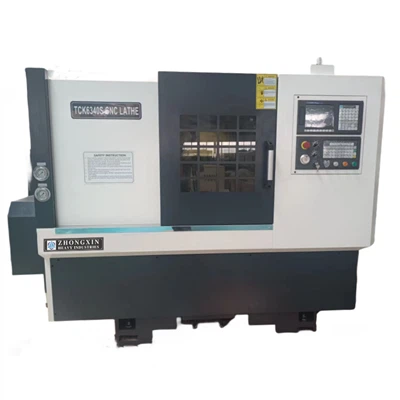
Making gears on a manual lathe is a skill that combines precision engineering with traditional machining techniques. As a supplier of manual lathes, I've witnessed firsthand the importance of understanding the process of gear manufacturing. In this blog post, I'll guide you through the steps of making gears on a manual lathe, highlighting the equipment we offer that can assist you in this intricate process.
Understanding the Basics of Gears
Before diving into the manufacturing process, it's essential to understand the fundamentals of gears. Gears are mechanical components with teeth that mesh with other gears to transmit power and motion. They come in various types, including spur gears, helical gears, bevel gears, and worm gears, each with its unique characteristics and applications.
The key parameters of a gear include the number of teeth, pitch diameter, module (or diametral pitch), pressure angle, and tooth profile. These parameters determine the gear's size, shape, and performance, and they must be carefully calculated and controlled during the manufacturing process.
Preparing the Manual Lathe
The first step in making gears on a manual lathe is to prepare the machine. Select a suitable Manual Lathe For Sale based on the size and complexity of the gears you plan to make. A high-quality manual lathe, such as our High Precision Manual Lathe, offers the accuracy and stability required for precise gear cutting.
Ensure that the lathe is properly leveled and calibrated. Check the alignment of the headstock, tailstock, and carriage, and make any necessary adjustments. Lubricate all moving parts and inspect the cutting tools for sharpness and wear.
Selecting the Right Material
The choice of material for gear manufacturing depends on the application and the required properties of the gear. Common materials include steel, cast iron, brass, and bronze. Steel is the most widely used material due to its high strength, durability, and wear resistance.
Select a material with the appropriate hardness and machinability. For example, if you're making gears for a high-speed application, you may choose a hardened steel alloy. If the gears will be used in a corrosive environment, a stainless steel or bronze material may be more suitable.
Cutting the Gear Blank
The first step in the gear manufacturing process is to cut the gear blank. The gear blank is a cylindrical piece of material that will be machined into the final gear shape. Use a cutting tool, such as a parting tool or a facing tool, to cut the gear blank to the desired diameter and length.
Mount the gear blank securely in the lathe chuck or between centers. Ensure that the blank is centered and aligned with the lathe axis. Use a dial indicator to check the runout and make any necessary adjustments.
Calculating the Gear Parameters
Once the gear blank is prepared, you need to calculate the gear parameters based on the desired specifications. Use a gear calculation formula or a gear design software to determine the number of teeth, pitch diameter, module, and other relevant parameters.
For example, the formula for calculating the pitch diameter (D) of a spur gear is:
D = m * z
where m is the module and z is the number of teeth.
The module is a measure of the size of the gear teeth and is defined as the ratio of the pitch diameter to the number of teeth. The diametral pitch (P) is another common parameter used in gear design and is the reciprocal of the module.

Cutting the Gear Teeth
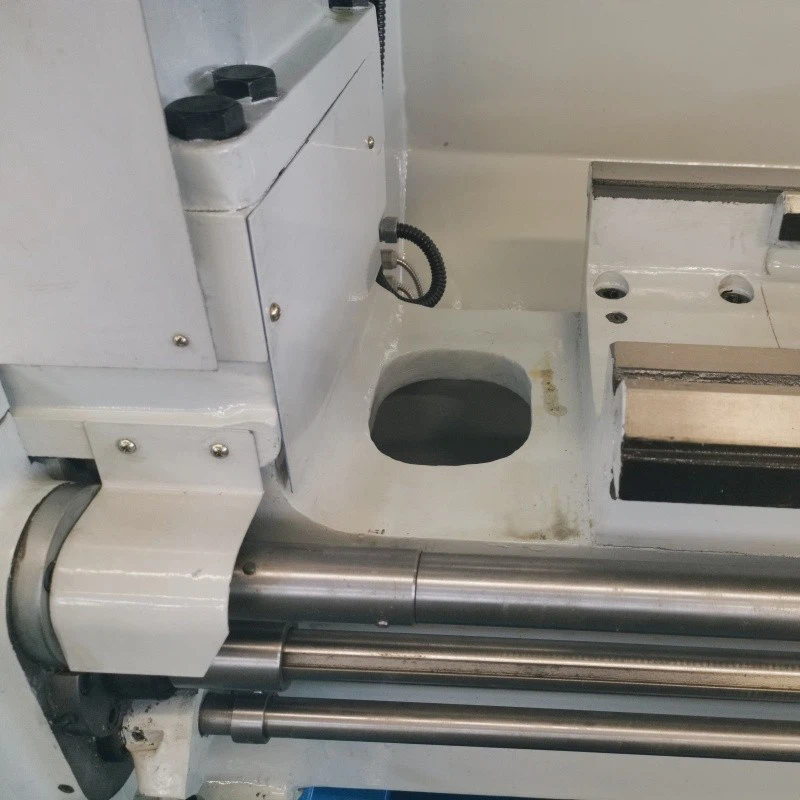
There are several methods for cutting gear teeth on a manual lathe, including hobbing, shaping, and milling. Each method has its advantages and limitations, and the choice of method depends on the type of gear, the number of teeth, and the available equipment.
Hobbing
Hobbing is a common method for cutting spur gears and helical gears. It involves using a hob, which is a special cutting tool with a series of teeth that mesh with the gear blank. The hob rotates while the gear blank is fed axially, cutting the teeth into the blank.
To hob gears on a manual lathe, you'll need a hobbing attachment. Mount the hobbing attachment on the lathe and install the appropriate hob. Set the cutting speed, feed rate, and depth of cut according to the gear specifications and the material being cut.
Shaping
Shaping is another method for cutting gear teeth. It involves using a shaping cutter, which is a single-point cutting tool that reciprocates vertically while the gear blank rotates. The shaping cutter removes material from the gear blank, creating the teeth.
To shape gears on a manual lathe, you'll need a shaping attachment. Mount the shaping attachment on the lathe and install the shaping cutter. Set the cutting speed, feed rate, and depth of cut according to the gear specifications and the material being cut.
Milling
Milling is a versatile method for cutting gear teeth, especially for bevel gears and worm gears. It involves using a milling cutter, which is a rotating cutting tool that removes material from the gear blank.
To mill gears on a manual lathe, you'll need a milling attachment. Mount the milling attachment on the lathe and install the appropriate milling cutter. Set the cutting speed, feed rate, and depth of cut according to the gear specifications and the material being cut.
Finishing the Gear
After cutting the gear teeth, the gear needs to be finished to improve its surface finish and accuracy. Use a finishing tool, such as a file or a grinding wheel, to remove any burrs or rough edges from the gear teeth.
Inspect the gear for any defects or errors. Check the tooth profile, pitch, and backlash to ensure that the gear meets the required specifications. If necessary, make any adjustments or corrections to the gear.
Quality Control
Quality control is an essential part of the gear manufacturing process. Use a variety of measuring tools, such as calipers, micrometers, and gear testers, to check the dimensions and accuracy of the gear.
Compare the measured values with the design specifications to ensure that the gear meets the required quality standards. If any deviations are found, take corrective action to bring the gear back into compliance.
Conclusion
Making gears on a manual lathe is a challenging but rewarding process that requires skill, precision, and patience. By following the steps outlined in this blog post and using the right equipment, such as our Manual Turret Lathe, you can produce high-quality gears that meet your specific requirements.
If you're interested in purchasing a manual lathe for gear manufacturing or have any questions about the process, please don't hesitate to contact us. Our team of experts is available to assist you with your gear manufacturing needs and help you find the right equipment for your application.
References
- "Machinery's Handbook," Industrial Press Inc.
- "Gear Design and Application," Dudley, D. W.
- "Modern Manufacturing Processes," Kalpakjian, S. and Schmid, S. R.