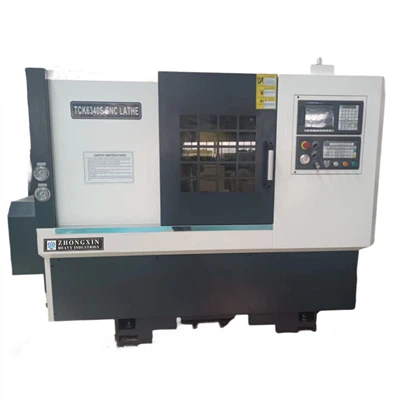
As a trusted supplier of Horizontal CNC Lathe Machines, I understand the importance of a proper installation process. A well - installed horizontal CNC lathe machine ensures optimal performance, longevity, and safety. In this blog, I'll guide you through the step - by - step process of installing a horizontal CNC lathe machine.
Pre - installation Preparations
Before you even start unpacking the machine, there are several crucial preparatory steps to take.
Site Selection
The first step is to choose an appropriate location for your lathe. The site should be flat, with a deviation of no more than 0.5mm per square meter. A flat surface is essential to prevent the machine from vibrating during operation, which can lead to poor machining accuracy and premature wear of components.
The area should also be well - ventilated. CNC lathe machines generate heat during operation, and proper ventilation helps dissipate this heat, preventing overheating of the machine's electrical and mechanical components. Additionally, the site should be away from sources of excessive dust, moisture, and corrosive substances. These elements can damage the sensitive electronic parts and the machine's structure over time.
Power Supply
Ensure that the power supply at the installation site meets the machine's requirements. Check the voltage, frequency, and phase of the power source. Most horizontal CNC lathe machines require a stable three - phase power supply. Any fluctuations in the power supply can cause malfunctions in the CNC control system, leading to machining errors or even damage to the machine. It's also advisable to install a suitable circuit breaker and grounding system to protect the machine and the operators from electrical hazards.
Machine Inspection
Once you've selected the site and ensured the power supply is ready, carefully inspect the machine upon arrival. Check for any visible damage during transportation, such as dents, scratches, or loose parts. Compare the delivered parts with the packing list to make sure nothing is missing. If you find any issues, contact the shipping company and our support team immediately.
Unpacking and Assembly
Unpacking
Use appropriate tools to carefully unpack the machine. Follow the unpacking instructions provided in the user manual. Be gentle with the components, especially the precision parts, to avoid any accidental damage. Keep all the packing materials and documentation in a safe place as they may be needed for future reference.
Assembly
- Base Installation: Start by installing the base of the lathe on the prepared site. Use leveling bolts to adjust the height and ensure the base is perfectly horizontal. You can use a spirit level to check the horizontality. Once the base is leveled, tighten the leveling bolts securely.
- Bed Installation: Place the bed on the base. Align the bed with the base accurately using the alignment pins or marks provided. Secure the bed to the base using the specified bolts and nuts. Make sure the connection is tight to prevent any movement during operation.
- Headstock and Tailstock Installation: Install the headstock and tailstock on the bed. The headstock houses the main spindle, which is the heart of the lathe. Align the headstock and tailstock precisely to ensure the workpiece can be held and rotated accurately. Use the alignment tools provided in the machine kit to achieve the correct alignment.
- Tool Turret Installation: Mount the tool turret on the carriage. The tool turret holds the cutting tools and allows for automatic tool changes. Connect the hydraulic or electrical lines to the tool turret according to the wiring diagram. Make sure all the connections are secure and properly insulated.
Electrical and Hydraulic Connections
Electrical Connections
- Control Cabinet Connection: Connect the control cabinet to the machine's electrical components. The control cabinet houses the CNC control system, which controls the movement and operation of the lathe. Follow the wiring diagram carefully to connect the power cables, signal cables, and sensor cables.
- Motor Connection: Connect the main spindle motor, feed motors, and other auxiliary motors to the control system. Check the motor's wiring for any loose connections or incorrect polarity. Incorrect motor wiring can cause the motor to run in the wrong direction or not start at all.
- Sensor Installation: Install the various sensors on the machine, such as limit sensors, proximity sensors, and temperature sensors. These sensors provide feedback to the control system, ensuring the safe and accurate operation of the lathe. Connect the sensor cables to the appropriate ports in the control cabinet.
Hydraulic Connections
If your horizontal CNC lathe machine is equipped with a hydraulic system, connect the hydraulic hoses to the hydraulic pump, valves, and actuators. Check for any leaks in the hydraulic connections. A hydraulic leak can not only reduce the efficiency of the machine but also pose a safety hazard.
Machine Alignment and Calibration
Spindle Alignment
The alignment of the main spindle is crucial for the accuracy of the machining process. Use a dial indicator to check the run - out of the spindle. The run - out should be within the specified tolerance range. If the run - out is out of tolerance, adjust the spindle bearings or the mounting position of the headstock to correct it.
Tool Turret Calibration
Calibrate the tool turret to ensure accurate tool positioning. Use the calibration tools provided by the manufacturer to set the correct tool height and position. The calibration process may involve adjusting the tool turret's indexing mechanism and the tool holders.
Axis Calibration
Calibrate the X - axis and Z - axis of the lathe. Use a laser interferometer or a ball bar to measure the positioning accuracy and repeatability of the axes. Adjust the axis drives and the mechanical components to achieve the required accuracy.


Testing and Commissioning
Dry Run
Before starting the actual machining process, perform a dry run of the machine. This involves running the machine without a workpiece to check the movement of the axes, the operation of the tool turret, and the functionality of the control system. During the dry run, listen for any abnormal noises or vibrations. If you detect any issues, stop the machine immediately and troubleshoot the problem.
Cutting Test
Once the dry run is successful, perform a cutting test. Select a suitable workpiece and cutting tool. Program the CNC control system to perform a simple machining operation, such as turning a cylindrical surface. Check the quality of the machined surface, including the dimensional accuracy and the surface finish. If the results are not satisfactory, adjust the machining parameters or the machine settings accordingly.
Maintenance and Support
After the successful installation and commissioning of the horizontal CNC lathe machine, it's important to establish a regular maintenance schedule. This includes cleaning the machine, lubricating the moving parts, and checking the electrical and hydraulic systems.
As a supplier, we offer comprehensive support services. If you encounter any problems during the installation, operation, or maintenance of the machine, our experienced technical team is ready to assist you. We also provide training programs for your operators to ensure they can use the machine safely and efficiently.
If you're interested in our Small CNC Lathe with Live Tooling, Horizontal Slant Bed Lathe, or Precision CNC Lathe, or if you have any questions about the installation process, feel free to contact us for a detailed discussion and procurement negotiation.
References
- Manufacturer's Installation Manual for Horizontal CNC Lathe Machines
- Industry Standards for CNC Machine Installation and Commissioning
- Technical Papers on CNC Machine Alignment and Calibration