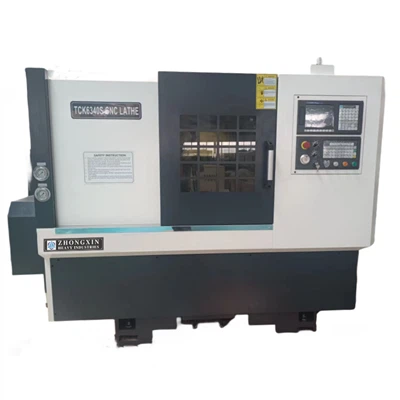
Hey there! As a supplier of New Vertical Lathes, I've seen my fair share of common problems that users run into. In this blog, I'll walk you through how to troubleshoot these issues step by step.
1. Electrical Issues
One of the most common problems with a New Vertical Lathe is electrical glitches. If your lathe isn't powering on, the first thing you should do is check the power supply. Make sure the lathe is properly plugged into a working outlet. Sometimes, a tripped circuit breaker or a blown fuse can be the culprit. Head over to your electrical panel and see if any breakers have been tripped. If so, flip them back to the "on" position. If you suspect a blown fuse, you'll need to replace it with a fuse of the same rating.
Another electrical issue could be with the control panel. If you're getting error messages or the controls aren't responding, it might be due to a loose connection. Open up the control panel (make sure to power off the lathe first!) and check all the wiring. Look for any loose wires or connectors and tighten them up. If you're still having problems, it could be a more serious issue with the control board itself. In that case, it's best to contact a professional technician.
2. Spindle Problems
The spindle is the heart of the lathe, and any issues with it can really throw off your machining operations. One common problem is spindle vibration. This can be caused by a few different things. First, check if the workpiece is properly mounted on the spindle. An unbalanced workpiece can cause the spindle to vibrate. Make sure the workpiece is centered and tightened securely.
If the workpiece is fine, the problem could be with the spindle bearings. Over time, the bearings can wear out, causing vibration. You can try lubricating the bearings according to the manufacturer's instructions. If that doesn't work, it might be time to replace the bearings. This is a more complex repair, so it's usually best to have a professional do it.
Another spindle issue is a lack of speed control. If the spindle isn't running at the correct speed, check the speed control settings on the control panel. Make sure they're set correctly. If the settings are fine, there could be a problem with the speed control motor or the drive system. Again, this is a job for a technician.
3. Tooling and Cutting Problems
Poor cutting performance is another common complaint. If you're getting rough cuts or the tool isn't cutting properly, there are a few things to check. First, examine the cutting tool. Is it dull or damaged? A dull tool won't cut efficiently and can cause rough surfaces. Replace the tool if necessary.
Next, check the tool's alignment. The tool should be properly aligned with the workpiece for optimal cutting. Use a tool alignment gauge to make sure the tool is at the correct height and angle.
The cutting parameters also play a big role in cutting performance. Make sure you're using the correct feed rate, spindle speed, and depth of cut for the material you're working with. Refer to the lathe's manual or online resources for recommended cutting parameters.
4. Coolant System Issues
The coolant system is important for keeping the cutting tool cool and flushing away chips. If you're having problems with the coolant system, it can affect the quality of your cuts. One common issue is a clogged coolant line. Check the coolant lines for any blockages. You can usually clear a blockage by flushing the line with clean water.
Another problem is a low coolant level. Make sure the coolant reservoir is filled to the appropriate level. If the coolant is dirty or contaminated, it can also cause problems. Replace the coolant according to the manufacturer's recommendations.
5. Mechanical Issues
There are also some general mechanical issues that can occur with a New Vertical Lathe. For example, the ways (the guide rails on which the carriage moves) can become dirty or worn. This can cause the carriage to move unevenly or stick. Clean the ways regularly and lubricate them according to the manual.


The lead screw and feed rod can also experience problems. Check for any signs of wear or damage. If they're not functioning properly, it can affect the accuracy of your cuts. In some cases, they may need to be replaced.
When to Seek Professional Help
While many of these problems can be fixed with a little troubleshooting, there are times when it's best to call in a professional. If you're not comfortable working with electrical systems, for example, or if you're dealing with a complex mechanical issue, it's better to let an expert handle it. A professional technician has the knowledge and tools to diagnose and repair the problem quickly and safely.
Conclusion
Troubleshooting common problems of a New Vertical Lathe doesn't have to be a headache. By following these steps, you can often identify and fix the issues on your own. Remember to always refer to the lathe's manual for specific instructions and safety guidelines.
If you're in the market for a New Vertical Lathe or need replacement parts for your existing one, we're here to help. Our New Vertical Lathe is top-of-the-line, offering high precision and reliability. We also have a wide range of other lathe machines, like the Horizontal Slant Bed Lathe and the Ck6140 CNC Lathe.
If you have any questions or are interested in purchasing a lathe, don't hesitate to reach out. We're happy to assist you with your procurement needs and answer any technical questions you might have.
References
- Lathe Operator's Manual (New Vertical Lathe Manufacturer)
- Machining Handbook for Common Lathe Problems