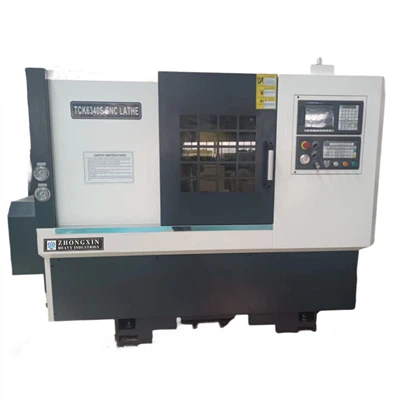
Hey there! As a supplier of the Ck6130 CNC Lathe, I often get asked about the accuracy of its facing operation. In this blog, I'm gonna break down what that accuracy means, the factors that affect it, and why it matters for your machining projects.
Understanding the Facing Operation
First off, let's talk about what facing is. Facing is a machining process where the end of a workpiece is cut flat. It's a crucial step in many manufacturing processes because it sets the reference surface for other operations. The Ck6130 CNC Lathe is a popular choice for facing operations due to its precision and reliability.
When you're using the Ck6130 for facing, you're aiming for a smooth, flat surface with a high degree of accuracy. This accuracy is measured in terms of surface finish and dimensional tolerance. Surface finish refers to how smooth the cut surface is, while dimensional tolerance is the allowable deviation from the desired dimensions.
Factors Affecting the Accuracy of Facing Operation
Tooling
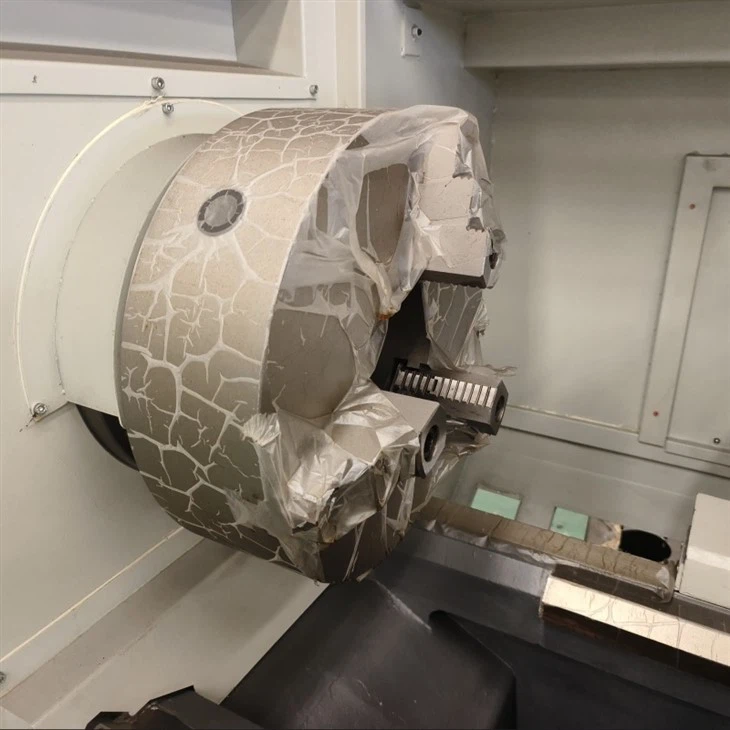
The quality of the cutting tool plays a huge role in the accuracy of the facing operation. A sharp, high - quality tool will produce a better surface finish and more accurate dimensions. Dull tools can cause chatter, which leads to a rough surface and inconsistent dimensions. For the Ck6130, it's important to use the right type of tool for the material you're working with. You can find a great selection of CNC Lathe Chucks that are suitable for the Ck6130, which can hold the tool firmly and ensure precise cutting.
Machine Condition
The overall condition of the Ck6130 CNC Lathe also affects the accuracy of facing. Things like worn bearings, loose belts, or misaligned components can all lead to inaccuracies. Regular maintenance is key to keeping the machine in top shape. This includes lubricating moving parts, checking and adjusting the alignment, and replacing worn - out components. A well - maintained Ck6130 will be able to achieve much higher accuracy in facing operations.
Cutting Parameters
Cutting parameters such as cutting speed, feed rate, and depth of cut have a significant impact on the accuracy of facing. If the cutting speed is too high, it can cause the tool to wear out quickly and produce a poor surface finish. On the other hand, if the feed rate is too slow, it can be time - consuming and may not give the desired accuracy. Finding the right balance of these parameters is essential. You can experiment with different settings based on the material and the requirements of your project.

Workpiece Material
Different materials have different properties, which can affect the accuracy of facing. For example, hard materials like stainless steel may require a different cutting strategy compared to softer materials like aluminum. The hardness, ductility, and thermal conductivity of the material all play a role. You need to adjust the cutting parameters and tooling accordingly to achieve the best accuracy when facing different materials.
Measuring the Accuracy of Facing Operation
Surface Finish Measurement
There are several ways to measure the surface finish of the faced surface. One common method is using a surface roughness tester. This device measures the microscopic irregularities on the surface and provides a numerical value for the surface roughness. A lower value indicates a smoother surface. For most precision machining applications, a surface roughness of around 0.8 - 3.2 micrometers is desirable.
Dimensional Tolerance Measurement
To measure the dimensional accuracy, you can use tools like calipers, micrometers, or coordinate measuring machines (CMMs). Calipers and micrometers are handheld tools that can provide quick and relatively accurate measurements of the workpiece dimensions. CMMs, on the other hand, are more advanced and can provide highly accurate 3D measurements. They are often used for high - precision applications where tight dimensional tolerances are required.
Why Accuracy Matters in Facing Operation
Product Quality
Accurate facing is essential for ensuring the quality of the final product. A smooth, flat surface provides a good base for subsequent machining operations and can improve the fit and function of the parts. For example, in the automotive industry, accurate facing of engine components is crucial for proper assembly and performance.
Cost - Efficiency
Achieving high accuracy in facing operations can also lead to cost - savings. When the dimensions are accurate, there is less need for rework or scrap. This reduces the overall production cost and increases the efficiency of the manufacturing process. Additionally, a good surface finish can reduce the need for additional finishing operations, further saving time and money.
The Ck6130's Capabilities in Facing Accuracy
The Ck6130 CNC Lathe is designed to provide high accuracy in facing operations. It has a rigid structure that minimizes vibration, which is essential for achieving a smooth surface finish. The CNC control system allows for precise control of the cutting parameters, enabling operators to achieve the desired dimensional accuracy.
With proper tooling and maintenance, the Ck6130 can achieve surface roughness values within the range required for most industrial applications. It can also hold tight dimensional tolerances, making it suitable for a wide range of machining projects. Whether you're working on small - scale prototypes or large - scale production runs, the Ck6130 can deliver the accuracy you need.
Our Offerings
As a supplier of the Ck6130 CNC Lathe, we offer a range of related products and services. In addition to the lathe itself, we also provide Lathe Milling Machine Combo 3 in 1 which can expand the capabilities of your machining setup. We also have access to a wide selection of Precision CNC Lathe tools and accessories to help you achieve the best results in your facing operations.
Contact Us for Procurement
If you're interested in purchasing a Ck6130 CNC Lathe or any of our other products, or if you have any questions about the accuracy of facing operations, don't hesitate to reach out. We're here to help you make the right choice for your machining needs. Whether you're a small - business owner or part of a large manufacturing company, we can provide the support and expertise you need.
References
- "CNC Machining Handbook"
- "Manufacturing Engineering and Technology" by Serope Kalpakjian and Steven Schmid
- Industry standards and guidelines for CNC lathe operations