


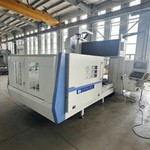


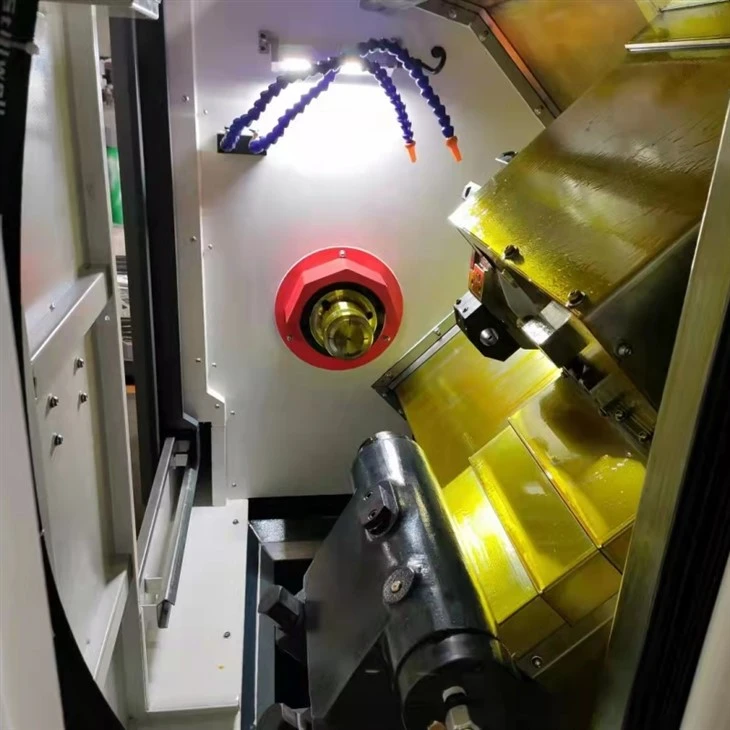


Precision CNC Lathe
What is Precision CNC Lathe?
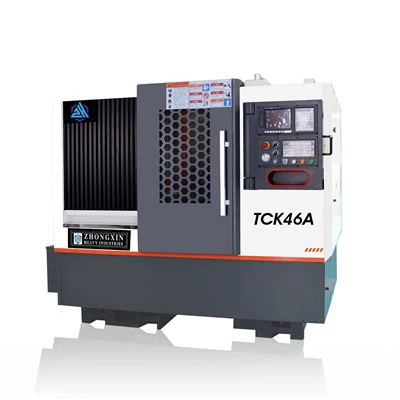
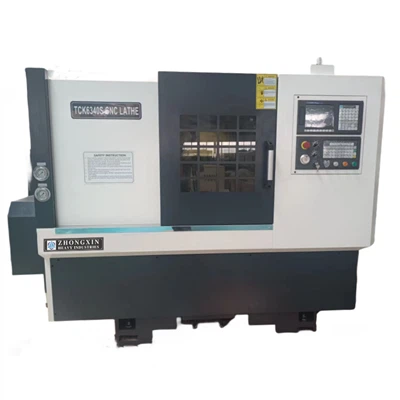
A precision CNC lathe is a machine tool that uses computer numerical control (CNC) to perform precision machining. CNC lathes are versatile machines that can perform a variety of operations, such as turning and facing.
Why Choose Us
Compliant With Standards
Most of our products comply with CE and EAC standards
OEM and ODM Orders
We also accept OEM and ODM orders and look for agents around the world
Excellent Service
Dedicated to producing higher intelligence, higher quality machine tools, and excellent after-sales service
High Quality Service
Make machines simpler, smarter, and smarter, always online, always with you, always serving you.

A CNC machine tool is a processing machine that utilizes a CNC system to operate the machine tool for processing actions. Unlike ordinary machine tools, CNC machine tools do not need to manually manufacture replacement molds and fixtures, no need for frequent manual adjustment of the machine tool

CNC lathe clamping device, chuck is *, although now there is a pneumatic chuck, but the pneumatic chuck is limited to small pieces of rapid processing, chuck naturally become irreplaceable products.

CK6150 CNC lathe Integral arch and bridge type body, one-piece molding structure is stable and rigid, standard equipped with manual tail stock and 250 manual chuck

Frequency conversion step less speed regulation
With servo system
Four position electric turret

CK6132 CNC lathe is mainly used for processing all kinds of shaft and disk parts, can turn all kinds of threads, arcs, cones and internal and external surfaces of rotating bodies, and can meet the speed demand of high-speed chip-cutting of ferrous and non-ferrous metals.

CNC Turning And Milling Center
The workpiece should be clamped with pressure plate, screws or tools. The use of a stream of wrenches are not allowed to add casing, so as not to slip off injuries;

The use of horizontal cnc lathe machine can be said to be very common, in various industries and fields can see its figure. It plays a very important role in the construction of modernization. And with the improvement of people's needs, the requirements for it are also higher and higher. With the development of science and technological progress, the new CNC machine tools were born.
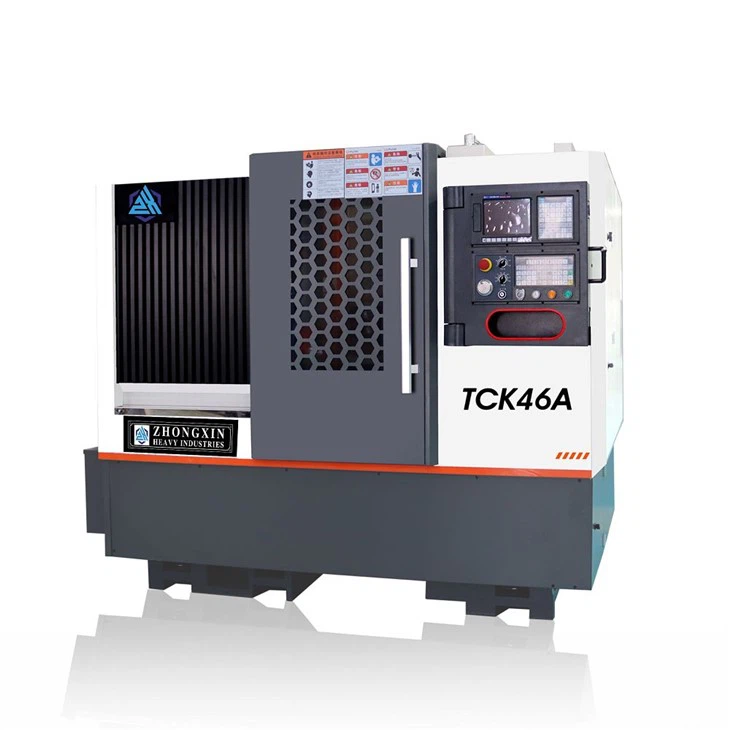
In modern industrial production, all types of lathes are *. Since the bed of horizontal slant bed lathe is inclined and has a large bearing section, it has good rigidity and vibration damping, and can ensure high-precision machining.

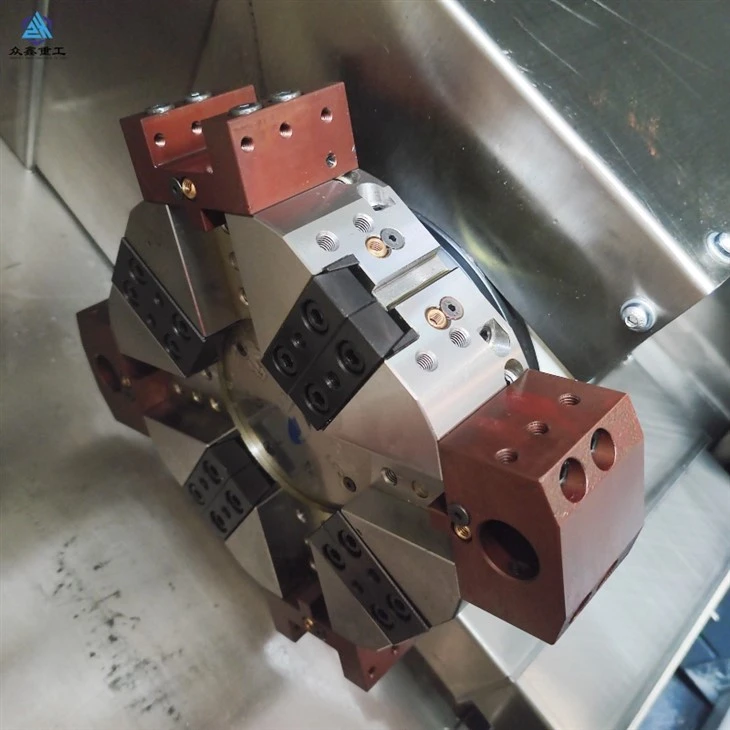
This drum type tool magazine structure is simple, more applications, suitable for less capacity of the tool magazine. In order to increase the utilization rate of the tool magazine space.
Getting into the inner workings of a CNC lathe uncovers a balance of computerized control and precision engineering. Different from a manual lathe, where the handiwork lies mainly in the hands of its operator, a CNC lathe incorporates computerized technology to improve precision and proficiency.
Design Phase: To begin with, you, the operator, creates a meticulous design utilizing CAD (Computer-Aided Design) software. This design comprises of all specifications for the desired piece, from shapes to dimensions.
Programming: Your CAD design is then converted into G-code, the programming language that the CNC machine understands. This code gives instructions to the CNC lathe on how to move, shape, and create the piece.
Setup: After that, you configure the CNC lathe. This involves choosing and installing the proper cutting tools and fastening the workpiece onto the machine.
Machining Process: The CNC lathe, activated by the G-code, starts the machining process. The workpiece is spun at high speed while the cutting tool is moved across two or more axis to shape the piece.
Quality Inspected: During the process, the CNC lathe oversees the cutting environments and makes real-time modifications to guarantee precision. The final piece is inspected against the original specifications for preciseness.
Benefits of Owning a Precision CNC Lathe
Increases Production Speed
In the era, where manufacturers are competing against each other to improve their time-to-market capabilities, owning a Precision CNC Lathe is an advantage. These machines are connected to computers that use animated drawings to interpret requirements and works accordingly. Furthermore, these equipment are designed to work for 24 hours.
Improves Quality of Work
As the machines are operated by computers, they are less likely to create mistakes. Businesses can easily save overhead costs that are incurred while correcting mistakes created by employees. Also, there are minimal chances of rejection from customers. This translates into satisfied customers who love to associate with a business that provides them error-free products.
Increases ROI
Along with reducing overhead costs, precision machining helps reduce several operational costs. This may include additional salary benefits demanded by human employees. Also, unlike other automated machines, precision machines don't require any additional parts. Businesses can easily utilize this money in other areas like customer acquisition, supply chain management, etc. With a considerable amount of money to spend on a business growth, companies can easily find ways to meet individual requirements of their customers. Thus, precision machining helps increase ROI without any additional investment.
Reduce Carbon Footprint
Today, businesses are keen to reduce their carbon footprint. Generally, waste comes in the form of wasted resources, loss of materials, hemorrhaging cash, etc. Precision machining helps them save in all these areas. It utilizes software programming, which ensures every piece of a material is utilized appropriately. This reduced waste translates into a successful company.
Basic Components Of Precision Cnc Lathe
Main Body Of Machine Tool
The main body of the machine tool is the mechanical component of the CNC lathe, which mainly includes the bed, base, columns, beams, slides, worktable, spindle box, feed mechanism, tool holder and automatic tool changer. It is a mechanical part that automatically completes various cutting processes on CNC machine tools.
Control part
The control part is the core of the CNC lathe. It generally includes a special computer, liquid crystal display, control panel and strong current control system (including machine tool printed circuit board circuit, screen display, keyboard, paper tape TAPE, magnetic tape, drive circuit, etc.) input to the control part The program instructions recorded on the information carrier are received by the program reading device, or directly manually input by the keyboard of the control part.
Driving device
At present, the commonly used drive devices for CNC machine tools are mainly divided into four types: servo motor drive device, stepper motor drive device, DC motor drive device, and AC servo motor drive device.
1.Servo motor drive device. It has the characteristics of simple structure, high positioning accuracy, high power output and wide speed range. It is widely used in CNC machine tools with high processing quality requirements and frequent movements, especially CNC milling machines, CNC lathes, etc.;
2. Stepper motor drive device has many advantages such as high precision and stable low-speed drive. This kind of drive device realizes the position and control speed of the machine tool axis by controlling the distance and frequency of each step of the motor, thereby accurately controlling the motion state of the machine tool. Stepper motor drives are commonly used in CNC machine tools that require higher precision and lower speeds (such as printing machines and winding machines)
3. DC motor drive device. It has the advantages of simple structure and excellent speed regulation performance. The speed and torque control of the motor is usually achieved by converting DC voltage. It is suitable for CNC machine tools with large speed changes and high precision requirements, such as CNC drilling machines, CNC boring machines, etc.
4. AC servo motor drive device. This is a drive device that integrates a servo motor and a frequency converter. It has the characteristics of compact structure, fast response speed, and smooth operation. The AC servo motor drive device realizes motor speed and position control by controlling the power frequency and phase difference. It is suitable for high-precision, high-speed CNC grinders, CNC machining centers, etc.
Auxiliary devices
Auxiliary devices are some supporting components on CNC lathes. The tool setter (full name is tool presetter) is used to measure and/or adjust the cutting edges of various machining centers and CNC machine tools with axial boring and milling cutters during off-machine presetting. Radial and axial size measuring instruments), lubrication, hydraulic and pneumatic devices, cooling systems and chip removal devices, etc.;
Tips for Maintenance of Precision CNC Lathe
The heart of any CNC machine shop lies in the productivity of its machine tools. Regular maintenance routines contribute to the optimal functioning of CNC lathe machines, ensuring they operate at peak efficiency. This, in turn, translates to heightened overall productivity.
Systematic and timely maintenance rituals serve as a protective shield against machine and production downtimes. By minimizing disruptions, your company can experience a continuous workflow, amplifying overall profitability.
Regular maintenance is an investment that pays off in the long run. By preemptively addressing issues during scheduled maintenance, you can avoid unexpected breakdowns that might result in hefty repair costs. This foresighted approach aligns with prudent financial management practices, ensuring operational stability.
Treating CNC lathe machines with consistent care and attention prevents wear and tear and extends their operational lifespan. This strategic longevity can be a pivotal factor in optimizing return on investment by delaying the need for frequent replacements.
CNC lathe machines, when well-maintained, exhibit precision in material processing. This precision directly reduces material wastage, a crucial aspect of cost-effectiveness and sustainability initiatives.
Preventing crashes and accidents is a pivotal outcome of regular maintenance. This proactive approach minimizes potential hazards, creating a safer working environment for machine operators. The mitigation of risks aligns with industry standards and safeguards the well-being of your workforce.
Certifications


Our Factory
We have a general investment of 300 million yuan and covers an area of more than 120 thousand square meters, has more than one hundred sets of advanced equipment, annual production capacity over 3600 sets of machines, comprising more than thirty-five types and over fifty models. As a professional CNC lathe machine, CNC Veritical machining center, CNC gantry machine, band saw machine, bending machine supplier, We have dedicated ourselves to the field of machine tool manufacturing, we have built a modern quality management system which is in strict accordance with international standards, committed to produce a higher intelligent and higher quality machines and good after-sales services. We have exported our machines to more than 50 countries such as Russia, Belarus, East Europe, Egypt, Algeria, South Africa, Indonesia, Vietnam, Argentina, Mexico. We are also taking OEM & ODM orders and looking for agents all over the world, most of our products have got CE & EAC standards. Welcome to ZHONGXIN and establish a good cooperation and create a bright future together. ZHONGXIN, make the machines more easier, intelligent, and smarter, always online, always with you, and always for you!

FAQ
Hot Tags: precision cnc lathe, China precision cnc lathe manufacturers, suppliers, factory, cnc lathe for display panel machining, cnc lathe for fuel cell component machining, cnc lathe for medical implant machining, Lathe Milling Machine Combo 3 in 1, cnc lathe for surface finish improvement in machining, cnc lathe for photovoltaic component machining
Previous
Swiss Turn LatheYou Might Also Like



Send Inquiry