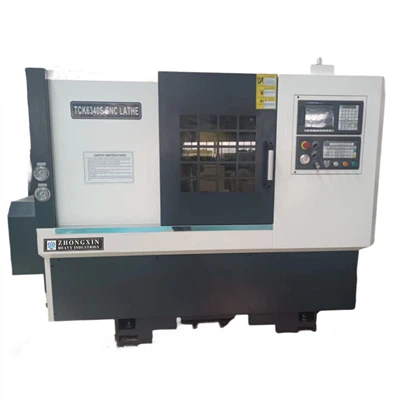
In the realm of modern manufacturing, Computer Numerical Control (CNC) lathe machines stand as cornerstones of precision and efficiency. As a dedicated supplier of CNC lathe machines, I've witnessed firsthand the transformative impact these machines have on various industries. One critical aspect that often goes unnoticed but plays a pivotal role in the performance of a CNC lathe is chip management. In this blog post, I'll delve into what chip management in a CNC lathe machine entails, why it's so important, and how proper chip management can enhance the overall productivity of your manufacturing operations.
What is Chip Management in a CNC Lathe Machine?
Chip management in a CNC lathe machine refers to the process of controlling and removing the chips generated during the machining process. When a CNC lathe cuts into a workpiece, it creates chips of various shapes and sizes. These chips can range from long, stringy shavings to short, broken fragments, depending on the material being machined, the cutting tool, and the cutting parameters.
The primary goal of chip management is to ensure that these chips do not interfere with the machining process. If chips are not properly managed, they can cause a host of problems, including:
- Tool wear: Chips can get caught between the cutting tool and the workpiece, causing excessive wear on the tool. This not only reduces the tool's lifespan but also affects the quality of the machined surface.
- Surface finish: Accumulated chips can scratch or mar the surface of the workpiece, leading to poor surface finish and dimensional inaccuracies.
- Machine damage: Long, stringy chips can wrap around the cutting tool, the spindle, or other moving parts of the machine, causing mechanical damage and potentially leading to costly repairs.
- Safety hazards: Flying chips can pose a safety risk to operators, causing eye injuries or other accidents.
Key Components of Chip Management
Effective chip management in a CNC lathe machine involves several key components, each playing a crucial role in ensuring the smooth and efficient removal of chips.
Cutting Tools
The choice of cutting tool is one of the most important factors in chip management. Different cutting tools are designed to produce different chip shapes and sizes. For example, a sharp, high-speed steel tool may produce long, continuous chips, while a carbide insert with a chip breaker can break the chips into smaller, more manageable pieces.
When selecting a cutting tool, it's important to consider the material being machined, the cutting parameters, and the desired chip shape. A well-designed cutting tool can significantly improve chip control and reduce the risk of chip-related problems.


Coolant Systems
Coolant systems are another essential component of chip management. Coolant serves several purposes in a CNC lathe machine, including:
- Lubrication: Coolant reduces friction between the cutting tool and the workpiece, improving tool life and surface finish.
- Heat dissipation: Machining generates a significant amount of heat, which can damage the cutting tool and the workpiece. Coolant helps to dissipate this heat, preventing thermal damage.
- Chip flushing: Coolant can be used to flush chips away from the cutting area, preventing them from accumulating and causing problems.
There are several types of coolant systems available, including flood coolant, mist coolant, and through-tool coolant. The choice of coolant system depends on the specific requirements of the machining operation, such as the type of material being machined, the cutting speed, and the depth of cut.
Chip Conveyors
Chip conveyors are used to remove chips from the machine and transport them to a collection bin or disposal area. There are several types of chip conveyors available, including chain conveyors, belt conveyors, and screw conveyors.
Chain conveyors are commonly used in CNC lathe machines because they are durable, reliable, and can handle a wide range of chip sizes and shapes. Belt conveyors are ideal for transporting small, lightweight chips, while screw conveyors are suitable for removing chips from deep holes or narrow spaces.
Chip Breakers
Chip breakers are devices that are designed to break long, continuous chips into smaller, more manageable pieces. They can be built into the cutting tool or added as a separate component to the machine.
Chip breakers work by interrupting the flow of the chip, causing it to break into smaller fragments. This not only makes the chips easier to manage but also reduces the risk of chip wrapping and other chip-related problems.
Strategies for Effective Chip Management
In addition to the key components of chip management, there are several strategies that can be employed to ensure effective chip management in a CNC lathe machine.
Optimize Cutting Parameters
The cutting parameters, such as cutting speed, feed rate, and depth of cut, have a significant impact on chip formation. By optimizing these parameters, it's possible to produce chips that are easier to manage.
For example, increasing the cutting speed can reduce the chip thickness, making the chips more brittle and easier to break. Similarly, adjusting the feed rate and depth of cut can also affect the chip shape and size.
Use Chip Management Software
Many modern CNC lathe machines are equipped with chip management software that can help to optimize the cutting process and improve chip control. This software uses advanced algorithms to analyze the cutting parameters and adjust them in real-time to ensure the production of manageable chips.
Regular Maintenance
Regular maintenance of the CNC lathe machine is essential for effective chip management. This includes cleaning the machine regularly to remove accumulated chips, inspecting the cutting tools for wear and damage, and checking the coolant system for proper operation.
Benefits of Effective Chip Management
Effective chip management in a CNC lathe machine offers several benefits, including:
- Improved productivity: By reducing tool wear, improving surface finish, and preventing machine damage, effective chip management can help to increase the productivity of the CNC lathe machine. This means more parts can be machined in less time, resulting in higher production rates and lower costs.
- Enhanced quality: Proper chip management ensures that the machined parts meet the required quality standards. This reduces the number of rejects and rework, improving the overall quality of the finished products.
- Cost savings: By extending the tool's lifespan, reducing machine downtime, and minimizing the risk of costly repairs, effective chip management can help to save money in the long run.
- Safety: Proper chip management reduces the risk of safety hazards, protecting operators from injuries and ensuring a safe working environment.
Conclusion
In conclusion, chip management is a critical aspect of operating a CNC lathe machine. By understanding the key components of chip management and implementing effective strategies, manufacturers can ensure the smooth and efficient operation of their CNC lathe machines, improve the quality of their products, and increase their productivity.
As a supplier of CNC lathe machines, we offer a wide range of products and solutions to meet your chip management needs. Whether you're looking for Best Small Cnc Lathes for precision machining or Large CNC Turning capabilities, our team of experts can help you find the right machine and cutting tools for your application. We also provide comprehensive support and training to ensure that you get the most out of your CNC lathe machine.
If you're interested in learning more about our CNC lathe machines or have any questions about chip management, please don't hesitate to contact us. Our sales team is ready to assist you with your procurement needs and answer any questions you may have. Let's work together to take your manufacturing operations to the next level.
References
- Boothroyd, G., & Knight, W. A. (2006). Fundamentals of machining and machine tools. CRC Press.
- Kalpakjian, S., & Schmid, S. R. (2010). Manufacturing engineering and technology. Pearson Prentice Hall.
- Trent, E. M., & Wright, P. K. (2000). Metal cutting. Butterworth-Heinemann.