When it comes to sheet metal processing, one of the most common questions I get as a sheet metal machine supplier is, "What is the maximum width of the sheet that a sheet metal machine can process?" It's a valid question, especially for businesses looking to invest in a machine that can handle large-scale projects. In this blog post, I'll break down the factors that determine the maximum sheet width and give you an idea of what to expect from different types of sheet metal machines.
Factors Affecting Maximum Sheet Width
The maximum width of the sheet that a sheet metal machine can process is influenced by several key factors. Understanding these factors will help you make an informed decision when choosing the right machine for your needs.

Machine Design and Structure
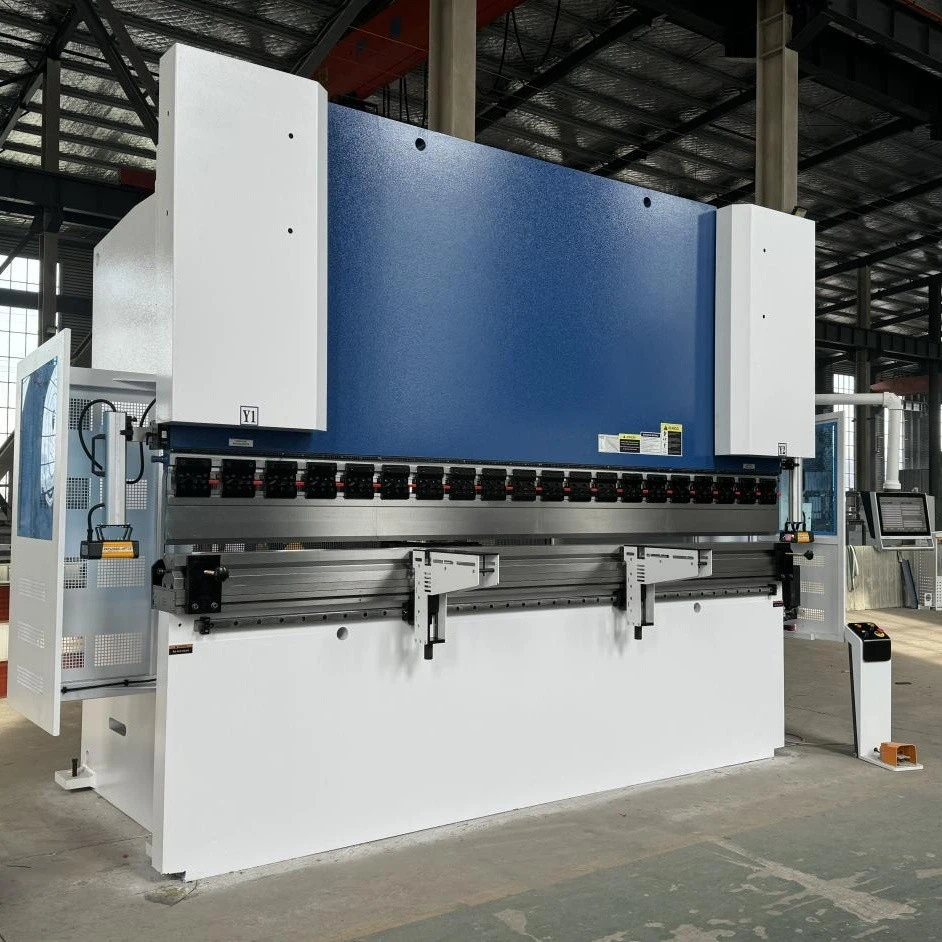
The physical design and structure of the sheet metal machine play a crucial role in determining its maximum sheet width. Machines with a wider frame and stronger support structures are generally capable of handling wider sheets. For example, a large industrial-grade sheet metal machine may have a robust frame and reinforced components to accommodate sheets up to 6 meters or more in width. On the other hand, smaller, more compact machines may be limited to processing sheets of 1 to 2 meters in width.
Tooling and Die Size
The size of the tooling and dies used in the sheet metal machine also affects the maximum sheet width. Tooling and dies need to be large enough to cover the entire width of the sheet being processed. If the tooling is too small, it won't be able to form the sheet properly, leading to uneven bends or other defects. Manufacturers typically design tooling and dies to match the maximum width capacity of their machines. So, when you're considering a machine, make sure to check the specifications of the available tooling and dies.
Hydraulic and Mechanical Capacity
The hydraulic and mechanical systems of the sheet metal machine are responsible for applying the necessary force to bend or cut the sheet metal. The capacity of these systems determines the maximum thickness and width of the sheet that can be processed. A machine with a higher hydraulic or mechanical capacity can handle wider and thicker sheets. For instance, a hydraulic press brake with a high tonnage rating will be able to bend wider sheets of thick gauge metal compared to a machine with a lower tonnage rating.
Control System
The control system of the sheet metal machine also plays a role in determining the maximum sheet width. Advanced control systems allow for precise positioning and movement of the sheet during processing. This is especially important when working with wide sheets, as even small errors in positioning can lead to significant problems. Machines with state-of-the-art control systems are better equipped to handle wider sheets with greater accuracy.
Maximum Sheet Widths for Different Types of Sheet Metal Machines
Now that we've covered the factors that affect the maximum sheet width, let's take a look at the typical maximum widths for different types of sheet metal machines.
CNC Press Brake
A Cnc Press Brake For Sale is a popular choice for bending sheet metal. These machines use a hydraulic or mechanical system to apply force to a punch and die set, which bends the sheet metal into the desired shape. The maximum sheet width that a CNC press brake can handle typically ranges from 1 to 6 meters, depending on the size and capacity of the machine. Larger industrial-grade CNC press brakes can handle sheets up to 6 meters or more in width, while smaller machines may be limited to 1 to 2 meters.
CNC Bending Machine
Cnc Bending Machine are similar to CNC press brakes but are often used for more complex bending operations. These machines can handle a wide range of sheet widths, depending on their design and capacity. Smaller CNC bending machines may be able to process sheets up to 1 meter in width, while larger machines can handle sheets up to 4 or 5 meters in width.
Hydraulic Plate Bending Machine
Hydraulic Plate Bending Machine are used for bending large, thick plates of sheet metal. These machines use a hydraulic system to apply force to the plate, which is bent between a set of rolls. The maximum sheet width that a hydraulic plate bending machine can handle is typically determined by the length of the rolls. Larger machines with longer rolls can handle sheets up to 6 meters or more in width, while smaller machines may be limited to 1 to 2 meters.
Choosing the Right Machine for Your Needs
When choosing a sheet metal machine, it's important to consider your specific needs and requirements. Here are some factors to keep in mind:
Sheet Width Requirements
The first thing you need to consider is the maximum width of the sheets that you'll be working with. Make sure to choose a machine that can handle the widest sheets you'll need to process. If you're not sure what your future sheet width requirements will be, it's a good idea to choose a machine with some extra capacity.
Production Volume
The volume of production you expect to achieve is another important factor to consider. If you're planning to process a large number of sheets on a regular basis, you'll need a machine that can handle high production volumes. Look for machines with fast cycle times and automated features to increase productivity.
Budget
Your budget will also play a role in your decision. Sheet metal machines can vary widely in price, depending on their size, capacity, and features. Make sure to choose a machine that fits within your budget while still meeting your needs.
Technical Support and Training
Finally, it's important to choose a supplier that offers good technical support and training. Sheet metal machines can be complex, and you'll need to make sure that you have the support you need to operate and maintain the machine properly. Look for a supplier that offers comprehensive training programs and has a team of experienced technicians available to assist you.
Conclusion
In conclusion, the maximum width of the sheet that a sheet metal machine can process depends on several factors, including the machine design and structure, tooling and die size, hydraulic and mechanical capacity, and control system. Different types of sheet metal machines have different maximum sheet width capabilities, so it's important to choose the right machine for your specific needs. If you're in the market for a sheet metal machine and have any questions about maximum sheet width or other specifications, don't hesitate to contact us. We're here to help you find the perfect machine for your business.
References
- ASM Handbook, Volume 14B: Metalworking: Sheet Forming.
- Machinery's Handbook, 31st Edition.
- Sheet Metal Fabrication Technology by David A. Bralla.
- Modern Manufacturing Processes by Rajesh Singh.