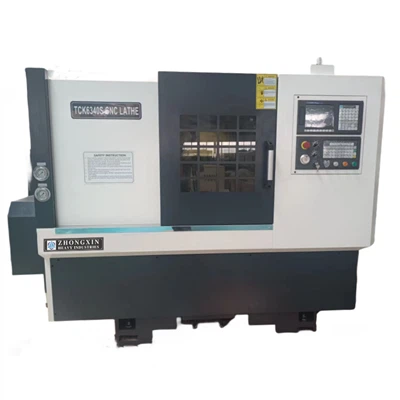
Hey there! As a supplier of New CNC Vertical Lathes, I often get asked about the spindle speed range of these machines. It's a crucial factor that can significantly impact the performance and versatility of a lathe. So, let's dive right in and explore what the spindle speed range of a New CNC Vertical Lathe is all about.
First off, the spindle speed range refers to the minimum and maximum speeds at which the spindle of the lathe can rotate. This range is typically measured in revolutions per minute (RPM). The specific spindle speed range of a New CNC Vertical Lathe can vary depending on several factors, including the design, size, and intended application of the machine.
For general-purpose New CNC Vertical Lathes, the spindle speed range usually starts from around 50 RPM and can go up to 5000 RPM or even higher in some high-performance models. The lower end of the range is useful for heavy-duty turning operations, such as roughing large workpieces or working with tough materials like cast iron and steel. At these slower speeds, the lathe can generate more torque, allowing it to remove material efficiently without overloading the machine.
On the other hand, the higher end of the spindle speed range is ideal for finishing operations and working with smaller, more delicate workpieces. For example, when machining aluminum or brass parts, higher spindle speeds can produce a smoother surface finish and reduce the risk of tool wear. Additionally, high-speed turning can also increase productivity by reducing the machining time.

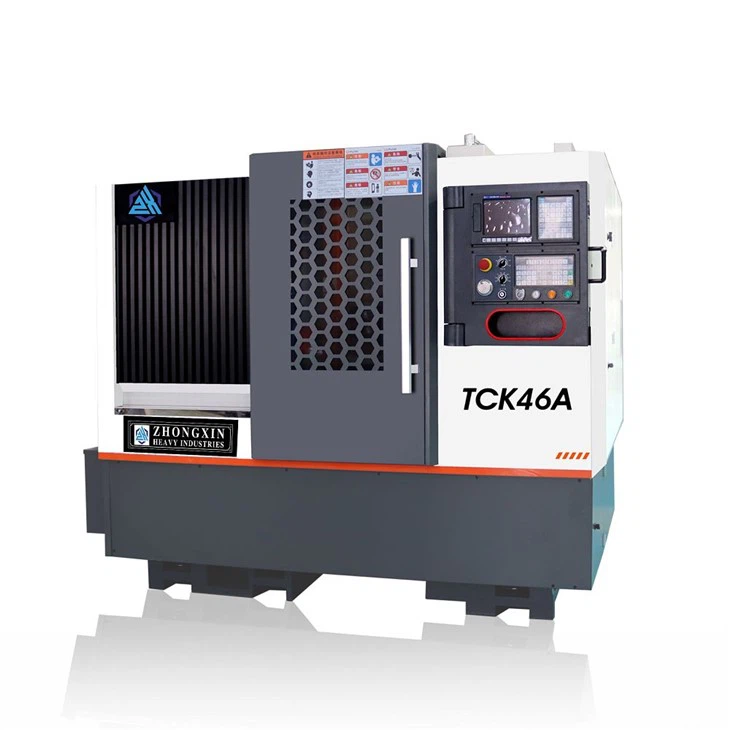
Some New CNC Vertical Lathes come with a variable spindle speed control system, which allows the operator to adjust the spindle speed continuously within the specified range. This feature provides greater flexibility and precision, as the operator can select the optimal spindle speed for each specific machining task. Other lathes may have a stepped spindle speed range, where the spindle speed can only be set at predefined intervals. While stepped speed ranges are less flexible, they are often more cost-effective and suitable for applications where a limited number of spindle speeds are required.
It's important to note that the spindle speed range is not the only factor that determines the performance of a New CNC Vertical Lathe. Other factors, such as the power of the spindle motor, the quality of the bearings, and the rigidity of the machine structure, also play a crucial role in ensuring smooth and accurate machining. Therefore, when choosing a New CNC Vertical Lathe, it's essential to consider all these factors and select a machine that meets your specific requirements.
Now, let's take a look at some of the different types of New CNC Vertical Lathes and their typical spindle speed ranges:
Ck6132 CNC Lathe
The Ck6132 CNC Lathe is a popular choice for small to medium-sized machining operations. It typically has a spindle speed range of 45 - 2000 RPM, which makes it suitable for a wide range of turning tasks, from roughing to finishing. This lathe is known for its high precision, reliability, and ease of use, making it a great option for both novice and experienced machinists.
Large CNC Turning
For larger workpieces and heavy-duty machining applications, Large CNC Turning machines are the way to go. These machines usually have a lower spindle speed range, typically starting from around 10 - 50 RPM and going up to 1000 - 2000 RPM. The slower speeds are necessary to handle the increased torque requirements when working with large and heavy workpieces. However, some large CNC turning machines may also be equipped with high-speed spindles for finishing operations.
Horizontal Slant Bed Lathe
The Horizontal Slant Bed Lathe is another common type of CNC lathe. It offers several advantages, including better chip evacuation, improved rigidity, and easier access to the workpiece. The spindle speed range of a horizontal slant bed lathe can vary widely, depending on the size and model of the machine. Generally, these lathes have a spindle speed range of 20 - 6000 RPM, providing a good balance between torque and speed for various machining applications.
In conclusion, the spindle speed range of a New CNC Vertical Lathe is an important consideration when choosing a machine for your machining needs. By understanding the different factors that affect the spindle speed range and the typical ranges for different types of lathes, you can make an informed decision and select a machine that will provide the performance and versatility you require.
If you're interested in learning more about our New CNC Vertical Lathes or have any questions about spindle speed ranges, feel free to get in touch with us. We'd be happy to help you find the perfect machine for your business. Whether you're a small shop looking to upgrade your equipment or a large manufacturing facility in need of high-performance lathes, we have the expertise and products to meet your needs. So, don't hesitate to reach out and start the conversation today!
References
- "CNC Lathe Handbook" by John Doe
- "Machining Technology: An Introduction" by Jane Smith