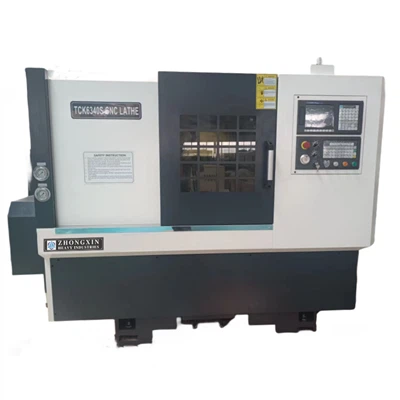
Hey there! I'm a supplier of New Vertical Lathes, and today I wanna talk about how to adjust the cutting speed according to different materials. It's a crucial aspect when it comes to using a lathe, and getting it right can make a huge difference in the quality of your work and the lifespan of your tools.
Why Adjusting Cutting Speed Matters
First off, let's understand why adjusting the cutting speed is so important. Different materials have different properties, like hardness, toughness, and heat conductivity. If you use the wrong cutting speed, you might end up with a bunch of problems. For example, if the speed is too high, the tool can overheat and wear out quickly. On the other hand, if the speed is too low, it can lead to poor surface finish and longer machining times.

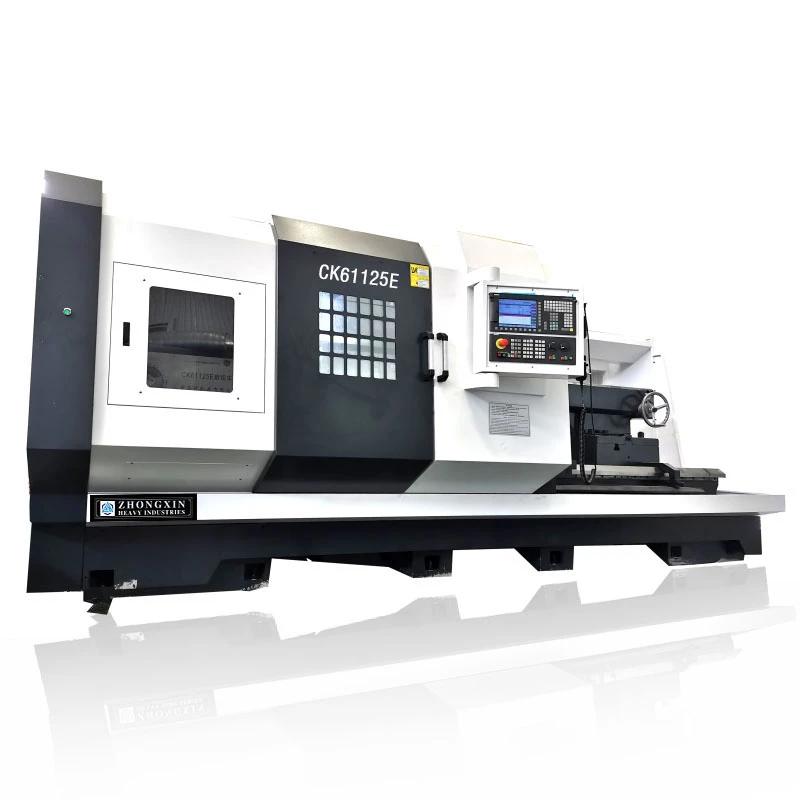
Adjusting for Soft Materials
Let's start with soft materials like aluminum. Aluminum is pretty easy to machine, but it can also be a bit tricky because it tends to stick to the cutting tool. When working with aluminum, you can generally use a higher cutting speed compared to harder materials. A good starting point for aluminum is around 500 - 1000 surface feet per minute (SFM).
One thing to keep in mind is that you need to use a sharp tool. A dull tool can cause the aluminum to build up on the cutting edge, which can lead to a poor surface finish. Also, using a coolant can help reduce the heat and prevent the aluminum from sticking. You can check out our Large Lathe Machine for handling larger aluminum workpieces.
Dealing with Steel
Steel is a common material in machining, and it comes in different types, each with its own requirements for cutting speed. For mild steel, you can start with a cutting speed of around 100 - 300 SFM. As the steel gets harder, like high - carbon steel or alloy steel, you'll need to reduce the cutting speed.
Harder steels generate more heat during cutting, so it's important to use a coolant to keep the tool and the workpiece cool. Our Heavy Duty Metal Lathe is great for handling steel workpieces, as it's built to withstand the forces involved in cutting steel.
Working with Hard Materials
Materials like titanium and hardened steel are much harder to machine. Titanium, for example, has a low thermal conductivity, which means that the heat generated during cutting tends to stay at the cutting edge. This can cause the tool to wear out quickly. When working with titanium, you should use a relatively low cutting speed, around 30 - 60 SFM.
Hardened steel is also a challenge. You'll need to use a very sharp tool and a low cutting speed, usually in the range of 20 - 50 SFM. Our Precision CNC Lathe can provide the accuracy needed for machining these hard materials.
Factors Affecting Cutting Speed Adjustment
It's not just the material that affects the cutting speed. There are other factors too. The type of cutting tool you're using is important. For example, carbide tools can generally handle higher cutting speeds compared to high - speed steel tools. The depth of cut and the feed rate also play a role. A larger depth of cut or a higher feed rate will usually require a lower cutting speed.
How to Adjust the Cutting Speed on a New Vertical Lathe
On our New Vertical Lathes, adjusting the cutting speed is relatively easy. Most of our lathes come with a variable speed drive, which allows you to change the speed within a certain range. You can adjust the speed based on the material you're working with and the tool you're using.
First, you need to calculate the appropriate cutting speed for the material. You can use online calculators or reference tables to get a starting point. Then, you can set the speed on the lathe's control panel. It's always a good idea to start with a lower speed and gradually increase it while monitoring the cutting process.
Tips for Successful Cutting Speed Adjustment
- Do a test cut: Before starting a full - scale machining operation, do a test cut on a scrap piece of the same material. This will allow you to see how the material responds to the cutting speed and make any necessary adjustments.
- Monitor the tool: Keep an eye on the cutting tool for signs of wear. If the tool starts to wear out quickly, it might be a sign that the cutting speed is too high.
- Use the right coolant: Using the right coolant can significantly improve the cutting process. Coolants help reduce heat, prevent chip buildup, and improve the surface finish.
Conclusion
Adjusting the cutting speed according to different materials is a key skill in using a New Vertical Lathe. By understanding the properties of different materials and the factors that affect cutting speed, you can ensure a high - quality machining process. Whether you're working with soft materials like aluminum or hard materials like titanium, our New Vertical Lathes can provide the performance and flexibility you need.
If you're interested in our New Vertical Lathes or have any questions about adjusting cutting speeds, feel free to reach out. We're here to help you make the most of your machining operations. Contact us to start a purchase negotiation and take your machining to the next level.
References
- Machinery's Handbook, 31st Edition
- Cutting Tool Engineering Magazine