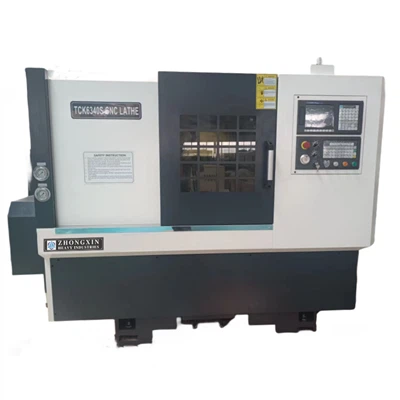
Selecting the right new slant bed lathe for your business is a critical decision that can significantly impact your production efficiency, quality, and overall profitability. As a trusted supplier of new slant bed lathes, I understand the complexities involved in this process. In this blog post, I will guide you through the essential factors to consider when choosing the perfect slant bed lathe for your specific business needs.
1. Determine Your Production Requirements
The first step in choosing the right slant bed lathe is to clearly define your production requirements. Consider the following aspects:
- Part Size and Complexity: Evaluate the size and complexity of the parts you need to machine. If you primarily work on small, intricate components, a Small CNC Lathe with Live Tooling might be the ideal choice. On the other hand, if you deal with large, heavy-duty parts, a Large Lathe Machine would be more suitable.
- Production Volume: Assess your production volume to determine the required machining speed and capacity. High-volume production may demand a lathe with faster spindle speeds and rapid traverse rates to minimize cycle times.
- Material Type: Different materials have varying machining characteristics. Ensure that the lathe you choose is capable of handling the materials you work with, such as steel, aluminum, brass, or exotic alloys.
2. Evaluate the Lathe's Technical Specifications
Once you have a clear understanding of your production requirements, it's time to evaluate the technical specifications of the slant bed lathe. Here are some key specifications to consider:
- Spindle Speed and Power: The spindle speed determines the rotational speed of the workpiece, while the spindle power affects the cutting force and the ability to machine tough materials. Choose a lathe with a spindle speed range and power that aligns with your machining needs.
- Travel and Swing Capacity: The travel capacity refers to the maximum distance the carriage can move along the X and Z axes, while the swing capacity indicates the maximum diameter of the workpiece that can be accommodated. Ensure that the lathe's travel and swing capacity are sufficient for your part sizes.
- Tooling Capacity: Consider the number of tool stations available on the lathe and the type of tooling it can accommodate. A lathe with a larger tooling capacity allows for more complex machining operations and reduces the need for manual tool changes.
- Control System: The control system is the brain of the lathe, responsible for controlling the machine's movements and functions. Look for a lathe with a user-friendly control system that offers advanced features such as conversational programming, tool management, and remote monitoring.
3. Consider the Lathe's Build Quality and Reliability
The build quality and reliability of the slant bed lathe are crucial factors that can affect its performance and longevity. Here are some aspects to consider:
- Machine Structure: A robust and rigid machine structure is essential for maintaining accuracy and stability during machining. Look for a lathe with a heavy-duty cast iron bed and a well-designed frame.
- Components and Parts: Pay attention to the quality of the components and parts used in the lathe, such as the spindle, bearings, ballscrews, and linear guides. High-quality components ensure smooth operation and reduce the risk of breakdowns.
- Manufacturer Reputation: Research the reputation of the lathe manufacturer and read customer reviews and testimonials. A reputable manufacturer with a proven track record is more likely to produce reliable and high-quality machines.
4. Evaluate the Lathe's Safety Features
Safety is of utmost importance in any machining operation. When choosing a slant bed lathe, ensure that it is equipped with the following safety features:
- Enclosure and Guards: A fully enclosed lathe with safety guards helps prevent chips, coolant, and debris from flying out during machining, protecting the operator from potential hazards.
- Emergency Stop Button: An easily accessible emergency stop button allows the operator to quickly stop the machine in case of an emergency.
- Safety Interlocks: Safety interlocks ensure that the machine cannot be operated unless all safety doors and guards are properly closed.
- Spindle Brake: A spindle brake helps stop the spindle quickly in case of an emergency or when changing tools.
5. Consider the Lathe's Cost and Return on Investment (ROI)
The cost of the slant bed lathe is an important consideration, but it should not be the only factor. When evaluating the cost, consider the following:
- Initial Purchase Price: Compare the prices of different lathes from various manufacturers, but also consider the value for money. A higher-priced lathe may offer better performance, reliability, and features, resulting in a higher ROI in the long run.
- Operating Costs: Consider the operating costs of the lathe, such as energy consumption, tooling costs, and maintenance expenses. A lathe with lower operating costs can help reduce your overall production costs.
- Return on Investment (ROI): Calculate the potential ROI of the lathe by considering the increase in production efficiency, quality, and profitability it can bring to your business. A lathe that can help you produce more parts in less time and with higher quality can provide a significant ROI.
6. Seek Expert Advice and Support
Choosing the right slant bed lathe can be a complex process, especially if you are new to the industry. Seek expert advice and support from a qualified sales representative or a machining consultant. They can help you understand your requirements, evaluate different lathes, and make an informed decision.
In addition, consider the level of support offered by the lathe manufacturer. A manufacturer that provides comprehensive training, technical support, and after-sales service can help ensure that you get the most out of your lathe and minimize downtime.
7. Consider the Lathe's Compatibility with Other Equipment
If you already have other machining equipment in your shop, consider the compatibility of the slant bed lathe with your existing equipment. Ensure that the lathe can be easily integrated into your production line and that it can communicate with other machines and systems.
For example, if you use a CNC machining center, look for a lathe that can be programmed using the same control system or that can communicate with your existing CAM software. This can help streamline your production process and improve efficiency.


8. Evaluate the Lathe's Upgradeability and Future Expansion
As your business grows and your production requirements change, you may need to upgrade or expand your lathe. Consider the upgradeability and future expansion options of the slant bed lathe you are considering.
Look for a lathe that allows for easy addition of features and accessories, such as live tooling, C-axis control, or a sub-spindle. This can help you adapt to changing market demands and stay competitive in the industry.
Conclusion
Choosing the right new slant bed lathe for your business is a critical decision that requires careful consideration of your production requirements, technical specifications, build quality, safety features, cost, and support. By following the guidelines outlined in this blog post, you can make an informed decision and select a lathe that meets your specific needs and helps you achieve your business goals.
If you have any questions or need further assistance in choosing the right slant bed lathe for your business, please do not hesitate to contact us. We are a leading supplier of new slant bed lathes and have a team of experts who can provide you with personalized advice and support. Let's start a conversation and explore how we can help you take your business to the next level.
References
- "CNC Machining Handbook" by Mark C. lannone
- "Metalworking Handbook" by Robert A. Lunn
- "Modern Machining Technology" by Robert L. Novak