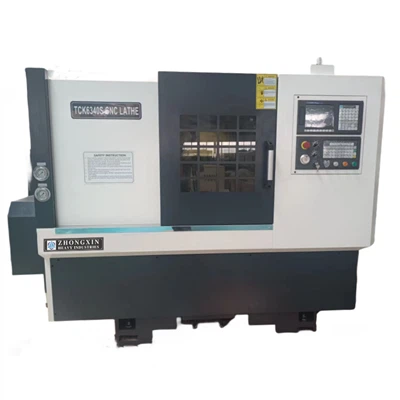
Operating a New Slant Bed Lathe requires a high level of attention to safety to prevent accidents and ensure the well - being of operators. As a supplier of New Slant Bed Lathes, I understand the significance of safety in the operation of these machines. In this blog, I will share some essential tips on how to ensure safety when operating a New Slant Bed Lathe.
Pre - operation Preparation
Machine Inspection
Before starting the lathe, a thorough inspection of the machine is necessary. Check the overall condition of the lathe, including the bed, spindle, tool turret, and control panel. Look for any signs of damage, such as cracks, loose parts, or abnormal wear. Ensure that all safety guards are in place and functioning correctly. Safety guards are designed to protect operators from moving parts, flying chips, and coolant splashes. For example, the spindle guard should be securely closed to prevent accidental contact with the rotating spindle.
Tool and Workpiece Installation
Proper installation of tools and workpieces is crucial for safe operation. When installing cutting tools, make sure they are firmly clamped in the tool holder. Loose tools can cause vibrations, inaccurate machining, and even fly out during operation, posing a serious threat to the operator. Select the appropriate tool for the machining task and ensure that it has the correct geometry and cutting parameters.
When mounting the workpiece, use proper fixtures to secure it on the lathe chuck or faceplate. The workpiece should be centered accurately to avoid imbalance during rotation. An imbalanced workpiece can cause excessive vibrations, which may damage the machine and increase the risk of accidents. For instance, if you are machining a cylindrical workpiece, use a three - jaw or four - jaw chuck to hold it firmly, and check its concentricity using a dial indicator.
Operator Training
Operators should receive comprehensive training before operating the New Slant Bed Lathe. Training should cover machine operation, safety procedures, and emergency response. Operators need to understand how to use the control panel, set machining parameters, and perform basic maintenance tasks. They should also be familiar with the safety features of the lathe, such as emergency stop buttons and safety interlocks.
In addition, training should include practical exercises to allow operators to gain hands - on experience. This will help them develop the necessary skills and confidence to operate the lathe safely. For example, trainees can practice simple turning operations under the supervision of an experienced instructor.
Operation Safety
Personal Protective Equipment (PPE)
Wearing appropriate personal protective equipment is essential when operating a lathe. Operators should wear safety glasses to protect their eyes from flying chips and coolant. Safety glasses with side shields provide additional protection. In addition, operators should wear hearing protection, such as earplugs or earmuffs, as lathes can produce high - intensity noise during operation.
Gloves should be used with caution. While gloves can protect hands from sharp edges and hot workpieces, they can also get caught in moving parts. Therefore, it is important to choose gloves that are suitable for the task and avoid wearing loose - fitting gloves. A dust mask may also be required if the machining process generates a significant amount of dust.
Machine Operation
During operation, operators should follow the correct operating procedures. Keep a safe distance from the rotating parts of the lathe. Do not touch the workpiece, tool, or spindle while the machine is running. Use the appropriate feed and speed settings according to the material being machined and the tool being used. Incorrect feed and speed settings can cause tool breakage, poor surface finish, and even machine damage.
When starting and stopping the lathe, use the control panel buttons or switches properly. Do not use any makeshift methods to start or stop the machine. If an abnormal noise, vibration, or other problem occurs during operation, stop the machine immediately and investigate the cause. For example, if you hear a loud knocking sound, it may indicate a problem with the spindle bearings or a loose part.
Chip Management
Chips generated during machining can be sharp and hot, posing a risk of cuts and burns. Use a chip brush or a chip conveyor to remove chips from the work area regularly. Do not use your hands to remove chips, as this can lead to serious injuries. Make sure the chip disposal area is clean and free of clutter to prevent tripping hazards.


Maintenance and Inspection
Regular Maintenance
Regular maintenance is essential to keep the New Slant Bed Lathe in good working condition and ensure safety. Follow the manufacturer's maintenance schedule, which may include tasks such as lubrication, cleaning, and adjustment. Lubricate the moving parts, such as the spindle bearings, lead screws, and slideways, at the recommended intervals. Proper lubrication reduces friction, wear, and heat generation, extending the service life of the machine.
Clean the lathe regularly to remove chips, coolant, and dirt. Use a suitable cleaning agent and a soft brush to clean the control panel, tool turret, and other components. Check the electrical connections for tightness and signs of damage. Loose electrical connections can cause short circuits and electrical hazards.
Periodic Inspection
In addition to regular maintenance, periodic inspections should be carried out by a qualified technician. The technician can perform a more in - depth inspection of the machine, including checking the accuracy of the positioning system, the performance of the spindle, and the functionality of the safety devices. They can also identify potential problems before they become serious and take appropriate measures to correct them.
Emergency Response
Emergency Stop
All operators should be familiar with the location and operation of the emergency stop button. In case of an emergency, such as a tool breakage, a workpiece flying out, or a fire, press the emergency stop button immediately to stop the machine. After pressing the emergency stop button, follow the emergency response procedures, which may include shutting off the power supply and evacuating the area if necessary.
First - Aid Kit
A well - stocked first - aid kit should be available in the work area. Operators should be trained in basic first - aid procedures, such as treating cuts, burns, and eye injuries. In case of an injury, provide first - aid treatment immediately and seek medical attention if the injury is serious.
Conclusion
Ensuring safety when operating a New Slant Bed Lathe is a multi - faceted task that requires attention to pre - operation preparation, operation safety, maintenance, and emergency response. By following the tips mentioned above, operators can reduce the risk of accidents and create a safe working environment.
If you are interested in our New CNC Lathe, Ck6140 CNC Lathe, or Ck6130 CNC Lathe, please feel free to contact us for further details and to discuss your purchasing needs. We are committed to providing high - quality lathes and excellent after - sales service to ensure your satisfaction.
References
- Manufacturer's operating manual for New Slant Bed Lathe.
- Occupational Safety and Health Administration (OSHA) guidelines for lathe operation.
- Industry standards for machine tool safety.