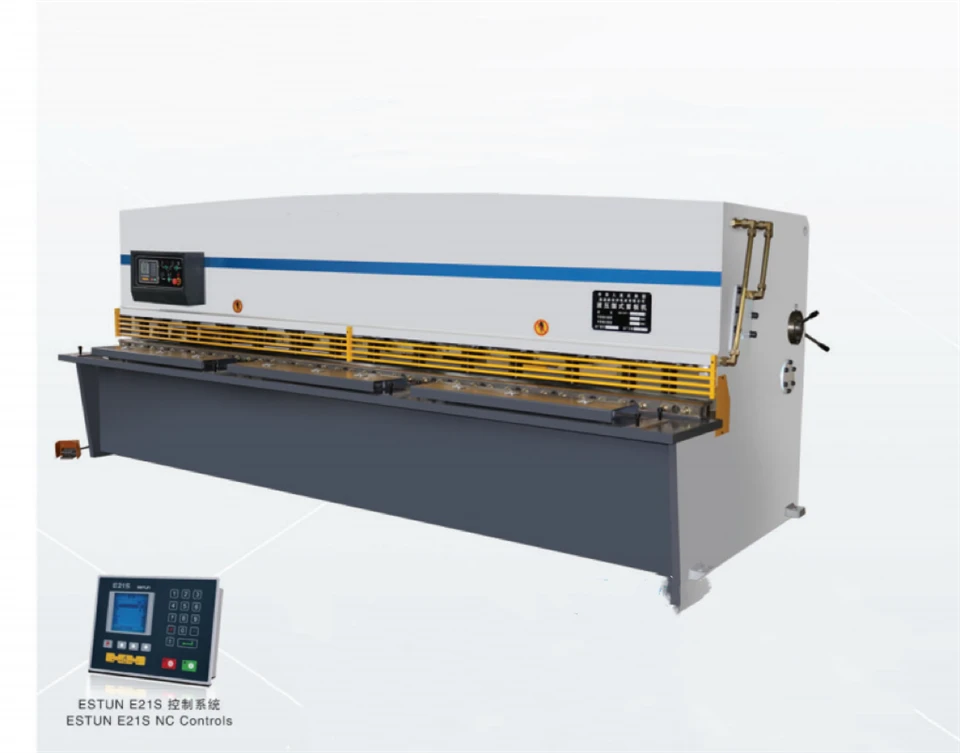
Hey there! As a supplier of shearing machines, I often get asked about the installation requirements for these powerful pieces of equipment. In this blog post, I'll share some key things to keep in mind when you're looking to install a shearing machine.

Location Setup
First off, let's talk about where you should put your shearing machine. You need to pick a spot in your workshop that's flat and stable. A wobbly floor can cause all sorts of problems, like uneven cuts and extra stress on the machine's components. Make sure the floor can handle the weight of the shearing machine, especially if it's a big one.
Also, think about the space around the machine. You'll want enough room to move materials in and out easily. You don't want to be cramped when you're trying to cut large sheets of metal. And leave some space behind the machine for waste disposal or for stacking the cut pieces.
Electrical Requirements
Most shearing machines run on electricity, so getting the electrical setup right is crucial. Check the machine's manual for the specific voltage and amperage requirements. You need to have a dedicated electrical circuit for the shearing machine. Running it on the same circuit as other high - power equipment can lead to power surges and tripped breakers.
It's also a good idea to install a proper grounding system. This helps prevent electrical shocks and protects the machine from electrical damage. If you're not confident about handling the electrical work, it's best to hire a professional electrician.
Hydraulic System (if applicable)
Many modern shearing machines, like the Hydraulic Shearing Machine 2000mm and CNC Hydraulic Shearing Machine, use a hydraulic system. If your machine has one, there are some important installation steps.
First, check the hydraulic oil level. The machine should come with instructions on the type of oil to use and the correct level. You'll also need to make sure the hydraulic hoses are properly connected and tightened. Any leaks in the hydraulic system can cause a loss of pressure and affect the machine's performance.
The hydraulic pump needs to be installed in a well - ventilated area to prevent overheating. And don't forget to check the filters regularly. Clogged filters can reduce the efficiency of the hydraulic system and lead to premature wear.
Alignment and Calibration
Once the shearing machine is in place, you need to make sure it's properly aligned. This includes aligning the blades. Misaligned blades can result in poor - quality cuts, uneven edges, and can even damage the blades themselves.
Use the alignment tools provided with the machine to adjust the position of the blades. You may also need to calibrate the cutting angle. Some shearing machines allow you to adjust the cutting angle to suit different materials and cutting requirements. Make sure to follow the calibration procedures in the manual carefully.
Safety Measures
Safety should always be a top priority when installing a shearing machine. Install safety guards around the moving parts of the machine, such as the blades and the hydraulic cylinders. These guards help prevent accidental contact and reduce the risk of injuries.
You should also install an emergency stop button within easy reach of the operator. This allows the operator to quickly shut down the machine in case of an emergency. And make sure all the safety sensors on the machine are working properly. These sensors can detect things like improper material placement or a malfunction and stop the machine automatically.
Training and Documentation
Before you start using the shearing machine, make sure the operators are properly trained. They should know how to operate the machine safely, how to perform basic maintenance, and what to do in case of a problem.
Keep all the documentation related to the machine, including the installation manual, maintenance guide, and safety instructions, in a safe and easily accessible place. This will come in handy if you ever need to refer to them.
Maintenance Plan
Once the shearing machine is installed and running, you need to have a regular maintenance plan. This includes things like lubricating the moving parts, checking the blade sharpness, and inspecting the hydraulic system (if applicable).
Regular maintenance not only keeps the machine running smoothly but also extends its lifespan. It can also help you avoid costly breakdowns and repairs in the long run.
Conclusion
Installing a shearing machine is a big task, but if you follow these requirements, you'll be on the right track. Remember, a properly installed and maintained shearing machine can be a valuable asset to your business, helping you produce high - quality cuts efficiently.
If you're interested in purchasing a shearing machine or have any questions about the installation process, don't hesitate to reach out. We're here to help you every step of the way, from choosing the right machine to getting it up and running in your workshop.
References
- Manufacturer's installation manuals for shearing machines
- Industry safety standards and guidelines