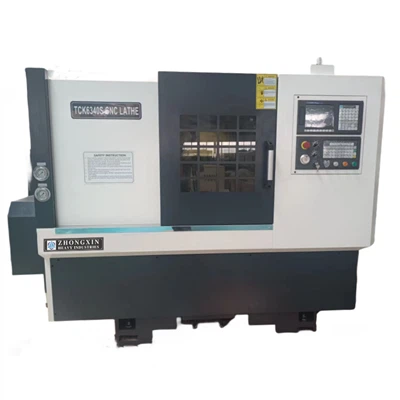
Hey there! As a supplier of Precision CNC Lathes, I often get asked about the weight of a typical Precision CNC Lathe. Well, it's not a one - size - fits - all answer, so let's dive right in and explore this topic.
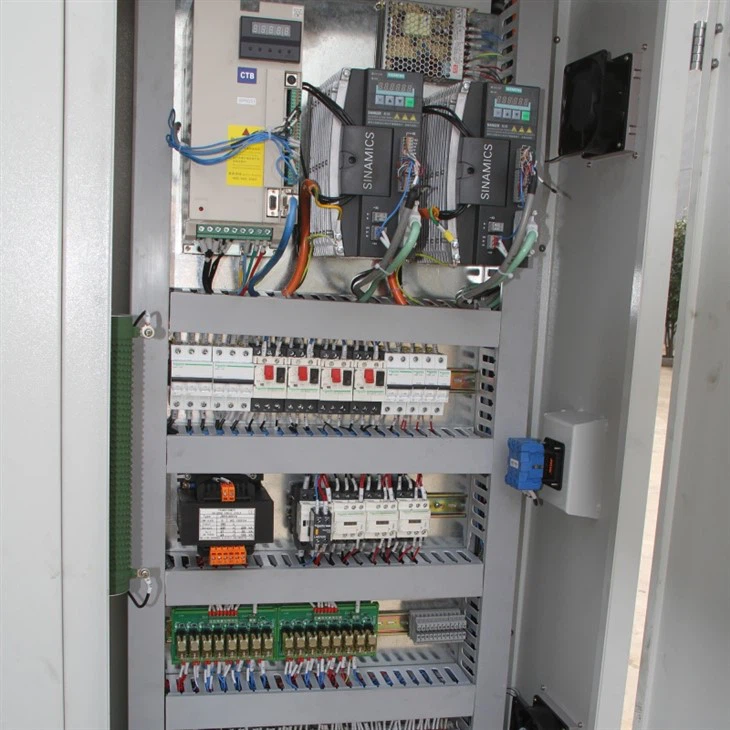
First off, what makes up the weight of a Precision CNC Lathe? A CNC lathe is a complex piece of machinery. It consists of a bed, which is the base structure that provides stability. Then there's the headstock, which houses the spindle and all the gears needed to drive it. The carriage, which moves along the bed and holds the cutting tools, also adds to the weight. And let's not forget about the control panel and other electronic components.
The weight of a Precision CNC Lathe can vary widely depending on its size and capabilities. Smaller, benchtop models are designed for light - duty tasks and are relatively lightweight. These can weigh anywhere from around 500 pounds (about 227 kilograms) to 1,500 pounds (around 680 kilograms). They're great for small workshops, hobbyists, or for prototyping small parts. For instance, if you're a jeweler looking to create intricate pieces, a small benchtop Precision CNC Lathe could be your go - to tool.
On the other hand, industrial - grade Precision CNC Lathes are much heavier. These are built to handle large - scale production and heavy - duty machining. A medium - sized industrial CNC lathe can weigh between 3,000 pounds (about 1361 kilograms) and 6,000 pounds (around 2722 kilograms). These machines are capable of cutting through thick metals and producing high - volume batches of parts with precision.
For the really big players in the industry, large - scale, heavy - duty Precision CNC Lathes can tip the scales at over 10,000 pounds (about 4536 kilograms) or even more. These behemoths are used in industries like aerospace, automotive, and heavy machinery manufacturing. They're designed to handle extremely large workpieces and perform complex machining operations with accuracy.

Why does the weight matter? Well, weight is directly related to stability. A heavier lathe is generally more stable during operation. When the cutting tools are removing material from a workpiece, there are significant forces at play. A stable machine is less likely to vibrate, which means better surface finish on the parts being produced and higher precision in the machining process.
Another factor to consider is installation. Heavier lathes require more robust foundations. You can't just plop a 10,000 - pound lathe on a regular factory floor. Specialized foundations need to be built to support the weight and prevent any movement or settling that could affect the machine's performance.
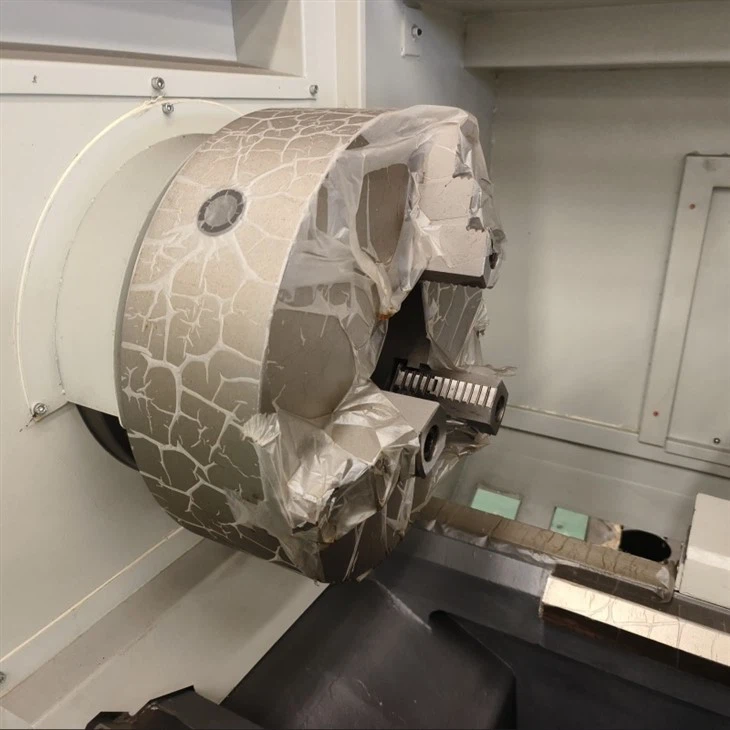
Transportation is also a challenge with heavier machines. Moving a large Precision CNC Lathe requires specialized equipment like cranes and flatbed trucks. It's not as simple as loading it into a van and driving it to the destination. And let's not forget about the cost associated with transportation, which can be quite significant for heavy machinery.
Now, as a supplier, I understand that different customers have different needs. That's why we offer a wide range of Precision CNC Lathes to suit various applications. If you're interested in exploring some of our product offerings, you can check out our CNC Lathe Chucks, New Slant Bed Lathe, and Heavy Duty Metal Lathe.

When choosing a Precision CNC Lathe, it's important to consider not only the weight but also other factors like the size of the workpieces you'll be machining, the level of precision you need, and your budget. If you're just starting out, a smaller, lighter lathe might be a good option to get your feet wet. But if you're in an established manufacturing business looking to upgrade your equipment, a heavy - duty industrial lathe could be the way to go.
If you have any questions about the weight of our Precision CNC Lathes or any other aspect of our products, don't hesitate to reach out. We're here to help you make the right choice for your business. Whether you're a small - scale workshop or a large - scale manufacturing plant, we have the expertise and the products to meet your needs. So, let's start a conversation and see how we can work together to take your machining operations to the next level.
In conclusion, the weight of a typical Precision CNC Lathe can vary greatly depending on its size and intended use. From lightweight benchtop models to heavy - duty industrial machines, each type has its own advantages and considerations. As a supplier, we're committed to providing you with the best - in - class equipment and support. So, if you're in the market for a Precision CNC Lathe, get in touch with us today and let's discuss your requirements.
References
- "CNC Machining Handbook", Industry Press, 20XX
- "Precision Manufacturing Technology", Academic Publishers, 20XX