Operating a Gap Bed Engine Lathe: A Comprehensive Guide
If you're in the market for a reliable and versatile lathe, you've likely come across the Gap Bed Engine Lathe. As a supplier of these high - quality machines, I'm excited to share this guide on how to operate a Gap Bed Engine Lathe.
Understanding the Gap Bed Engine Lathe
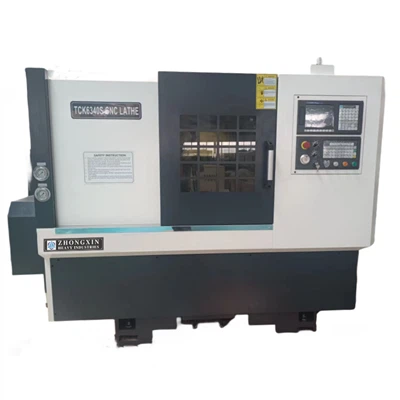
Before you start operating the lathe, it's essential to understand its components and functionality. A Gap Bed Engine Lathe is a type of lathe that features a removable section, or "gap," in the bed. This gap allows for the machining of larger diameter workpieces that would otherwise be restricted by the normal bed size. For instance, our Gap Bed Lathe CS6250C is designed with this gap feature, providing flexibility for different types of turning operations.
The main components of a Gap Bed Engine Lathe include the bed, headstock, tailstock, carriage, and tool post. The bed is the foundation of the lathe, providing a stable base for all moving parts. The headstock houses the spindle, which rotates the workpiece at various speeds. The tailstock is used to support the other end of the workpiece and can be adjusted along the bed. The carriage moves along the bed and holds the cutting tool, which is mounted on the tool post.
Pre - operation Checks
Before powering on the lathe, several pre - operation checks should be carried out. First, visually inspect the machine for any signs of damage or wear. Check the belts, gears, and other moving parts for proper alignment and tension. Ensure that all lubrication points are properly lubricated, as this will reduce friction and prevent premature wear of the components.
Next, check the coolant system if your lathe is equipped with one. The coolant helps to keep the cutting tool cool and prolongs its life. Make sure the coolant level is sufficient and that the coolant pump is working properly.
Verify that the workpiece is securely mounted in the chuck or between the centers. An improperly mounted workpiece can lead to dangerous situations, such as the workpiece flying off the lathe during operation.
Powering On and Setting Up the Lathe
Once all pre - operation checks are complete, it's time to power on the lathe. Most Gap Bed Engine Lathes are equipped with a power switch, usually located on the control panel. Turn on the power and allow the machine to warm up for a few minutes.
Now, it's time to set the spindle speed. The spindle speed is determined by the diameter of the workpiece and the material being machined. For example, when turning a small - diameter workpiece, a higher spindle speed can be used, while larger workpieces require a lower speed to maintain cutting efficiency. Refer to the lathe's manual for the recommended spindle speed settings based on the material type (e.g., steel, aluminum, brass) and workpiece diameter.
The feed rate, which controls how fast the cutting tool moves along the workpiece, also needs to be set. This setting depends on the type of cutting operation and the material. Coarser materials may require a higher feed rate, while finer materials like brass or aluminum may need a slower feed rate.
Installing the Cutting Tool
Selecting the right cutting tool is crucial for a successful turning operation. Different types of cutting tools are available, such as turning tools, facing tools, and boring tools. The choice of tool depends on the operation you're performing.
To install the cutting tool, first, loosen the tool post clamp and insert the cutting tool into the tool holder. Make sure the tool is properly aligned and the cutting edge is at the correct height relative to the center of the workpiece. Tighten the tool post clamp securely to hold the tool in place.
Turning Operations
One of the most common operations on a Gap Bed Engine Lathe is turning. Turning is the process of removing material from the outer diameter of the workpiece. To start turning, position the cutting tool at the end of the workpiece and engage the carriage feed. The carriage will move along the bed, carrying the cutting tool and removing material from the workpiece.
During the turning process, it's important to monitor the cutting operation closely. Check the chip formation to ensure that the cutting parameters (speed, feed, and depth of cut) are correct. If the chips are too long and stringy, it may indicate that the feed rate is too low or the depth of cut is too shallow. On the other hand, if the chips are short and broken, the feed rate may be too high or the depth of cut too deep.
Facing Operations
Facing is another essential operation on a lathe. It involves cutting the end surface of the workpiece to make it flat and perpendicular to the axis. To perform facing, position the cutting tool at the outer edge of the workpiece and engage the cross - slide feed. The cross - slide will move the cutting tool across the end of the workpiece.
When facing, it's important to make sure that the cutting tool is perpendicular to the workpiece surface. This will ensure a smooth and flat finish on the end of the workpiece.
Boring Operations
Boring is used to enlarge existing holes or create internal features in the workpiece. To bore a hole, first, use a drill to create a rough hole in the workpiece. Then, insert a boring tool into the tool post and position it inside the hole. Engage the carriage feed to move the boring tool along the inside of the hole, increasing its diameter.
During boring, pay close attention to the tool alignment and the cutting parameters to avoid over - boring or producing a rough finish inside the hole.


Safety Precautions
Operating a Gap Bed Engine Lathe requires strict adherence to safety precautions. Always wear appropriate personal protective equipment (PPE), including safety glasses, gloves, and a face shield. The spindle and moving parts of the lathe can cause serious injuries, so keep loose clothing, jewelry, and long hair away from the machine.
Never touch the workpiece or the cutting tool while the lathe is in operation. If you need to make any adjustments or touch the machine, first turn off the power and wait for the spindle to come to a complete stop.
In case of an emergency, familiarize yourself with the location of the emergency stop button on the lathe. This button will immediately stop all machine operations and prevent further danger.
Maintenance and Troubleshooting
Regular maintenance is key to keeping your Gap Bed Engine Lathe in good working condition. After each use, clean the machine thoroughly to remove chips and debris. Wipe down the surface of the lathe and lubricate all moving parts as recommended in the manual.
If you encounter any problems with the lathe, such as unusual noises or vibrations, stop the machine immediately and investigate the cause. Refer to the lathe's manual for troubleshooting tips. Some common issues may include belt slippage, loose gears, or a malfunctioning coolant pump. If you're unable to resolve the problem on your own, contact a professional technician.
Contact for Procurement
If you're interested in purchasing a Gap Bed Engine Lathe for your workshop or manufacturing facility, we'd be delighted to connect with you. Our Gap Bed Engine Lathe models, including the Gap Bed Lathe CS6250C, are designed to offer high performance and reliability. We can provide detailed product information, pricing, and assistance with installation and training. Reach out to us to start the procurement process and take your machining capabilities to the next level.
References
- "Lathe Machines: Operation and Maintenance" by Industrial Press Inc.
- "Modern Machining Technology" by Richard P. Krar and Frank G. Paul