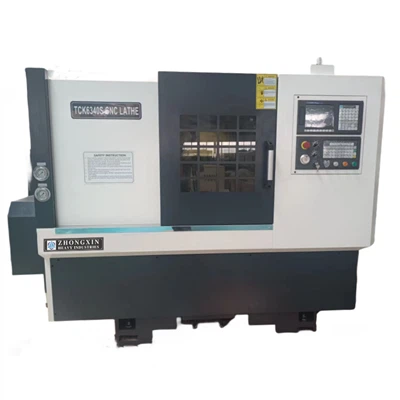
Hey there! As a supplier of gap bed lathes, I've seen my fair share of common problems that users run into. In this blog, I'm gonna share some tips on how to troubleshoot those issues, so you can keep your lathe running smoothly.
1. Issues with Tooling and Cutting
First off, let's talk about tooling and cutting problems. One of the most common issues is a poor surface finish on the workpiece. This could be due to a few things. First, check the toolbit. If it's worn out, it won't cut as cleanly. You can usually tell if a toolbit is worn by looking for dull edges or chipping. Replace it with a new one from your trusted tool supplier.
Another reason for a bad surface finish might be incorrect cutting speed. If the speed is too high, it can cause the tool to wear out quickly and create a rough surface. On the other hand, if the speed is too low, it can lead to chatter and also a poor finish. You can adjust the spindle speed on your Gap Bed Engine Lathe. Just find the right balance based on the material you're cutting and the type of tool you're using.
Chatter is another annoying problem. It shows up as a series of small ridges on the workpiece. Chatter can be caused by loose toolholders or a lack of rigidity in the setup. Make sure your toolholder is tightened securely in the toolpost. Also, check if the workpiece is properly clamped. Sometimes, just a simple adjustment can get rid of chatter.
2. Electrical and Control Problems
Electrical issues can be a real headache. If your lathe won't start at all, the first thing to check is the power supply. Make sure it's plugged in properly and that the circuit breaker or fuse hasn't tripped. If you're using a three - phase power supply, check for any loose connections.
The control panel is another area where problems can occur. If the display is not working or the buttons are unresponsive, it could be a software glitch or a hardware problem. For software glitches, try restarting the lathe. This simple step can often fix minor bugs. If that doesn't work, you might need to contact a professional technician to diagnose and fix the hardware issue.
3. Spindle and Bearing Problems
The spindle is the heart of the lathe, and any problems with it can seriously affect performance. If you notice unusual noises coming from the spindle, it could be a sign of bearing wear. The bearings in the spindle support the rotating shaft, and over time, they can get worn out.
To check the bearings, you can try to feel for any play in the spindle. If there's more movement than normal, it's likely that the bearings need to be replaced. Replacing bearings is a job that's best left to a professional, as it requires specialized tools and knowledge.
Another issue with the spindle could be incorrect alignment. If the spindle is not aligned properly, it can cause uneven cutting and damage to the workpiece. You'll need to use precision measuring tools to check the alignment and make the necessary adjustments.
4. Lubrication and Cooling System Problems
Proper lubrication is essential for the smooth operation of your lathe. If you notice increased friction or overheating in certain parts, it could be due to insufficient lubrication. Check the oil levels in the lubrication system regularly. Different parts of the lathe require different types of oil, so make sure you're using the right one.


The cooling system is also crucial, especially when you're doing heavy - duty machining. If the coolant is not flowing properly, it can cause the cutting tools to overheat and wear out quickly. Check the coolant pump to make sure it's working. Also, check for any clogs in the coolant lines. You can clean the lines by flushing them with a suitable cleaning solution.
5. Belt and Gear Problems
Belt - driven lathes can sometimes have belt problems. If the belts are slipping, it can cause a loss of power and inconsistent cutting. You can usually tell if a belt is slipping by looking for signs of wear or by the screeching noise it makes. Check the tension of the belts. You might need to adjust the tension or even replace the belts if they're too worn.
Gears in the lathe can also experience problems. If you hear a grinding noise when changing gears, it could be due to misaligned gears or worn gear teeth. Check the gearbox for any signs of damage. You may need to open the gearbox and inspect the gears closely. If the gears are damaged, they'll need to be replaced.
6. Safety Precautions During Troubleshooting
Before you start troubleshooting any problems, always make sure to follow safety procedures. Turn off the lathe and unplug it from the power source. This will prevent any accidental starts that could cause serious injury. Wear appropriate safety gear, such as safety glasses and gloves.
If you're working on electrical components, make sure you have the necessary knowledge and experience. If you're not sure, it's best to call in a professional electrician.
7. When to Call for Professional Help
Sometimes, the problems you encounter may be too complex to fix on your own. If you've tried all the troubleshooting steps and the problem still persists, it's time to call in professional help. A trained technician will have the expertise and tools to diagnose and fix the issue accurately.
As a gap bed lathe supplier, we're always here to support our customers. If you're facing problems with our Gap Bed Lathe CS6250C or any other models, feel free to reach out to us for advice and assistance.
If you're in the market for a new gap bed lathe or looking to upgrade your existing one, we're also here to help. Our team can provide you with detailed information about our products, including their features, specifications, and prices. We can also offer customized solutions to meet your specific machining needs. So, don't hesitate to contact us for procurement and further discussions.
References
- "Machinery's Handbook"
- Various industry - specific manuals for gap bed lathes.