






New Vertical Lathe
What is New Vertical Lathe?
A vertical turning lathe (VTL), also known as a vertical boring machine (VBM), is a large machine tool that's used to machine heavy and large workpieces. VTLs are often used in manufacturing and industrial settings and are well-suited for cutting a variety of castings, such as aircraft parts, pump housings, and brake discs.
Why Choose Us
Compliant With Standards
Most of our products comply with CE and EAC standards
OEM and ODM Orders
We also accept OEM and ODM orders and look for agents around the world
Excellent Service
Dedicated to producing higher intelligence, higher quality machine tools, and excellent after-sales service
High Quality Service
Make machines simpler, smarter, and smarter, always online, always with you, always serving you.

A CNC machine tool is a processing machine that utilizes a CNC system to operate the machine tool for processing actions. Unlike ordinary machine tools, CNC machine tools do not need to manually manufacture replacement molds and fixtures, no need for frequent manual adjustment of the machine tool

CNC lathe clamping device, chuck is *, although now there is a pneumatic chuck, but the pneumatic chuck is limited to small pieces of rapid processing, chuck naturally become irreplaceable products.

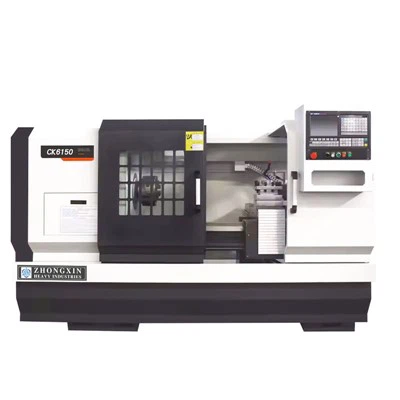
CK6150 CNC lathe Integral arch and bridge type body, one-piece molding structure is stable and rigid, standard equipped with manual tail stock and 250 manual chuck

Frequency conversion step less speed regulation
With servo system
Four position electric turret

CK6132 CNC lathe is mainly used for processing all kinds of shaft and disk parts, can turn all kinds of threads, arcs, cones and internal and external surfaces of rotating bodies, and can meet the speed demand of high-speed chip-cutting of ferrous and non-ferrous metals.

CNC Turning And Milling Center
The workpiece should be clamped with pressure plate, screws or tools. The use of a stream of wrenches are not allowed to add casing, so as not to slip off injuries;

The use of horizontal cnc lathe machine can be said to be very common, in various industries and fields can see its figure. It plays a very important role in the construction of modernization. And with the improvement of people's needs, the requirements for it are also higher and higher. With the development of science and technological progress, the new CNC machine tools were born.
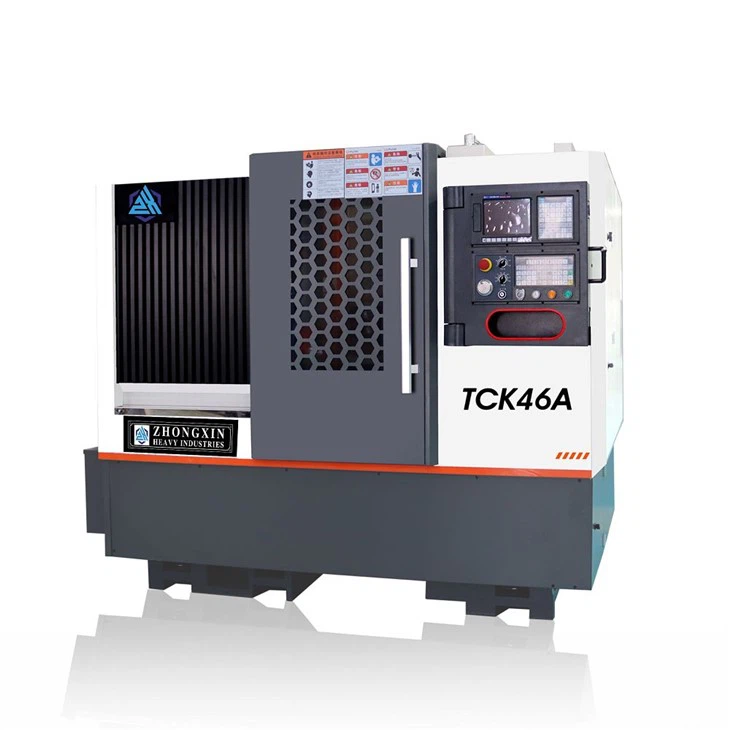
In modern industrial production, all types of lathes are *. Since the bed of horizontal slant bed lathe is inclined and has a large bearing section, it has good rigidity and vibration damping, and can ensure high-precision machining.

This drum type tool magazine structure is simple, more applications, suitable for less capacity of the tool magazine. In order to increase the utilization rate of the tool magazine space.
Increased Efficiency: Vertical turning lathes offer high-speed cutting capabilities and simultaneous multi-axis machining. This allows for the completion of complex operations in a single setup, resulting in improved productivity and reduced cycle times. Manufacturers can achieve faster turnaround times and meet production demands more effectively.
Enhanced Accuracy: Vertical turning lathes are equipped with advanced CNC controls and precise positioning systems. The vertical orientation of the lathe, combined with these features, ensures accurate and repeatable machining.
Cost Savings: Vertical turning lathes can provide significant cost savings for manufacturers. By consolidating multiple machining operations into a single machine, they eliminate the need for separate equipment and setups, reducing capital expenditures. Moreover, this consolidation saves valuable floor space and streamlines workflow, leading to operational efficiency.
Versatility and Flexibility: Vertical turning lathes excel in handling a wide range of machining tasks. Their rotating table and vertical orientation allow for machining large-scale components, cylinders, and complex-shaped parts.
Improved Safety: Vertical turning lathes often incorporate advanced safety features, such as interlocks, emergency stops, and protective enclosures. These safety measures help prevent accidents and protect operators from potential hazards during machine operation.
Features of New Vertical Lathe
Vertical Orientation
Unlike traditional horizontal lathes, vertical turning lathes have a vertically oriented spindle. This design allows for efficient machining of large, heavy workpieces.
Rotating Table
Vertical turning lathes feature a rotating table on which the workpiece is mounted. This rotation enables the lathe to perform turning, boring and facing operations from various angles.
Powerful Cutting Capabilities
With their robust construction and high horsepower, vertical turning lathes can handle heavy-duty cutting tasks. They can quickly and precisely remove large amounts of material, resulting in enhanced productivity.
Automatic Tool Changer
Many vertical turning lathes are equipped with automatic tool changers, allowing seamless tool swapping during machining operations. This feature reduces downtime and increases efficiency.
Applications Of New Vertical Lathe
Aerospace And Aviation
In the aerospace and aviation industry, where safety and precision are of utmost importance, VTLs are indispensable. These machines manufacture critical components like turbine disks, jet engine shafts, landing gear components, and more.
Automotive Manufacturing
The automotive industry demands high-volume production, tight tolerances, and consistent quality. Vertical turning lathes are extensively employed in manufacturing engine components, such as crankshafts, camshafts, and connecting rods.
Oil and Gas Industry
In the oil and gas industry, VTLs are crucial in producing components used in drilling and exploration equipment. These machines manufacture large valves, flanges, and pipe fittings.
Components Of New Vertical Lathe
Spindle box: Also known as the head box, its main task is to pass the rotary motion from the main motor through a series of speed change mechanisms so that the spindle can obtain the required different speeds of forward and reverse rotations, and at the same time the spindle box is separated. Part of the power transmits the motion to the feed box. The spindle in the headstock is a key part of the lathe. The smoothness of the spindle running on the bearing directly affects the processing quality of the workpiece. Once the rotation accuracy of the spindle is reduced, the use value of the machine tool will be reduced.
Feed box: Also known as the tool box, the feed box is equipped with a speed change mechanism for feeding motion. Adjust the speed change mechanism to obtain the required feed amount or pitch, and transmit the motion to the knife through a smooth screw or lead screw. rack for cutting.
Lead screw and smooth screw: It is used to connect the feeding box and the sliding box, and transmit the motion and power of the feeding box to the sliding box, so that the sliding box can obtain longitudinal linear motion. The lead screw is specially used for turning various threads. When turning other surfaces of the workpiece, only the smooth screw is used instead of the lead screw. The students should distinguish the difference between the smooth screw and the lead screw according to the content of the sliding box.
Slide box: It is the control box for the feeding movement of the lathe. It is equipped with a mechanism that converts the rotary motion of the light bar and the lead screw into the linear motion of the tool holder. The longitudinal feed motion and transverse feed motion of the tool holder are realized through the light bar transmission. And rapid movement, through the screw to drive the tool holder to make longitudinal linear motion, so as to turn the thread.
Tool post: It consists of two layers of slides (medium and small slides), saddle and tool rest. It is used to install the turning tool and drive the turning tool to move longitudinally, laterally or obliquely.
Tailstock: It is installed on the bed rail and moves longitudinally along this rail to adjust its working position. The tailstock is mainly used to install the rear center to support long workpieces, and can also install drills, reamers, etc. for hole processing.
Bed: It is a large basic part of the lathe with guide rails (mountain guides and flat guides) with high precision requirements. It is used to support and connect the various parts of the lathe, and to ensure that each part has an accurate relative position during work.
Cooling device: The cooling device pressurizes the cutting fluid in the water tank and sprays it to the cutting area through the cooling water pump to reduce the cutting temperature, wash away the chips, and lubricate the machined surface, so as to improve the service life of the tool and the surface machining quality of the workpiece.
What Does The Maintenance Of New Vertical Lathe
One of the primary considerations when using Vertical lathes is ensuring correct operation. Any improper handling or operation can have detrimental effects on the equipment. While the actual operation of the Vertical lathe is relatively straightforward, it is important to consider the installation and usage environment. The lathe has specific environmental requirements to maintain optimal performance. It is ideal to operate the lathe in an environment with a constant temperature and devoid of electromagnetic interference.
Having trained and experienced personnel to operate and maintain the vertical lathe is crucial. This ensures a better understanding of the equipment's specific usage requirements and facilitates regular maintenance and repairs. Skilled personnel can also take appropriate measures to address any malfunctions during operation in a timely manner, minimizing downtime.
During long-term usage, dust and debris can accumulate on various parts of the Vertical lathe. If left unchecked, these contaminants can enter the electronic control devices and potentially lead to component damage. Establishing a habit of regular cleaning is important to protect the lathe. This not only serves as a form of protection but also promotes better ventilation within the equipment.
Ensuring proper lubrication of the moving parts is essential for smooth and efficient operation. Regularly checking the lubrication system and ensuring an adequate supply of lubricant helps prevent excessive friction and wear. Following the manufacturer's guidelines for lubrication intervals and using recommended lubricants is important.
Regular inspections should be conducted to identify any signs of wear, damage, or misalignment in the components of the vertical lathe. This allows for timely repairs or replacements, preventing further damage to the equipment. It is also crucial to periodically calibrate the lathe's measurement systems to maintain accuracy and precision.
Identifying and replacing worn or damaged parts promptly is essential to ensure optimal performance and avoid further damage to the lathe. Regularly monitoring the condition of critical components such as ball screws, bearings, and belts helps identify areas for potential maintenance or replacement.
Adhering to safety guidelines and precautions during the operation of the vertical lathe is vital. This not only protects the equipment from damage but also promotes a safe working environment for operators and surrounding personnel. Following safety protocols for machine start-up, tool changes, and maintenance activities is crucial to avoid accidents and injuries.
Continuous training and knowledge sharing among the personnel involved in operating and maintaining the vertical lathe can greatly contribute to its longevity. Staying updated with the latest maintenance practices, troubleshooting techniques, and safety protocols ensures that the equipment receives the care it requires.
Certifications


Our Factory
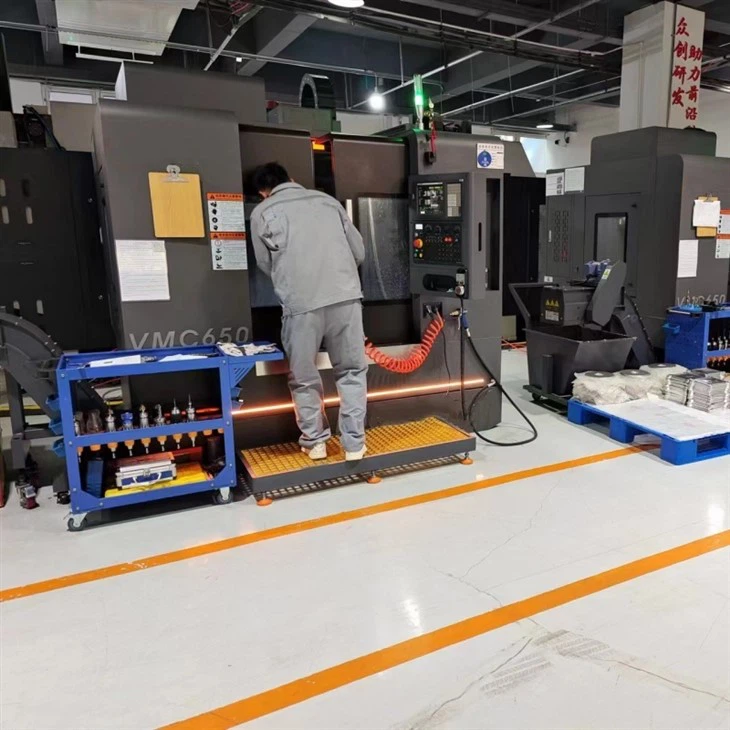
We have a general investment of 300 million yuan and covers an area of more than 120 thousand square meters, has more than one hundred sets of advanced equipment, annual production capacity over 3600 sets of machines, comprising more than thirty-five types and over fifty models. As a professional CNC lathe machine, CNC Veritical machining center, CNC gantry machine, band saw machine, bending machine supplier, We have dedicated ourselves to the field of machine tool manufacturing, we have built a modern quality management system which is in strict accordance with international standards, committed to produce a higher intelligent and higher quality machines and good after-sales services. We have exported our machines to more than 50 countries such as Russia, Belarus, East Europe, Egypt, Algeria, South Africa, Indonesia, Vietnam, Argentina, Mexico. We are also taking OEM & ODM orders and looking for agents all over the world, most of our products have got CE & EAC standards. Welcome to ZHONGXIN and establish a good cooperation and create a bright future together. ZHONGXIN, make the machines more easier, intelligent, and smarter, always online, always with you, and always for you!

FAQ
Hot Tags: new vertical lathe, China new vertical lathe manufacturers, suppliers, factory, vertical machining center for radius gauges, vertical machining center for caliper gauges, vertical machining center for hydroelectric power industry, vertical machining center with tool changer, vertical machining center for chemical industry, vertical machining center for circularity gauges
You Might Also Like




Send Inquiry