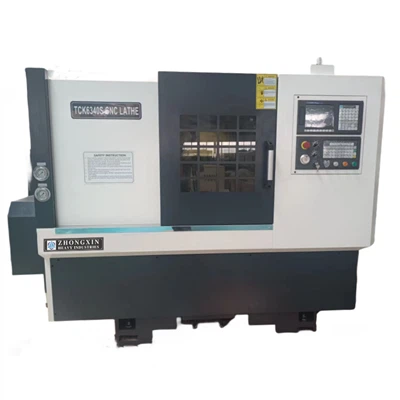
In the manufacturing industry, the lathe machine stands as a cornerstone, playing a crucial role in shaping raw materials into precision components. As a dedicated lathe machine supplier, I understand the significance of enhancing the productivity of these machines. It not only boosts the efficiency of the manufacturing process but also directly impacts the bottom - line of businesses. In this blog, I will share some effective strategies to improve the productivity of a lathe machine.
1. Regular Maintenance and Inspection
One of the fundamental steps in improving the productivity of a lathe machine is regular maintenance. Just like a well - tuned car, a lathe machine that is properly maintained will perform at its best. Regularly check the lubrication system. Lubrication reduces friction between moving parts, which in turn minimizes wear and tear. Insufficient lubrication can lead to overheating and premature failure of components, causing costly downtime.
Inspect the cutting tools frequently. Dull or damaged cutting tools can slow down the machining process, reduce the quality of the finished product, and even cause damage to the workpiece. Replace worn - out tools promptly. Also, examine the spindle, belts, and gears for any signs of wear or misalignment. A misaligned spindle can lead to inaccurate machining and reduced productivity.
2. Operator Training and Skill Enhancement
The operator is at the heart of the lathe machine's productivity. Well - trained operators can handle the machine more efficiently, make better use of its features, and troubleshoot minor issues on the spot. Provide comprehensive training programs for operators, covering both theoretical knowledge and practical skills.
Theoretical training should include an in - depth understanding of the lathe machine's operating principles, safety regulations, and programming basics. Practical training, on the other hand, allows operators to gain hands - on experience in setting up the machine, choosing the right cutting parameters, and performing different types of machining operations.
Encourage operators to enhance their skills continuously. They can attend industry seminars and workshops to learn about the latest technologies and best practices in lathe machining. By investing in operator training, you can significantly improve the overall productivity of the lathe machine.
3. Optimal Cutting Parameters Selection
Selecting the optimal cutting parameters is crucial for improving the productivity of a lathe machine. Cutting parameters include cutting speed, feed rate, and depth of cut. These parameters are interdependent and need to be carefully balanced to achieve the best results.
The cutting speed is determined by the material of the workpiece and the cutting tool. A higher cutting speed can increase the material removal rate, but it also generates more heat, which can damage the cutting tool and the workpiece. Therefore, it is necessary to select an appropriate cutting speed based on the specific materials involved.
The feed rate refers to the distance the cutting tool advances along the workpiece per revolution of the spindle. A higher feed rate can also increase the productivity, but it may affect the surface finish of the workpiece. The depth of cut is the thickness of the material removed in each pass of the cutting tool. A larger depth of cut can reduce the number of passes required, but it also requires more power from the machine and may cause more stress on the cutting tool.
To find the optimal cutting parameters, you can refer to cutting tool manufacturers' recommendations, conduct trial cuts, or use computer - aided manufacturing (CAM) software. These tools can help you determine the best combination of cutting speed, feed rate, and depth of cut for different materials and machining operations.
4. Use of Advanced Technologies
The manufacturing industry is constantly evolving, and new technologies are emerging all the time. As a lathe machine supplier, I am always on the lookout for advanced technologies that can improve the productivity of our machines.
One such technology is computer numerical control (CNC). CNC lathe machines offer several advantages over conventional lathes. They allow for precise control of the cutting process, which can improve the accuracy and repeatability of the machining operations. CNC machines can also be programmed to perform complex machining tasks automatically, reducing the need for manual intervention and increasing productivity.
Another technology is the use of sensors and monitoring systems. These systems can collect real - time data on the performance of the lathe machine, such as temperature, vibration, and power consumption. By analyzing this data, operators can detect potential problems early and take preventive measures, reducing downtime and improving productivity.
5. Workpiece and Tool Management
Efficient workpiece and tool management can also contribute to the productivity of a lathe machine. Organize the workpieces in a systematic way to minimize the time spent on searching for and handling them. Use proper storage racks and bins to keep the workpieces clean and protected.
Tool management is equally important. Keep a well - organized tool crib where all the cutting tools are stored in a logical order. Label the tools clearly so that operators can easily find the tools they need. Implement a tool tracking system to monitor the usage and lifespan of each tool. This can help you plan for tool replacement in advance and avoid unexpected tool failures during the machining process.
6. Process Optimization
Analyze the entire machining process to identify any bottlenecks or inefficiencies. Look for ways to streamline the process, such as reducing the setup time, minimizing the idle time between operations, and improving the workflow.


For example, you can use quick - change tooling systems to reduce the time spent on changing cutting tools. These systems allow for rapid tool changes, which can significantly increase the productivity, especially when performing multiple machining operations on the same workpiece.
Another way to optimize the process is to group similar machining operations together. This can reduce the number of tool changes and setup adjustments, saving time and improving efficiency.
7. Upgrade and Modernization
As technology advances, older lathe machines may become less productive compared to newer models. Consider upgrading or modernizing your existing lathe machines. You can add new features such as CNC controls, automatic tool changers, or advanced monitoring systems to improve the performance of the machines.
Upgrading the machine can also extend its lifespan and reduce maintenance costs in the long run. However, before making any upgrades, it is important to conduct a cost - benefit analysis to ensure that the investment is worthwhile.
Product Recommendations
As a lathe machine supplier, I would like to recommend some of our high - quality products that can further improve your productivity. Our Horizontal Boring Machine is designed for precision boring operations, offering high accuracy and excellent performance. Our Gantry Type Machining Center provides a large working area and high - speed machining capabilities, suitable for large - scale manufacturing. And our Horizontal Slant Bed Lathe offers stable and efficient turning operations, with a compact design that saves space.
Conclusion and Call to Action
Improving the productivity of a lathe machine requires a comprehensive approach that includes regular maintenance, operator training, optimal parameter selection, use of advanced technologies, efficient workpiece and tool management, process optimization, and potential upgrades. By implementing these strategies, you can significantly enhance the performance of your lathe machines and increase the efficiency of your manufacturing operations.
If you are interested in learning more about our lathe machines or how to improve the productivity of your existing machines, please feel free to reach out to us. We are more than happy to discuss your specific needs and provide customized solutions. Let's work together to achieve higher productivity and better results in the manufacturing industry.
References
- Krar, S., & Gill, H. (2009). NC and CNC Machining Technology. Industrial Press.
- Trent, E. M., & Wright, P. K. (2000). Metal Cutting. Butterworth - Heinemann.
- Groover, M. P. (2010). Fundamentals of Modern Manufacturing: Materials, Processes, and Systems. John Wiley & Sons.