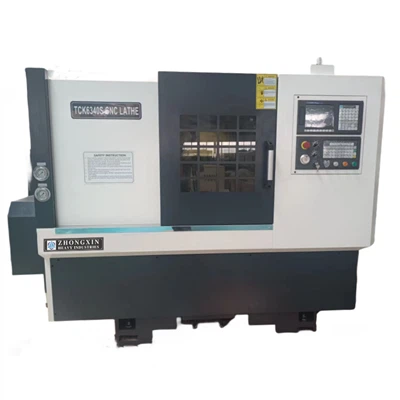
As a supplier of Fanuc Lathes, I understand the critical role that hydraulic pressure plays in the smooth and efficient operation of these precision machines. In this blog, I'll share a comprehensive guide on how to check the hydraulic pressure on a Fanuc Lathe, ensuring that your equipment runs at its best.
Understanding the Importance of Hydraulic Pressure in a Fanuc Lathe
Before delving into the checking process, it's essential to grasp why hydraulic pressure is so crucial for a Fanuc Lathe. Hydraulic systems in these lathes are responsible for various functions, such as clamping the workpiece securely, operating the turret for tool changes, and controlling the tailstock. Proper hydraulic pressure ensures accurate machining, reduces wear and tear on components, and enhances the overall reliability of the lathe.
Tools Required for Checking Hydraulic Pressure
To check the hydraulic pressure on a Fanuc Lathe, you'll need a few essential tools:
- Hydraulic Pressure Gauge: This is the primary tool for measuring the hydraulic pressure. Make sure to choose a gauge that is compatible with the pressure range of your lathe's hydraulic system.
- Wrenches: You'll need appropriate wrenches to connect the pressure gauge to the hydraulic system and to make any necessary adjustments.
- Safety Equipment: Safety glasses and gloves are recommended to protect yourself from any potential hydraulic fluid leaks or spills.
Step-by-Step Guide to Checking Hydraulic Pressure
Step 1: Prepare the Lathe
- Power Off: Before starting any work on the hydraulic system, ensure that the lathe is powered off and unplugged from the electrical supply to prevent any accidental activation.
- Locate the Hydraulic System: Familiarize yourself with the location of the hydraulic pump, reservoir, and pressure ports on your Fanuc Lathe. These components are usually located near the base of the machine.
- Check the Hydraulic Fluid Level: Inspect the hydraulic fluid level in the reservoir. The fluid level should be within the recommended range indicated on the reservoir. If the level is low, add the appropriate type of hydraulic fluid as specified in the lathe's manual.
Step 2: Connect the Pressure Gauge
- Identify the Pressure Test Port: Locate the pressure test port on the hydraulic system. This port is typically marked and is used to connect the pressure gauge.
- Clean the Port: Use a clean cloth to remove any dirt or debris from the pressure test port to prevent contamination when connecting the gauge.
- Connect the Gauge: Using the appropriate wrench, carefully connect the hydraulic pressure gauge to the test port. Make sure the connection is tight to prevent any leaks.
Step 3: Power On the Lathe and Check the Pressure
- Power On the Lathe: Once the pressure gauge is connected, power on the lathe and allow the hydraulic system to pressurize.
- Observe the Pressure Reading: Look at the pressure gauge and note the reading. Compare this reading with the recommended pressure values specified in the lathe's manual. The recommended pressure may vary depending on the specific model and operating conditions of the lathe.
- Check Under Different Conditions: Perform the pressure check under different operating conditions, such as while the turret is moving, the chuck is clamping, or the tailstock is engaged. This will help you ensure that the hydraulic system maintains the proper pressure throughout various functions.
Step 4: Make Adjustments if Necessary
- Locate the Pressure Relief Valve: If the pressure reading is outside the recommended range, locate the pressure relief valve on the hydraulic system. This valve is used to adjust the hydraulic pressure.
- Adjust the Pressure: Using a wrench, carefully turn the adjustment screw on the pressure relief valve to increase or decrease the pressure as needed. Make small adjustments and check the pressure gauge after each adjustment to avoid over - or under - pressurizing the system.
- Verify the Adjustment: Once you've made the adjustment, repeat the pressure check under different operating conditions to ensure that the pressure is now within the recommended range.
Common Issues and Troubleshooting
- Low Pressure: If the hydraulic pressure is consistently low, it could be due to a leak in the hydraulic system, a worn - out pump, or a clogged filter. Inspect the system for any visible leaks, check the pump for proper operation, and replace the filter if necessary.
- High Pressure: High pressure may be caused by a malfunctioning pressure relief valve or a blockage in the hydraulic lines. Check the pressure relief valve for proper adjustment and inspect the lines for any obstructions.
Maintaining the Hydraulic System
Regular maintenance of the hydraulic system is essential to ensure optimal performance and prevent costly breakdowns. Here are some maintenance tips:
- Change the Hydraulic Fluid: Follow the manufacturer's recommendations for changing the hydraulic fluid at regular intervals. Old or contaminated fluid can lead to poor system performance.
- Inspect the Hoses and Fittings: Periodically check the hydraulic hoses and fittings for any signs of wear, leaks, or damage. Replace any worn or damaged components promptly.
- Clean the Filter: Clean or replace the hydraulic filter as recommended to prevent dirt and debris from entering the system.
Conclusion
Checking the hydraulic pressure on a Fanuc Lathe is a critical maintenance task that ensures the machine's accuracy, reliability, and longevity. By following the steps outlined in this guide and performing regular maintenance, you can keep your Fanuc Lathe running smoothly and efficiently.


If you're in the market for a high - quality lathe, we offer a range of options, including the New Slant Bed Lathe, Horizontal Slant Bed Lathe, and New CNC Lathe. Our lathes are designed with the latest technology and built to meet the highest standards of quality. If you're interested in learning more about our products or have any questions regarding hydraulic pressure checks or other maintenance topics, feel free to contact us for a procurement discussion.
References
- Fanuc Lathe Operator's Manual
- Hydraulic System Maintenance Guides