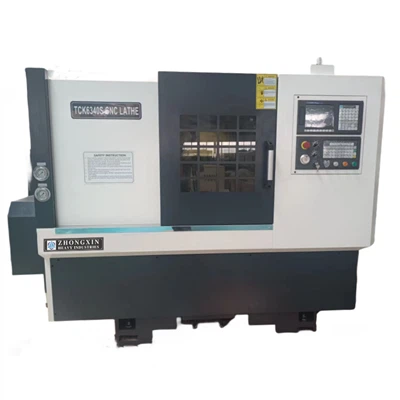
As a supplier of Heavy Duty Metal Lathes, I understand the importance of proper maintenance and cleaning for these robust machines. A well - maintained heavy - duty metal lathe not only ensures high - quality machining but also extends the machine's lifespan. In this blog, I'll share the best way to clean a heavy - duty metal lathe.
Pre - cleaning Preparation
Before starting the cleaning process, it's crucial to take some safety precautions. First, power off the lathe and unplug it from the electrical source to prevent any accidental start - up. This step is non - negotiable as it protects you from potential electrical hazards.
Next, gather all the necessary cleaning tools and supplies. You'll need a variety of brushes, such as wire brushes for removing stubborn debris and soft - bristle brushes for more delicate parts. A vacuum cleaner with a narrow nozzle attachment can be extremely useful for sucking up loose chips and dust. Additionally, prepare a suitable cleaning solvent. It's important to choose a solvent that is compatible with the lathe's materials and won't cause any damage. For example, some solvents may be too harsh for certain types of coatings or seals.


Cleaning the Exterior
The exterior of the heavy - duty metal lathe is often the first area to accumulate dirt, grease, and metal chips. Start by using a dry brush to sweep away any large chips and debris. This initial sweep helps to prevent scratching the surface when you move on to more detailed cleaning.
After removing the large debris, use a vacuum cleaner to suck up the remaining dust and small chips. Pay special attention to the corners, crevices, and any areas where chips tend to accumulate, such as around the chuck and the tool rest.
Once the loose debris is removed, dampen a soft cloth with the cleaning solvent. Wipe down the entire exterior surface of the lathe, including the headstock, tailstock, bed, and carriage. Be careful not to let the solvent drip into any openings or moving parts. If there are stubborn grease stains, you may need to apply a little more pressure or let the solvent sit on the stain for a few minutes before wiping it away.
Cleaning the Chuck
The chuck is a critical part of the lathe, and it needs to be kept clean to ensure proper gripping of the workpiece. Begin by removing any collets or jaws from the chuck. Inspect them for damage or excessive wear. If any parts are damaged, they should be replaced immediately.
Use a wire brush to clean the inside of the chuck jaws and the chuck body. This will remove any built - up chips, dirt, and grease. After brushing, use a vacuum cleaner to suck out the debris. Then, apply a small amount of lubricant to the moving parts of the chuck jaws to ensure smooth operation.
Cleaning the Spindle
The spindle is the heart of the lathe, and its proper functioning is essential for accurate machining. Start by removing any debris from the spindle nose using a soft brush. Be very careful not to scratch the spindle surface, as even a small scratch can affect the accuracy of the machine.
Next, use a cleaning solvent and a lint - free cloth to clean the spindle. Gently wipe the spindle surface to remove any grease or dirt. If there are any stubborn deposits, you can use a specialized spindle cleaner, but make sure to follow the manufacturer's instructions carefully.
Cleaning the Tool Rest and Carriage
The tool rest and carriage are constantly in contact with the workpiece and cutting tools, so they can accumulate a significant amount of debris. Use a brush to remove any chips and dirt from the tool rest. Then, clean it with a damp cloth and the cleaning solvent.
For the carriage, start by moving it along the bed to expose all areas for cleaning. Use a brush to remove the debris, and then vacuum the remaining dust. Pay special attention to the ways and the lead screw. These parts need to be kept clean and well - lubricated to ensure smooth movement of the carriage.
Cleaning the Electrical Components
Although the electrical components of the lathe should be cleaned with extra caution, it's still important to keep them free from dust and debris. Before cleaning, make sure the lathe is completely powered off and unplugged.
Use a soft, dry brush to gently remove any dust from the electrical panels, switches, and connectors. Avoid using any liquid cleaners on the electrical components, as this can cause short - circuits or other electrical problems. If there are any signs of corrosion on the connectors, you can use a specialized electrical contact cleaner, but again, follow the manufacturer's instructions carefully.
Lubrication After Cleaning
After cleaning the heavy - duty metal lathe, it's time to lubricate the moving parts. Lubrication is crucial for reducing friction, preventing wear, and ensuring smooth operation of the machine. Refer to the lathe's manual for the recommended lubricants and lubrication points.
Apply the lubricant to the ways, lead screw, spindle bearings, and other moving parts as specified in the manual. Make sure to use the correct amount of lubricant. Too little lubrication can lead to increased wear, while too much can attract dirt and debris.
Regular Maintenance Schedule
To keep your heavy - duty metal lathe in optimal condition, it's important to establish a regular maintenance and cleaning schedule. A daily cleaning routine can include removing chips and debris from the work area and giving the lathe a quick visual inspection.
A weekly cleaning can involve a more thorough cleaning of the exterior, chuck, and tool rest. Monthly maintenance can include cleaning the spindle, carriage, and electrical components, as well as checking the lubrication levels.
By following a regular maintenance schedule, you can prevent major problems and ensure the long - term performance of your lathe.
Our Product Range
As a leading supplier of Heavy Duty Metal Lathes, we offer a wide range of high - quality lathes to meet your machining needs. Our Dual Spindle CNC Lathe is designed for high - precision and high - efficiency machining. It features two spindles that can work simultaneously, significantly increasing productivity.
The Horizontal Turning Lathe in our product line is known for its stability and reliability. It is suitable for a variety of turning operations, from simple to complex.
If you need a lathe for ultra - precise machining, our Precision CNC Lathe is the perfect choice. It is equipped with advanced control systems and high - quality components to ensure the highest level of accuracy.
Contact Us for Purchase and Consultation
If you are interested in our heavy - duty metal lathes or have any questions about lathe cleaning and maintenance, we encourage you to contact us. Our team of experts is ready to provide you with detailed information and assist you in making the right choice for your machining requirements.
References
- "Metalworking Machinery Handbook" - A comprehensive guide to metalworking machinery, including lathes, and their maintenance.
- Manufacturer's manuals of heavy - duty metal lathes, which provide specific cleaning and maintenance instructions for each model.