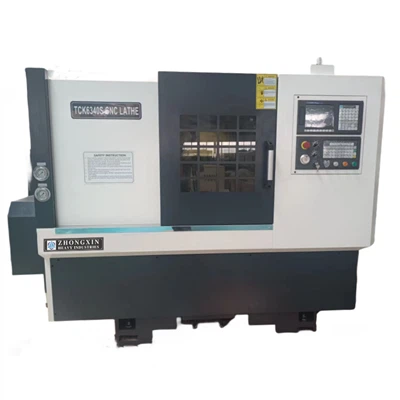
The bed structure of a Vmc (Vertical Machining Center) Lathe is a fundamental component that significantly influences the machine's performance, precision, and durability. As a reputable Vmc Lathe supplier, we understand the importance of a well - designed bed structure and its impact on the overall functionality of the lathe.
The Role of the Bed in a Vmc Lathe
The bed of a Vmc Lathe serves as the foundation upon which all other components are mounted. It provides a stable platform for the spindle, tool turret, and other moving parts. The primary functions of the bed include supporting the weight of the workpiece and the cutting forces generated during machining operations. A sturdy bed structure helps to minimize vibrations, which is crucial for achieving high - precision machining.
Types of Bed Structures in Vmc Lathes
1. Flat Bed Structure
The flat bed structure is one of the most common types in Vmc Lathes. It features a flat surface on which the carriage and other components move. This design offers several advantages. Firstly, it provides excellent stability due to its low center of gravity. The flat surface allows for easy access to the workpiece, making it convenient for loading and unloading. Additionally, the flat bed structure is relatively easy to manufacture, which can result in cost - effective solutions for customers.
However, there are also some limitations. The flat bed may be more prone to collecting chips and coolant, which can potentially affect the accuracy of the machine over time. Regular maintenance is required to keep the bed clean and free from debris.
2. Inclined Bed Structure
Inclined bed Vmc Lathes have a bed that is tilted at an angle, typically between 30 and 60 degrees. This design offers several benefits over the flat bed structure. One of the main advantages is improved chip evacuation. The inclined surface allows chips to fall away from the machining area more easily, reducing the risk of chip accumulation and potential damage to the workpiece or the machine.
In addition, the inclined bed design can enhance the rigidity of the machine. The angled structure distributes the cutting forces more evenly, resulting in better stability during high - speed machining operations. This can lead to improved surface finish and higher precision in the final product.
3. Slant Bed Structure
The slant bed structure is similar to the inclined bed, but with a more gradual slope. It combines the advantages of both the flat and inclined bed designs. The slant bed provides good chip evacuation while still maintaining a relatively low center of gravity, which can contribute to overall stability. This type of bed structure is often used in high - performance Vmc Lathes, especially those designed for precision machining applications.
Material Selection for the Bed
The choice of material for the bed is crucial as it directly affects the machine's performance and longevity. The most commonly used materials for Vmc Lathe beds are cast iron and steel.
1. Cast Iron
Cast iron is a popular choice for bed construction due to its excellent damping properties. It can effectively absorb vibrations generated during machining, which helps to reduce noise and improve the surface finish of the workpiece. Cast iron also has good thermal stability, meaning it can maintain its shape and dimensions even under varying temperature conditions.
Another advantage of cast iron is its high wear resistance. The bed is subject to constant friction from the moving components, and cast iron can withstand this wear over a long period of time. However, cast iron is relatively heavy, which can increase the overall weight of the machine.
2. Steel
Steel is another option for bed construction. It offers high strength and rigidity, making it suitable for heavy - duty machining applications. Steel beds can withstand higher cutting forces without deforming, which is essential for achieving high - precision results.
Compared to cast iron, steel is lighter, which can result in a more agile machine. Additionally, steel can be heat - treated to improve its hardness and wear resistance. However, steel has lower damping properties than cast iron, which means it may transmit more vibrations during machining.
Impact of Bed Structure on Machining Performance
1. Precision
The bed structure plays a key role in determining the precision of the Vmc Lathe. A stable and rigid bed can minimize the deflection of the machine components under cutting forces, ensuring that the tool moves accurately along the desired path. This is particularly important for applications that require high - precision machining, such as aerospace and medical device manufacturing.
For example, in a high - precision Precision CNC Lathe, a well - designed bed structure can help to achieve micron - level accuracy in the finished product.
2. Surface Finish
The quality of the surface finish of the machined workpiece is also influenced by the bed structure. A stable bed reduces vibrations, which can lead to a smoother cutting process. This results in a better surface finish, with fewer tool marks and burrs.
In a Fanuc Lathe, which is known for its high - performance capabilities, the bed structure is carefully engineered to ensure optimal surface finish in various machining operations.
3. Productivity
The bed structure can also have an impact on the productivity of the Vmc Lathe. A well - designed bed that allows for efficient chip evacuation and easy workpiece handling can reduce the time required for setup and machining. For example, the inclined or slant bed designs can significantly improve chip removal, which can lead to shorter cycle times and increased throughput.


In a New Vertical Lathe, the innovative bed structure is designed to enhance productivity by providing a more efficient working environment.
Considerations for Choosing the Right Bed Structure
When selecting a Vmc Lathe, customers should consider several factors related to the bed structure.
1. Machining Requirements
The type of machining operations that will be performed is a crucial consideration. For heavy - duty machining with high cutting forces, a more rigid bed structure, such as an inclined or slant bed, may be preferred. On the other hand, if the machining is mainly for light - duty applications and cost is a major concern, a flat bed structure may be a suitable option.
2. Precision Requirements
If high precision is required, a bed structure that can minimize vibrations and provide stable support is essential. Inclined and slant bed designs are often better choices for precision machining, as they offer improved rigidity and chip evacuation.
3. Budget
Budget is also an important factor. Cast iron beds are generally more cost - effective, while steel beds may be more expensive due to their higher strength and performance characteristics. Customers should balance their budget with their specific requirements to make the most appropriate choice.
Contact Us for Your Vmc Lathe Needs
As a leading Vmc Lathe supplier, we offer a wide range of lathes with different bed structures to meet the diverse needs of our customers. Whether you are looking for a flat bed, inclined bed, or slant bed Vmc Lathe, we have the expertise and the products to provide you with the best solutions.
If you are interested in learning more about our Vmc Lathes or would like to discuss your specific requirements, please feel free to contact us. Our team of experts is ready to assist you in making the right choice for your machining operations.
References
- "Machine Tool Design: Metal Cutting Mechanics, Machine Tool Vibrations, and CNC Design" by S. K. Hajra Choudhury and A. K. Ghosh.
- "Manufacturing Engineering and Technology" by S. Kalpakjian and S. R. Schmid.
- Technical literature from leading Vmc Lathe manufacturers.